When industrial machinery is operating continuously, operators need a simple way to recognize important changes in equipment status. A warning that is difficult to hear or see may be missed, especially in a busy production environment. For this reason, control-panel signaling components are an important part of many electrical systems.
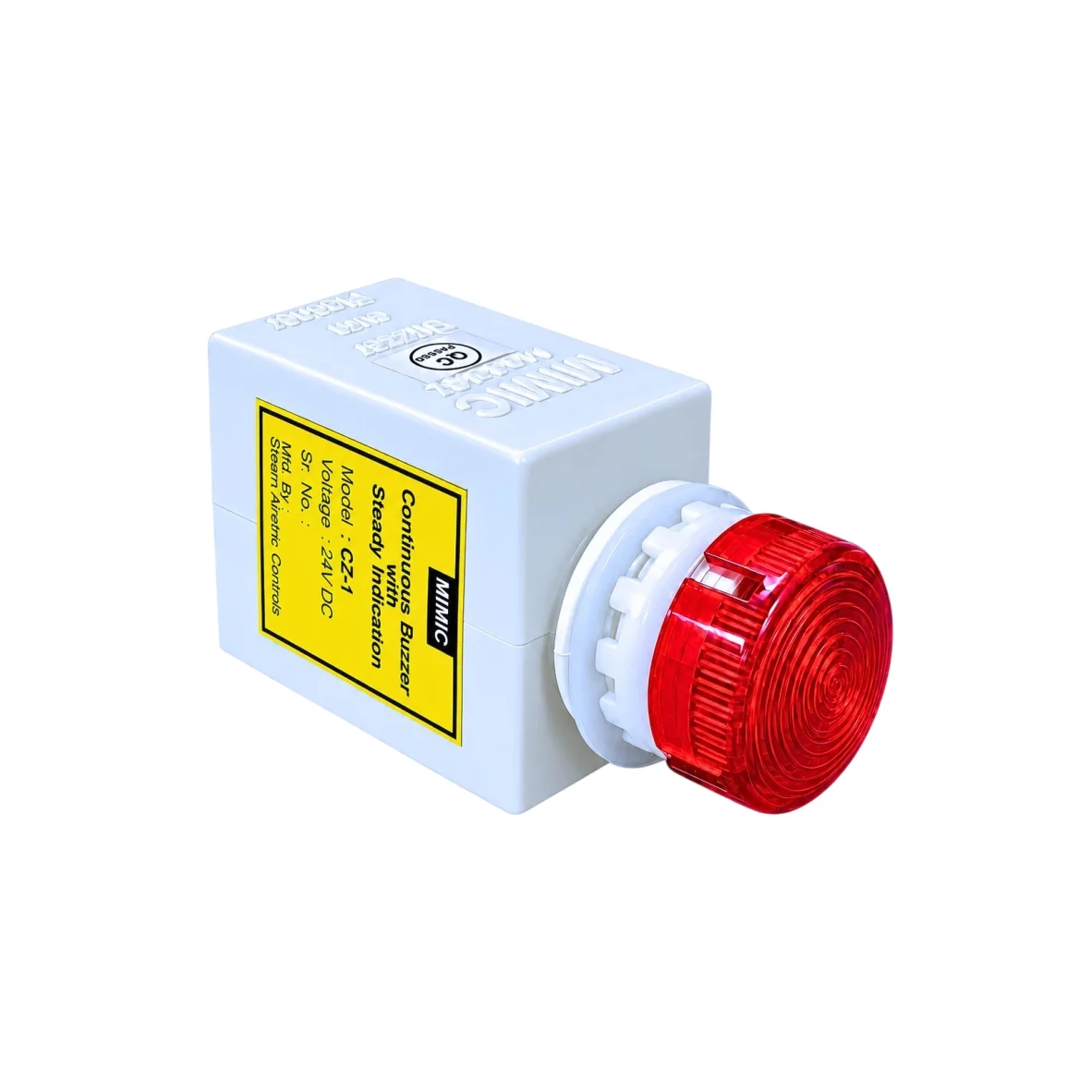
A 22mm flasher buzzer combines an audible warning with a flashing visual indication in a compact panel-mounted format. It can be used to notify operators when a machine condition, control signal, or other monitored event requires attention.
How Signaling Supports Industrial Operations
Industrial control systems often monitor several conditions simultaneously. Temperature, motor operation, pressure, process status, and electrical faults are just a few examples of information that may need to be communicated to an operator.
While modern automation systems can display detailed information, a direct local warning can still be valuable. A buzzer immediately attracts attention, while a flashing indicator provides a visible indication that something has changed.
This makes audio-visual signaling particularly useful for straightforward local alerts.
What Is Special About a 22mm Mounting Format?
Panel space is rarely unlimited. Electrical cabinets can contain numerous switches, indicators, circuit protection components, controllers, and communication devices.
A 22mm mounting format is commonly used for compact panel controls and signaling components. It allows the warning device to fit into a planned panel layout without requiring a large amount of space.
This can be useful when designers want to maintain a clean arrangement while still providing noticeable warning signals.
Combining Sound and Light in One Device
One of the main advantages of a flasher buzzer is that it provides two forms of notification.
An audible signal can alert an operator who is working away from the panel. Once the operator looks toward the equipment, the flashing indication can provide an immediate visual confirmation.
For example, if a machine stops unexpectedly, the control circuit may activate the warning device. The sound draws attention to the event, while the flashing signal indicates that the alarm condition is still active.
The actual control logic will depend on the machine and electrical system.
Common Industrial Applications
A compact panel signaling device can be used in a wide range of applications where local notification is required.
Some examples include:
- Automated machinery
- Factory production equipment
- Motor control panels
- Pump control systems
- Electrical distribution equipment
- Industrial control cabinets
- Process automation systems
- Machine monitoring panels
The device can be connected to an appropriate control circuit and activated when a predefined condition occurs.
Important Points When Selecting a Device
Selecting the right signaling component requires attention to both electrical and physical specifications.
Operating Voltage
Always verify the rated operating voltage before connecting the device. The specification should be compatible with the control circuit.
Mounting Requirements
Check the required panel hole size and mounting method. A suitable fit helps ensure secure installation and a professional panel layout.
Environmental Conditions
The installation environment should also influence the selection. Factors such as dust, moisture, vibration, temperature, and exposure to industrial contaminants may affect the suitability of a particular model.
Signal Characteristics
Consider where the device will be installed and how easily its sound and flashing indication need to be noticed. A suitable signaling level should match the surroundings and intended application.
Installation and Wiring
The effectiveness of any panel component depends partly on proper installation. Before fitting or wiring a warning device, the relevant electrical supply should be safely isolated.
The unit should be mounted securely, and connections should follow the manufacturer’s specified wiring arrangement. Wires should be routed neatly to make inspection and future maintenance easier.
The installation should also ensure that the visual indicator remains unobstructed and that the sound can be heard by the intended operator.
Maintenance Should Not Be Overlooked
Warning components may remain inactive for long periods, but they still need to operate correctly when an alarm occurs.
Routine inspections can include checking:
- Audible output
- Flashing operation
- Mounting security
- Electrical connections
- Physical condition
- Signs of overheating or damage
Functional testing can help identify a problem before the signaling device is actually required during an equipment fault.
Making Warning Signals Easier to Notice
An effective warning system is not necessarily the most complicated one. In many situations, a simple combination of sound and light can provide an easy-to-understand notification.
A 22mm flasher buzzer can support this approach by delivering two alert methods through one compact panel component. This can be particularly useful when operators need immediate awareness without adding unnecessary equipment to the control cabinet.
The final choice should always reflect the machine’s control requirements and the conditions in which the device will operate.
Conclusion
Clear signaling can contribute to better operator awareness in industrial and automation environments. A 22mm flasher buzzer provides a compact way to combine audible and visual notification within a control-panel arrangement.
Before selecting a model, users should review voltage compatibility, mounting dimensions, environmental suitability, and signal requirements. Proper wiring, installation, and periodic testing can further support reliable performance.
For applications where a noticeable local warning is needed without consuming excessive panel space, this type of combined signaling device can be a practical addition to the control system.