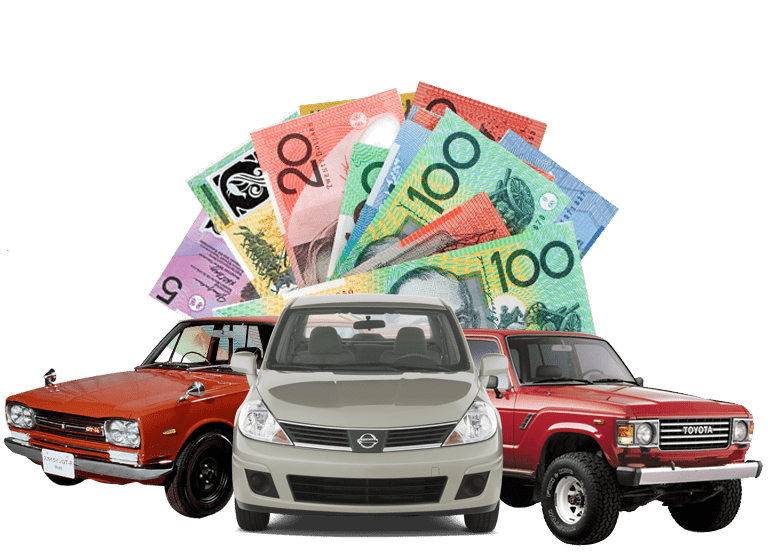
Looking to sell your old car in Adelaide and wondering how cash for cars companies decide what it’s worth? You’re not alone — understanding the valuation process helps you get a fair price and speeds up the sale. This guide breaks down, in clear and practical terms, the main factors Adelaide car buyers use to value vehicles, what to prepare before getting quotes, and tips to maximise what you’ll get in cash.
Quick Overview: What Valuation Actually Means
When a cash for cars company gives you an offer, they’re estimating how much your vehicle can be worth to them after they factor in costs and possible resale or salvage value. The final number is not just “market value” — it combines the car’s condition, demand for parts, ease of towing, paperwork status, and the buyer’s business model (repair/resell, parts, scrap metal, etc.). In short: an offer reflects both what your car is worth now and what the buyer expects to make from it.
Core Factors that Determine Value
Age and model
Newer cars and popular models generally fetch higher prices. Manufacturers and models with strong demand in Adelaide (and Australia-wide) hold value better because buyers can resell them as used cars or part them out easily.
Make and trim level
A higher trim level, extra options (sunroof, leather, safety packages), and powerful or economical engine variants can incrementally raise the offer. Luxury badges sometimes still pull a premium — unless the repair costs are massive.
Mechanical condition
Is the car running? Buyers usually give the best price to cars that start and drive. If the engine, transmission, or other major mechanical systems need repairs, expect the offer to drop — sometimes dramatically. But even non-running cars have value for parts or scrap, so you’ll likely get something.
Cosmetic condition
Dents, rust, smashed glass, torn interiors and paint condition matter. Cosmetic issues lower value, but they rarely make a car worthless — many wreckers and breakers will pay well for cars with intact mechanicals but poor looks.
Mileage
Lower mileage is better. High kilometres suggest more wear, potentially costly repairs and lower resale value. That said, a well-maintained high-mileage car can still be worth more than a neglected low-mileage one.
Service history and documentation
A full-service history, registration papers, safety certificates, and proof you own the car (or power of attorney if required) improve confidence and can improve offers. Missing or inconsistent records may reduce the price.
Market demand for parts and models
Some cars have high demand for parts (popular older models, SUVs, 4WDs). Even if a car is wrecked, a buyer may offer more if they can harvest valuable components. Seasonal demand (e.g., 4WDs before certain seasons) can also influence offers.
Location and towing logistics
If your vehicle is easily accessible cash for cars in Adelaide metro areas, offers will be higher. Remote pickup, difficult parking, or cars stuck behind gates reduce offers because of extra labour/time needed to tow.
Salvageable components & scrap metal value
If the buyer plans to break the car for parts, they’ll assess the condition of high-value components — catalytic converters, airbags, dashboard electronics, alternators, gearboxes, wheels, and tyres. Scrap metal prices also set a baseline: even if only the shell has value, scrap weight matters.
How Buyers Actually Calculate an Offer (Simplified)
A cash for cars buyer typically looks at:
- Estimated resale/parts value — What they can expect to recover by reselling the whole car, parts, or scrap.
- Operating costs — Towing, storage, labour for dismantling, compliance paperwork, advertising for sale, etc.
- Risk and margin — Contingency for unexpected faults and a profit margin.
So an offer = (expected recovery) − (costs + risk + profit). Different buyers estimate these variables differently, which is why offers can vary. Always get multiple quotes.
Valuation Process: What to Expect When you Contact Them
- Initial enquiry: You’ll be asked for make, model, year, VIN (if available), odometer reading, and brief description of condition.
- Photo requests: Many buyers ask for photos of exterior, interior, engine bay, and any damage.
- Preliminary quote: Based on your info they’ll give an initial offer (often valid for 24–48 hours).
- Inspection: Some buyers come to inspect before finalising; others accept the photos and proceed to collection.
- Final offer & paperwork: After inspection, the final cash offer, tow scheduling, and transfer paperwork are completed.
How to Prepare your Car to Get the Best Offer
- Gather documents: Registration, title/receipt, service records, and any safety or roadworthy certificates. These build trust and usually add value.
- Clean it up: A quick wash, vacuum and removing personal items make a surprisingly positive impression.
- Fix small things (selectively): Replacing blown bulbs or a flat tyre might help; expensive repairs rarely pay off if the buyer will factor them in. Don’t spend big on repairs unless you’ve confirmed it will increase the sale price more than the repair cost.
- Take good photos: Clear photos from multiple angles, plus close-ups of damage and dashboard odometer, help get better initial offers.
- Be honest: Disclose known issues. If you misrepresent the car, buyers can reduce the offer on inspection or refuse collection.
Tips to Maximise your Cash Offer
- Shop around: Get at least three quotes—different businesses focus on parts, resale, or scrap and may value your car differently.
- Highlight valuable parts: If you know you have a functioning gearbox, catalytic converter, or new tyres, make that clear.
- Sell parts separately (if practical): Sometimes removing valuable components (like sound systems or aftermarket wheels) beforehand and selling them yourself yields more.
- Choose the right buyer: If your car is repairable, opt for buyers who resell cars; if it’s beyond repair, pick specialists in wrecking or scrap who pay more for parts and metal.
- Negotiate professionally: Use competing quotes to negotiate. Cash for cars businesses expect some negotiation.
Common Myths — Busted
- “I must have full service records to get a good price.” Helpful, yes — but not always essential. Many buyers prioritize mechanical condition and parts value.
- “A dented or non-running car is worthless.” Not true. Even non-running cars have parts and scrap value.
- “Going to a dealer always gets more.” Not necessarily. Dealers focus on retail margin; wreckers/parts buyers might pay more if they can extract parts profitably.
Paperwork & Legal Points in Adelaide
When you accept an offer, expect to complete:
- Proof of ownership transfer (receipt and transfer forms).
- ODT or disposal forms per local regulations (buyers usually handle deregistration).
- Photo ID and any required signatures.
Always get a written receipt showing the amount paid and the vehicle details. This protects both parties and confirms the sale as of a specific date/time — very important for registration and liability reasons.
Frequently Asked Questions
Q: Will I get less if my car has finance?
A: If there’s an outstanding loan, you must settle with the financier before you can transfer ownership. Some buyers may still buy the vehicle but the transaction is more complex — clear this up before agreeing.
Q: What if my car is uninsured or unregistered?
A: Many cash for cars companies still buy unregistered vehicles, but the offer may be lower because of the added paperwork/risk.
Q: How fast is payment?
A: Reputable buyers pay on the spot at collection — usually cash or bank transfer. Confirm with the buyer beforehand.
Q: Can they lower the offer after collection?
A: If you’ve accurately described the car and provided photos, reputable companies won’t change the price just to renegotiate. If they do, walk away and take another quote.
Final checklist before you sell
- Get 3+ quotes.
- Have ID and any ownership paperwork ready.
- Remove personal items and number plates (if required by local rules).
- Get a written receipt and a signed transfer of ownership.
- Ask about how they handle deregistration and whether they’ll provide a disposal certificate.
Cash for cars companies in Adelaide value vehicles through a practical blend of market demand, mechanical and cosmetic condition, salvageable parts, running costs (towing and labour), and profit margin. By preparing your paperwork, presenting your car honestly and cleanly, and shopping around for quotes, you can maximise the cash you receive and ensure a smooth sale. Whether your car is gently used, dented, or non-running, there’s almost always value to be reclaimed — you just need to know how the valuation works and how to present your vehicle in the best light.
If you want, I can draft a short email template you can send to buyers to request quotes (including the exact photos and info to include) — that’ll help you get cleaner, more comparable offers. Want that?
Source URL : https://businessgracy.com/cash-for-cars-adelaide-companies-value-your-car