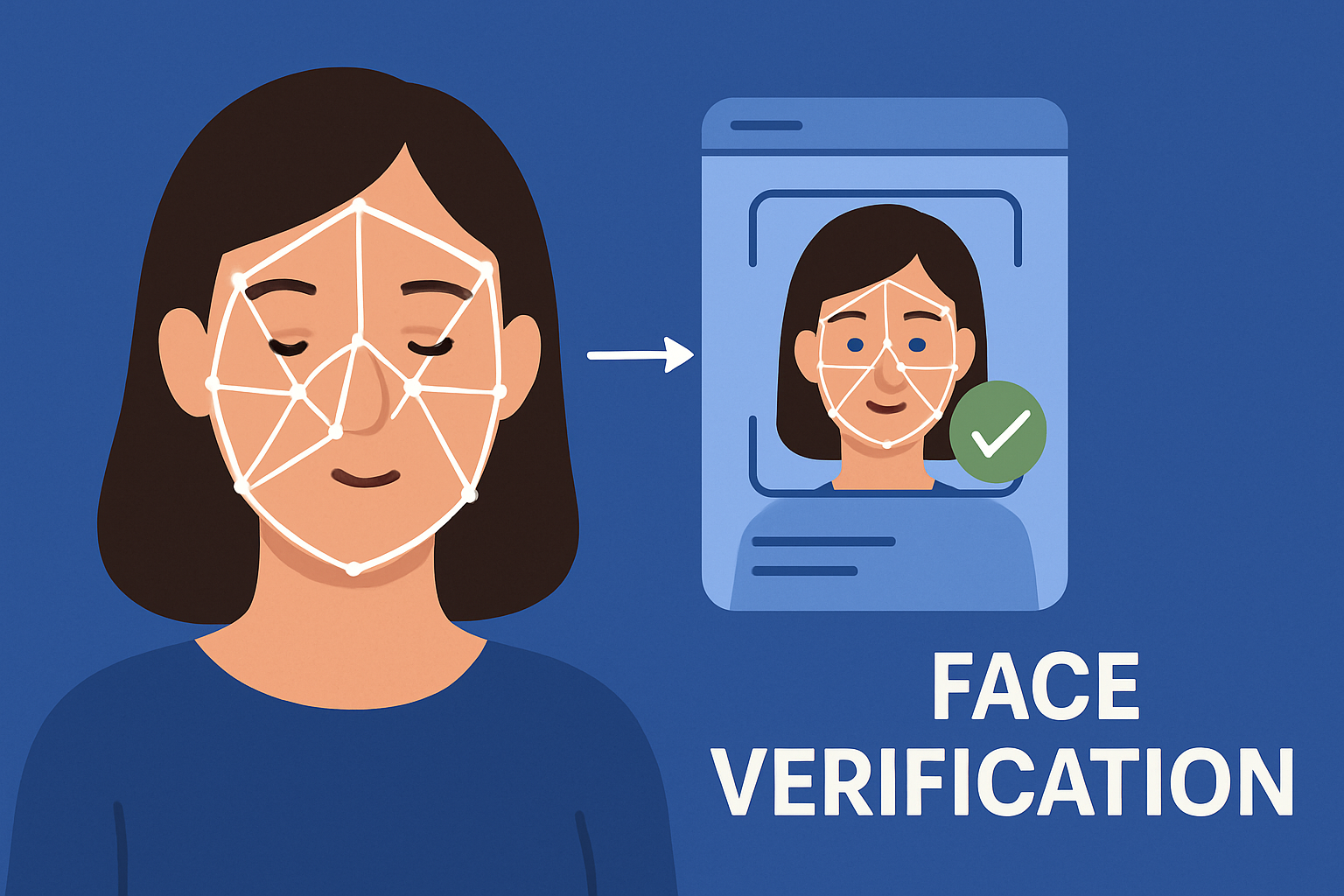
In today’s rapidly evolving digital world, businesses are under increasing pressure to secure user identities while delivering a seamless customer experience. Technologies like face liveness detection and voice authentication have emerged as powerful tools in modern identity verification systems, helping organizations prevent fraud and ensure genuine user interactions.
What is Face Liveness Detection?
Face liveness detection is an advanced biometric security feature designed to determine whether a facial input comes from a real, live person rather than a static image, video, or mask. This technology plays a crucial role in preventing spoofing attacks, where fraudsters attempt to bypass systems using photos or pre-recorded videos.
There are two main types of liveness detection:
- Active Liveness Detection: Requires users to perform specific actions such as blinking, smiling, or turning their head.
- Passive Liveness Detection: Works in the background without user interaction, analyzing facial textures, light reflections, and micro-movements using AI.
By integrating face liveness detection, businesses can enhance the reliability of their identity verification processes, especially in industries like banking, fintech, and e-commerce.
Understanding Voice Authentication
Voice authentication, also known as voice biometrics, verifies a user’s identity based on their unique vocal characteristics. Just like fingerprints, every individual’s voice has distinct patterns such as tone, pitch, and speech rhythm.
Voice authentication systems operate in two modes:
- Text-Dependent: Users speak a specific phrase or password.
- Text-Independent: The system authenticates users based on natural speech without requiring a fixed phrase.
This technology is widely used in customer service, call centers, and mobile applications, offering a hands-free and convenient authentication method.
Benefits of Combining Face Liveness Detection and Voice Authentication
When face liveness detection and voice authentication are used together, they create a robust multi-factor biometric system. This combination offers several benefits:
- Enhanced Security: Reduces the risk of identity fraud and spoofing attacks.
- Improved User Experience: Enables quick and seamless verification without lengthy processes.
- Scalability: Suitable for remote onboarding and digital platforms.
- Compliance: Helps meet KYC (Know Your Customer) and regulatory requirements.
Use Cases Across Industries
Businesses across various sectors are leveraging these technologies:
- Banking & Fintech: Secure account opening and transaction verification
- Telecom: SIM card registration and fraud prevention
- Healthcare: Patient identity verification
- E-commerce: Secure payments and account protection
Conclusion
As cyber threats continue to evolve, traditional authentication methods are no longer sufficient. Face liveness detection and voice authentication provide a powerful, AI-driven solution to safeguard digital identities. By adopting these advanced technologies, businesses can not only enhance security but also build trust and deliver a superior user experience in an increasingly digital-first world.