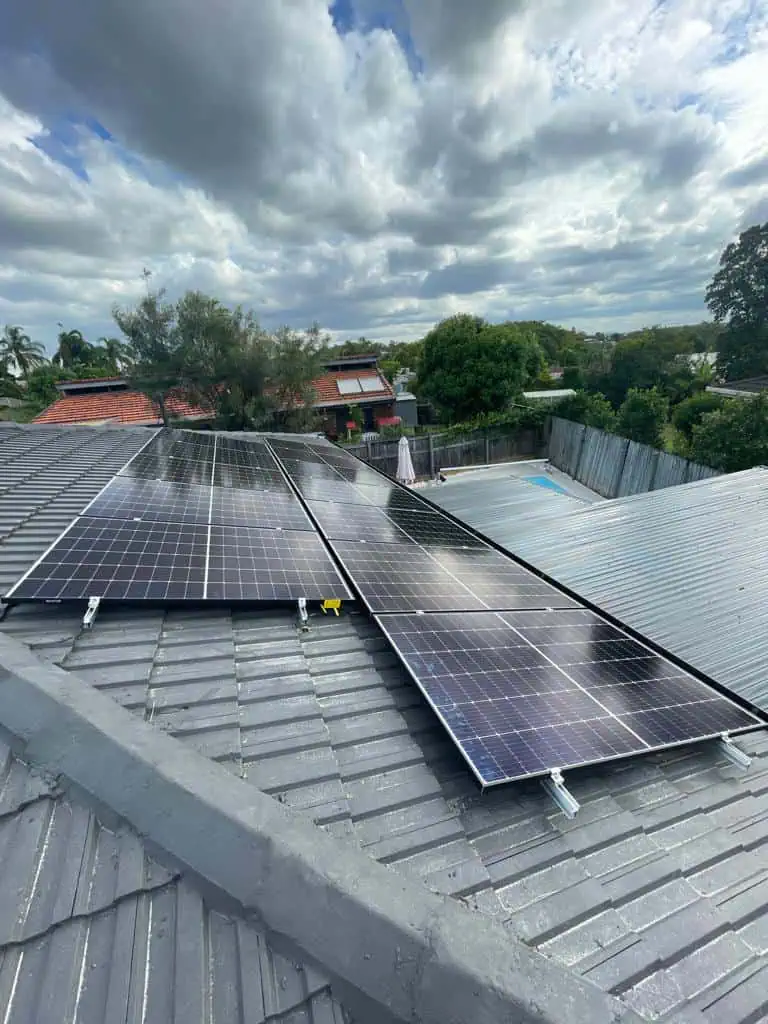
Australia’s manufacturing sector is entering a new era. Rising electricity prices, global competition, and sustainability expectations are pushing manufacturers to rethink how they operate. Energy has become one of the biggest operational costs for factories, and controlling it is now essential for profitability. One solution that is rapidly transforming the industry is commercial solar panel installation.
Manufacturing facilities operate heavy machinery, automated production lines, cooling systems, and high-powered equipment. All of these processes require continuous electricity supply, often running 8 to 24 hours per day. As grid electricity prices continue to rise across Australia, many manufacturers are adopting solar power to reduce operating expenses and stabilize long-term production costs.
Why Energy Costs Are a Major Challenge
Electricity is not just a utility for manufacturers — it is a production input. Every product manufactured depends on power. Whether it is metal fabrication, food processing, packaging, textile production, or chemical processing, energy costs directly affect product pricing and profit margins.
In recent years, Australian manufacturers have faced:
- Increasing peak electricity tariffs
- Demand charges during high usage hours
- Grid supply instability in some regions
- Pressure to reduce carbon emissions
These challenges make commercial solar installation an attractive investment rather than just an environmental upgrade.
How Commercial Solar Systems Support Manufacturing
Commercial solar panels generate electricity during daylight hours, which aligns perfectly with factory operations. Most production activity occurs during daytime shifts, meaning solar energy can directly power machines in real time.
Instead of buying expensive electricity from the grid, factories use self-generated solar power first. This significantly reduces grid consumption and lowers energy bills.
Direct Operational Advantages
- Reduced Production Cost
Solar power decreases the per-unit cost of manufacturing. Lower energy expenses allow businesses to price products competitively without sacrificing profit margins. - Predictable Energy Pricing
Unlike grid electricity, solar energy has no fuel cost. Once installed, the energy generated is essentially free. This protects manufacturers from future electricity price hikes. - Improved Cash Flow
Monthly electricity savings improve cash flow. Businesses can reinvest these savings into equipment upgrades, automation, or workforce expansion. - Higher Production Stability
Factories with solar systems paired with batteries can reduce dependence on grid outages and maintain production continuity.
Environmental and Compliance Benefits
Sustainability requirements are becoming stricter worldwide. Many international clients now require suppliers to meet environmental standards before signing contracts. Manufacturers using renewable energy gain a strong advantage in global trade.
By installing commercial solar panels, factories can:
- Reduce carbon emissions
- Improve ESG (Environmental, Social, Governance) ratings
- Meet export compliance standards
- Strengthen corporate responsibility policies
This is especially important for Australian exporters supplying goods to Europe and environmentally regulated markets.
Suitable Areas for Solar Installation
Manufacturing facilities are ideal for solar because they usually have large unused roof areas. Solar panels can be installed on:
- Factory rooftops
- Warehouse buildings
- Parking shade structures
- Storage facilities
Large flat roofs allow installation of high-capacity systems that generate substantial electricity every day.
Government Support and Incentives
Australia provides several financial incentives encouraging businesses to adopt solar power. These may include renewable energy certificates and tax depreciation benefits. Such incentives lower the initial installation cost and shorten the return on investment period.
In many cases, manufacturers recover installation costs within a few years while enjoying decades of savings afterward.
Solar + Battery = Energy Independence
Some manufacturers are now integrating battery storage with solar systems. Batteries store excess daytime electricity and supply it during evening shifts or peak tariff periods. This further reduces electricity purchases and enhances operational reliability.
Energy independence is becoming a strategic goal for industrial facilities, and solar is the first step toward achieving it.
The Competitive Advantage
Companies that adopt solar early gain a strong competitive position. Lower operational costs allow them to offer better pricing, maintain margins, and withstand economic fluctuations.
Additionally, sustainability marketing is becoming powerful. Customers, investors, and partners increasingly prefer environmentally responsible manufacturers.
Conclusion
Commercial solar panel installation is reshaping the future of Australian manufacturing. It reduces production costs, improves reliability, supports environmental goals, and protects businesses from rising electricity prices.
As energy becomes a central factor in industrial competitiveness, manufacturers who invest in solar power today are preparing themselves for a more stable, profitable, and sustainable future. Solar energy is no longer an alternative — it is becoming a standard requirement for modern manufacturing success.
Should You Add a Battery to Your Solar System? Cost vs Savings Guide