Custom packaging trays are an essential component of modern packaging, designed to securely hold products in place while enhancing presentation and organization. Whether used inside boxes or as standalone packaging, these trays provide structure, protection, and a professional look that improves the overall customer experience.
What Are Custom Packaging Trays?
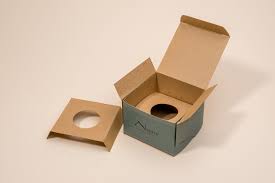
Custom packaging trays are inserts or molded structures created to fit specific products. They are designed to hold items securely within a box, preventing movement and reducing the risk of damage during handling and transportation.
These trays can be tailored to match the exact shape, size, and quantity of products, making them ideal for packaging multiple items or delicate goods.
Importance of Packaging Trays
Without proper internal support, products can shift, collide, or break during transit. Packaging trays solve this problem by providing dedicated compartments or slots for each item.
They also improve presentation by keeping products neatly arranged. This organized layout enhances the unboxing experience and makes the product more appealing to customers.
Types of Custom Packaging Trays
There are several types of packaging trays available, depending on the product and industry:
- Die-cut cardboard trays: Lightweight and cost-effective
- Thermoformed plastic trays: Durable and precisely molded
- Foam inserts: Provide excellent cushioning for fragile items
- Molded pulp trays: Eco-friendly and biodegradable
- Vacuum-formed trays: Ideal for complex shapes
Each type offers different levels of protection and visual appeal.
Materials Used
Custom packaging trays are made from a variety of materials:
- Paperboard and cardboard: Suitable for lightweight products
- Plastic (PET, PVC): Provides durability and transparency
- Foam (EVA, PU): Offers superior shock absorption
- Molded pulp: Sustainable and biodegradable option
The choice of material depends on product fragility, weight, and sustainability goals.
Key Features of Custom Packaging Trays
One of the main features is product security. Trays are designed to hold items firmly in place, preventing movement.
Another key feature is customization. Trays can be designed to fit unique product shapes and configurations.
They also enhance presentation by creating a clean and organized layout inside the packaging.
Benefits of Custom Packaging Trays
1. Enhanced Protection
Reduces the risk of damage during shipping and handling.
2. Organized Presentation
Keeps products neatly arranged and visually appealing.
3. Improved Customer Experience
Creates a premium and professional unboxing experience.
4. Versatility
Suitable for a wide range of industries and products.
5. Efficient Packaging
Optimizes space and reduces material waste.
Applications Across Industries
Custom packaging trays are widely used in:
- Electronics and gadgets
- Cosmetics and beauty products
- Food and confectionery items
- Medical and pharmaceutical products
- Jewelry and luxury goods
Their adaptability makes them a valuable packaging solution for many sectors.
Customization Options
Customization allows businesses to design trays that perfectly match their products.
Design Features:
- Multiple compartments for different items
- Custom shapes and sizes
- Branding elements or printed surfaces
- Color matching with outer packaging
Functional Additions:
- Anti-static properties for electronics
- Moisture-resistant coatings
- Soft-touch finishes for delicate items
These options ensure both functionality and brand consistency.
Sustainability Trends
Eco-friendly packaging trays are becoming increasingly popular. Molded pulp and recyclable cardboard trays are widely used as sustainable alternatives to plastic.
Reducing material usage and designing reusable trays also contribute to environmental responsibility.
Cost Considerations
The cost of custom packaging trays depends on material type, design complexity, and production volume. Plastic and foam trays may be more expensive, while cardboard and pulp options are generally more affordable.
Bulk production can significantly reduce costs, making custom trays a cost-effective solution for large-scale operations.
Design Tips for Effective Packaging Trays
To create effective packaging trays, businesses should:
- Ensure a snug fit for each product
- Choose materials based on product fragility
- Keep the design simple and functional
- Align tray design with overall packaging aesthetics
- Consider sustainability in material selection
A well-designed tray enhances both protection and presentation.
Conclusion
Custom packaging trays are a crucial element in modern packaging systems, offering protection, organization, and visual appeal. Their ability to securely hold products while enhancing presentation makes them indispensable across various industries.