Introduction
BMW, short for Bayerische Motoren Werke, is one of the most respected automotive manufacturers in the world. Founded in Germany in 1916, the company initially focused on aircraft engines before expanding into motorcycles and automobiles. Today, BMW is globally recognized for producing high-performance luxury vehicles, and at the heart of this reputation lies its world-class engine technology.
BMW engines are known for their balance of power, efficiency, and smooth driving dynamics. Over the decades, the company has continuously evolved its engine designs, integrating advanced technologies to meet modern performance standards and environmental regulations. This article explores the history, innovation, types, and future of BMW engines in detail.
History of BMW Engine Development
BMW’s journey in engine manufacturing began with aircraft engines during World War I. The company’s early success came from producing high-altitude engines that were both powerful and reliable. After the war, BMW shifted its focus to motorcycles and later automobiles.
In the 1930s, BMW introduced its first automobile engines, which quickly gained attention for their engineering precision. By the mid-20th century, BMW had established itself as a premium car manufacturer, known for inline engines that delivered smooth performance.
The introduction of the legendary BMW inline-six engine became a defining moment in the company’s history. This engine layout provided excellent balance and reduced vibration, setting BMW apart from many competitors.
Key Characteristics of BMW Engines
BMW engines are designed with a focus on performance and driving pleasure. Several key characteristics define their engineering philosophy:
1. Inline Engine Configuration
BMW is famous for its inline engines, especially the inline-four and inline-six designs. The inline-six is particularly admired for its smooth operation and natural balance.
2. Efficient Power Delivery
BMW engines are engineered to deliver high power output without compromising fuel efficiency. This balance is achieved through precision engineering and advanced fuel injection systems.
3. Lightweight Construction
The company uses lightweight materials such as aluminum and magnesium to reduce engine weight. This improves vehicle handling and overall performance.
4. Advanced Turbocharging
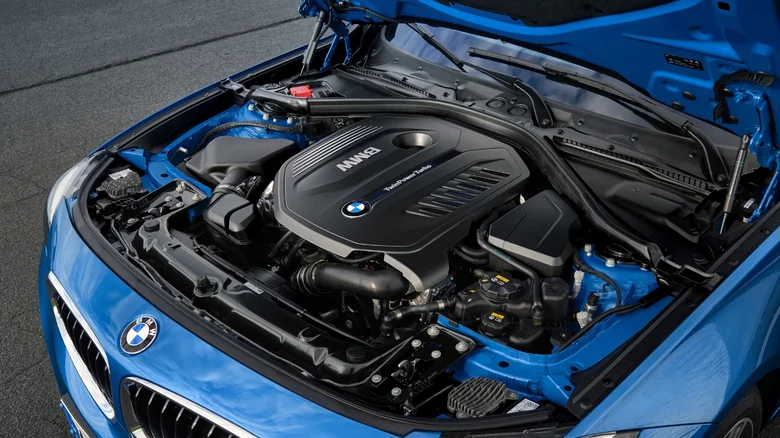
Modern BMW engines often include turbocharging technology, which increases power while maintaining efficiency. Turbo engines allow smaller displacement engines to produce higher horsepower.
Types of BMW Engines
BMW produces a wide range of engines to suit different vehicle categories, from compact cars to high-performance sports models.
1. Inline-Four Engines
BMW’s inline-four engines are commonly used in entry-level and mid-range vehicles. These engines are compact, fuel-efficient, and provide a good balance of performance and economy.
They are often equipped with turbocharging technology, making them capable of delivering impressive power despite their smaller size.
2. Inline-Six Engines
The inline-six engine is considered BMW’s signature design. Known for its smoothness and power delivery, it is used in many premium BMW models.
This engine type is naturally balanced, which reduces vibration and enhances driving comfort. It is widely regarded as one of the best engine configurations in the automotive industry.
3. V8 Engines
BMW V8 engines are designed for high-performance and luxury vehicles. These engines provide strong acceleration and are commonly found in BMW’s higher-end sedans and SUVs.
They combine power with refinement, making them suitable for both sporty driving and long-distance comfort.
4. V12 Engines
Although less common today, BMW has produced V12 engines for its flagship luxury models. These engines represent the peak of BMW engineering, offering exceptional smoothness and power.
5. Diesel Engines
BMW also manufactures efficient diesel engines, especially popular in Europe. These engines are known for their torque, fuel efficiency, and long-distance performance.
Modern BMW diesel engines are equipped with advanced emissions control systems to meet environmental standards.
BMW M Performance Engines
The BMW M division is responsible for producing high-performance versions of standard BMW engines. M engines are designed for motorsport-level performance and are used in models such as the BMW M3 and M5.
These engines are more powerful, with higher horsepower and torque outputs. They also feature enhanced cooling systems, reinforced components, and aggressive tuning for maximum performance.
BMW M engines are built for enthusiasts who want a more thrilling driving experience without sacrificing luxury.
Technological Innovations in BMW Engines
BMW has consistently introduced innovative technologies to improve engine performance and efficiency.
1. TwinPower Turbo Technology
One of BMW’s most significant innovations is TwinPower Turbo technology. This system combines turbocharging with direct fuel injection and variable valve timing, improving both power and fuel efficiency.
2. Valvetronic System
The Valvetronic system allows variable valve lift, which means the engine can control how much air enters the combustion chamber. This improves efficiency and reduces fuel consumption.
3. High Precision Injection
BMW engines use high-pressure fuel injection systems that ensure precise fuel delivery. This leads to better combustion and reduced emissions.
4. Start-Stop Technology
To improve fuel efficiency in city driving, BMW engines are equipped with start-stop systems that automatically shut off the engine when the vehicle is idle.
Hybrid and Electric Transition
In recent years, BMW has shifted toward hybrid and electric technology. While traditional engines remain important, BMW is integrating electric motors to create plug-in hybrid systems.
Models like the BMW i8 and newer hybrid SUVs combine combustion engines with electric power for improved efficiency and reduced emissions.
BMW is also investing heavily in fully electric vehicles under its BMW i series, signaling a gradual transition away from traditional engines in the future.
Performance and Driving Experience
BMW engines are designed not just for power but for driving pleasure. The brand’s philosophy, often described as “The Ultimate Driving Machine,” is reflected in how its engines respond to driver input.
Whether it is the smooth acceleration of an inline-six or the aggressive power of an M engine, BMW ensures that each engine delivers a connected and engaging driving experience.
Environmental Considerations
Modern BMW engines are designed with strict environmental standards in mind. The company has significantly reduced emissions through improved combustion technology, lightweight materials, and hybrid systems.
BMW is also committed to sustainability, aiming to reduce its carbon footprint and increase the use of renewable energy in production.
Future of BMW Engines
The future of BMW engines lies in electrification and hybrid technology. While traditional combustion engines will continue to exist for some time, BMW is rapidly developing electric drivetrains.
Future BMW vehicles are expected to feature more efficient hybrid systems and fully electric powertrains, offering high performance with zero emissions.
Despite this shift, BMW’s engineering philosophy of performance and driving enjoyment will remain central to its designs.
Conclusion
BMW engines represent a perfect blend of engineering precision, performance, and innovation. From the iconic inline-six to modern turbocharged and hybrid systems, BMW has consistently pushed the boundaries of automotive technology.
The company’s commitment to efficiency, power, and driving pleasure has made its engines some of the most respected in the automotive world. As BMW moves toward an electrified future, its legacy of exceptional engine design continues to shape the automotive industry.
For more information.