Liver transplantation is one of the most advanced procedures in modern medicine. Patients with severe liver disease, liver failure, or certain liver cancers may require transplantation when the liver can no longer function properly. In recent years, robotic liver transplant techniques have introduced new possibilities in complex liver surgery by improving precision, surgical control, and patient recovery.
Advancements in robotic technology are helping transplant teams perform highly delicate procedures with greater accuracy. As modern transplant centres continue to adopt advanced surgical systems, robotic liver transplant procedures are becoming an important part of specialised liver care.
What Is Robotic Liver Transplant Surgery?
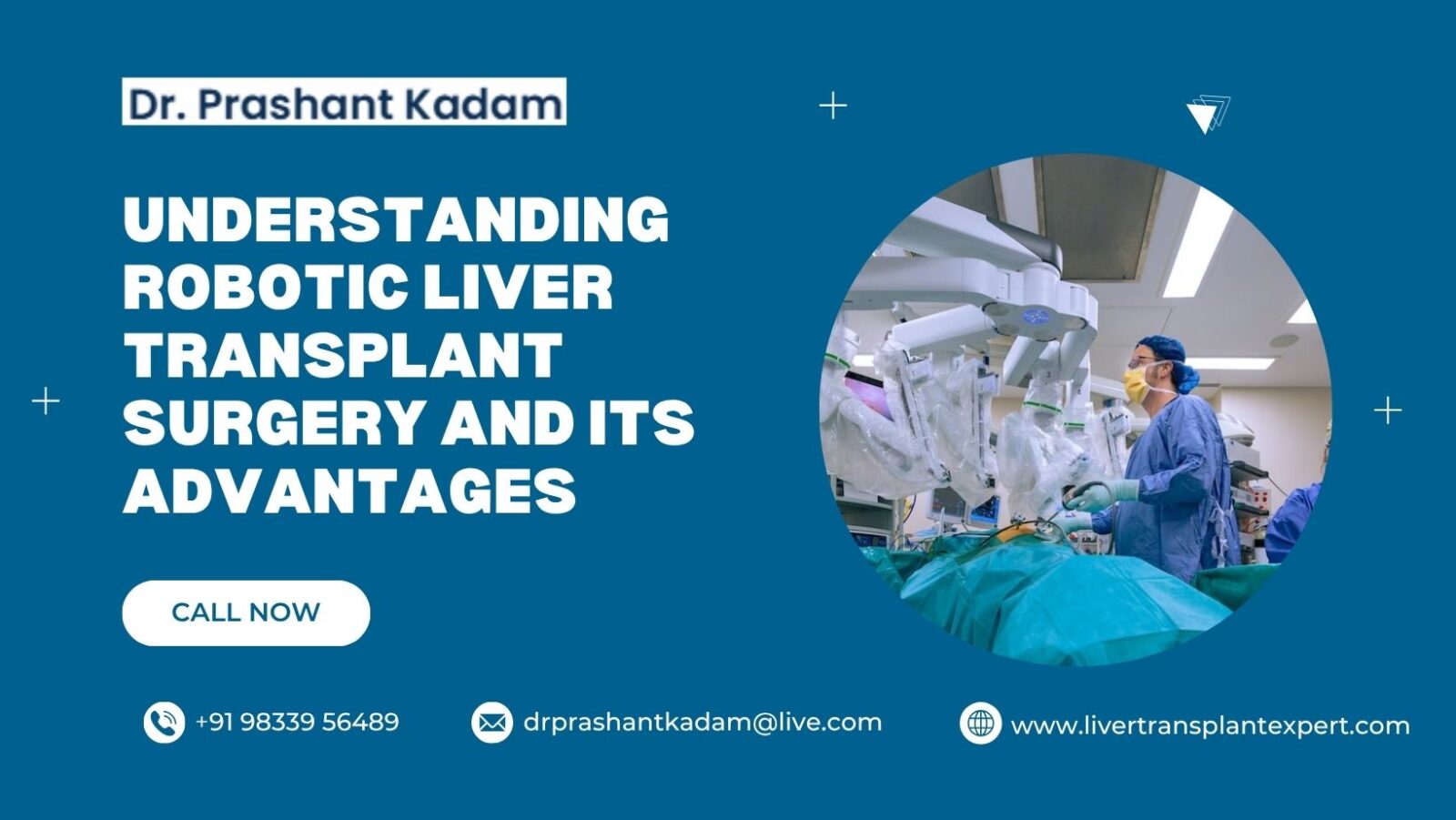
A robotic liver transplant is an advanced surgical approach that uses robotic-assisted technology during liver transplant procedures. The surgeon controls robotic instruments through a specialised console while viewing highly magnified three-dimensional images of the surgical area.
How Robotic Technology Supports Surgery
Robotic systems do not perform surgery independently. The entire procedure remains under the direct control of the transplant surgeon. The technology helps improve hand precision, flexibility of movement, and visual clarity during complex surgical steps.
Compared to traditional open surgery, robotic systems allow surgeons to work through smaller incisions in selected cases.
Role of Robotic Liver Surgery in Modern Transplant Care
Modern robotic liver surgery techniques are increasingly used in hepatobiliary and transplant procedures because they support precise surgical planning and minimally invasive treatment approaches.
Applications in Liver Surgery
Robotic techniques may be used for liver tumour removal, donor liver surgery, bile duct procedures, and selected transplant-related operations. These procedures require detailed surgical expertise because the liver is connected to major blood vessels and vital digestive structures.
An experienced hpb doctor carefully evaluates whether robotic-assisted surgery is suitable based on the patient’s condition, liver function, and surgical complexity.
Advantages of Robotic Liver Transplant
Robotic-assisted liver surgery offers several potential benefits for carefully selected patients.
Improved Surgical Precision
Robotic instruments allow highly controlled movements during delicate surgical procedures. The magnified three-dimensional view also helps surgeons identify blood vessels, bile ducts, and surrounding structures more clearly.
This precision may support safer dissection and reconstruction during transplant surgery.
Smaller Incisions and Reduced Trauma
Compared to traditional open procedures, robotic liver surgery often involves smaller surgical incisions. Smaller incisions may reduce tissue trauma and post-operative discomfort in suitable patients.
Some patients may also experience faster mobility and improved wound healing after minimally invasive procedures.
Better Visualisation During Surgery
The advanced imaging systems used in robotic surgery provide detailed visual access to difficult surgical areas. Improved visualisation helps surgeons perform complex procedures with greater accuracy and control.
This can be especially important during delicate transplant-related surgical steps involving blood vessels and bile ducts.
Importance of Specialist Expertise
Although robotic systems provide technological advantages, successful outcomes depend heavily on the skill and experience of the transplant team.
Role of Experienced Transplant Surgeons
An experienced best liver transplant surgeon in mumbai understands the complexity of liver transplantation and carefully selects the most appropriate surgical approach for each patient.
Robotic-assisted procedures require specialised training, advanced surgical planning, and multidisciplinary coordination involving transplant surgeons, hepatologists, anaesthetists, intensivists, and radiologists.
Specialists such as Dr Prashant Kadam focus on advanced hepatobiliary and transplant-related surgical care using evidence-based treatment planning and patient-centred management.
Recovery After Robotic Liver Surgery
Recovery after robotic-assisted procedures depends on the patient’s health condition, liver disease severity, and type of surgery performed.
Post-Operative Care and Monitoring
Patients require close monitoring after surgery to assess liver function, infection risk, nutritional status, and overall recovery. Doctors may recommend blood tests, imaging studies, physiotherapy, and medication management during the recovery period.
Patients are also guided regarding healthy eating, physical activity, and follow-up appointments to support long-term liver health.
Long-Term Follow-Up
Liver transplant patients require lifelong medical follow-up and immunosuppressive medications to reduce the risk of organ rejection. Regular medical monitoring helps detect complications early and maintain transplant function.
Challenges and Considerations
Robotic-assisted liver procedures may not be suitable for every patient. The decision depends on several factors including disease stage, previous surgeries, liver anatomy, and overall medical condition.
Careful Patient Selection
Doctors carefully evaluate each case before recommending robotic liver transplant surgery. In some complex situations, traditional open surgery may still provide the safest approach.
Patient safety always remains the primary consideration during transplant planning.
Conclusion
Robotic liver transplant surgery represents an important advancement in modern transplant medicine. With improved precision, advanced imaging, and minimally invasive techniques, robotic-assisted procedures are helping support safer liver surgery and improved patient recovery in selected cases.
Supported by experienced specialists such as Dr Prashant Kadam, advanced transplant centres, and multidisciplinary surgical teams, robotic liver surgery continues to expand treatment possibilities for patients requiring complex liver care.