Maintaining a healthy lifestyle while enjoying traditional Punjabi food can feel challenging for many families. Rich curries, buttery breads, fried snacks, and sweet desserts are deeply connected to culture and celebrations. However, with mindful food choices and balanced eating habits, Punjabi cuisine can still support wellness goals.
At LiveLifeMore Ideal Weight Loss & Wellness Clinic – Surrey BC, personalized nutrition strategies focus on helping individuals enjoy their favorite meals while building healthier habits. A balanced approach works better than strict dieting because it supports consistency, energy levels, and long-term results.
One of the most effective approaches is following a Punjabi Diet Plan for Weight Loss that combines portion control, nutrient-dense foods, hydration, and regular physical activity. Instead of eliminating favorite dishes completely, the focus shifts toward smarter preparation methods and healthier ingredient choices.
Understanding Punjabi Eating Habits
Punjabi cuisine is known for its comforting flavors and generous portions. Traditional meals often include:
- Parathas with butter or ghee
- Creamy curries
- Rice-based dishes
- Fried snacks
- Sweet desserts
- Lassi and sugary beverages
While these foods are delicious, consuming them frequently in large portions may contribute to excess calorie intake. The key to healthier eating is moderation and balance.
Focus on Homemade Meals
Preparing meals at home allows better control over ingredients, oil usage, and portion sizes. Homemade meals can still be flavorful by using herbs, spices, ginger, garlic, onions, and tomatoes instead of relying heavily on cream or butter.
Add More Protein and Fiber
Protein and fiber help keep the body full for longer periods, reducing unnecessary snacking. Foods such as lentils, chickpeas, kidney beans, grilled paneer, tofu, eggs, fish, and lean chicken can support balanced nutrition.
Fiber-rich foods like vegetables, salads, oats, and whole grains improve digestion and help maintain steady energy throughout the day.
Smart Meal Planning Tips
Creating a structured meal routine can make healthy eating easier and more sustainable.
Start the Morning with Balanced Nutrition
Instead of heavy fried breakfasts every day, choose lighter options such as:
- Vegetable oats
- Besan chilla
- Greek yogurt with fruit
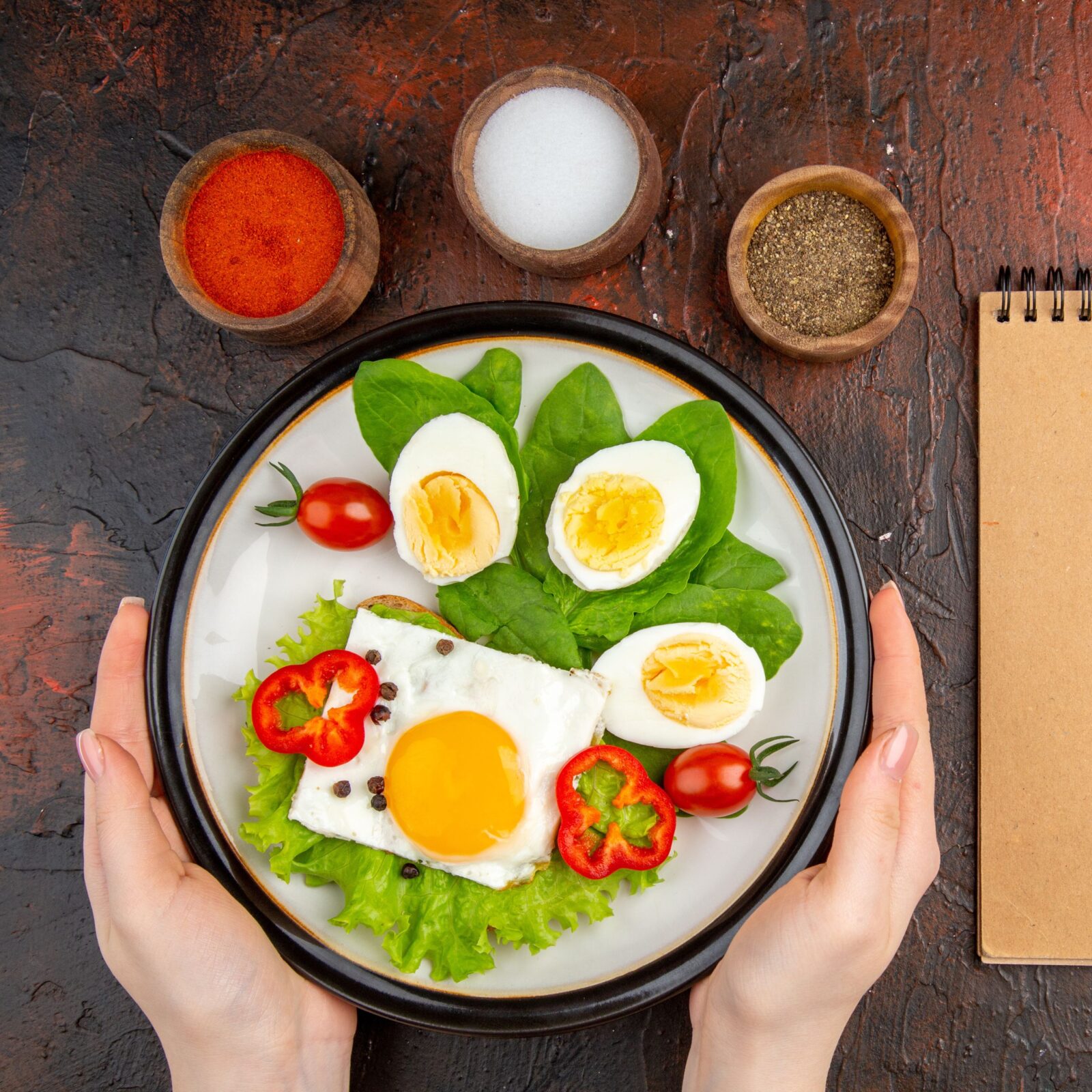
- Whole wheat toast with eggs
- Smoothies with protein and seeds
A balanced breakfast supports energy and reduces overeating later in the day.
Improve Lunch and Dinner Choices
Lunch and dinner can remain satisfying while being healthier.
Helpful ideas include:
- Whole wheat roti instead of refined flour bread
- Grilled or baked proteins instead of fried items
- More vegetable-based dishes
- Smaller rice portions
- Low-oil curries
- Fresh salad with meals
Simple cooking adjustments often make a major difference over time.
Healthy Snack Alternatives
Traditional fried snacks can occasionally be replaced with healthier alternatives such as:
- Roasted chana
- Fruit bowls
- Nuts in moderation
- Sprout salad
- Air-popped popcorn
- Homemade yogurt dips with vegetables
These options help manage hunger without excessive calories.
Importance of Hydration and Physical Activity
Many people underestimate the importance of water intake. Proper hydration supports digestion, metabolism, and overall wellness. Replacing sugary beverages with water, herbal tea, or infused water can help reduce unnecessary sugar consumption.
Physical activity is equally important. A healthy routine may include:
- Daily walking
- Strength training
- Yoga
- Cycling
- Stretching exercises
- Dance workouts
Consistency matters more than extreme exercise programs. Even 30 minutes of regular movement can support improved energy and fitness.
Building Sustainable Lifestyle Habits
Quick-fix dieting methods may deliver temporary changes, but sustainable wellness requires realistic habits.
Practice Portion Awareness
Large portions are common during family meals and celebrations. Using smaller plates, eating slowly, and recognizing fullness signals can help reduce overeating.
Reduce Emotional Eating
Stress, boredom, and emotional triggers may lead to unhealthy eating patterns. Developing healthier coping methods such as walking, meditation, journaling, or hobbies can improve overall wellness.
Prioritize Sleep and Stress Management
Poor sleep may increase cravings and fatigue. A consistent sleep routine combined with stress management techniques supports healthier daily choices.
Personalized Support Makes a Difference
Every individual has different nutritional needs, schedules, health conditions, and wellness goals. Personalized guidance often creates better long-term success than generic meal plans.
LiveLifeMore Ideal Weight Loss & Wellness Clinic – Surrey BC focuses on customized wellness strategies designed to fit individual lifestyles and cultural preferences. By combining balanced nutrition, accountability, and practical guidance, individuals can create healthier habits without feeling deprived.
A supportive environment can also improve motivation and consistency, especially for people balancing busy family and work schedules.
Conclusion
Healthy living does not require giving up cultural foods or following unrealistic restrictions. With mindful preparation methods, balanced meals, regular movement, and consistent habits, Punjabi cuisine can become part of a healthier lifestyle.
Making gradual improvements often leads to better long-term results than extreme dieting. Small daily choices such as controlling portions, choosing healthier cooking methods, staying active, and prioritizing hydration can create lasting positive changes over time.
For individuals looking for professional guidance and practical wellness support, LiveLifeMore Ideal Weight Loss & Wellness Clinic – Surrey BC offers personalized strategies tailored to individual lifestyles and health goals.