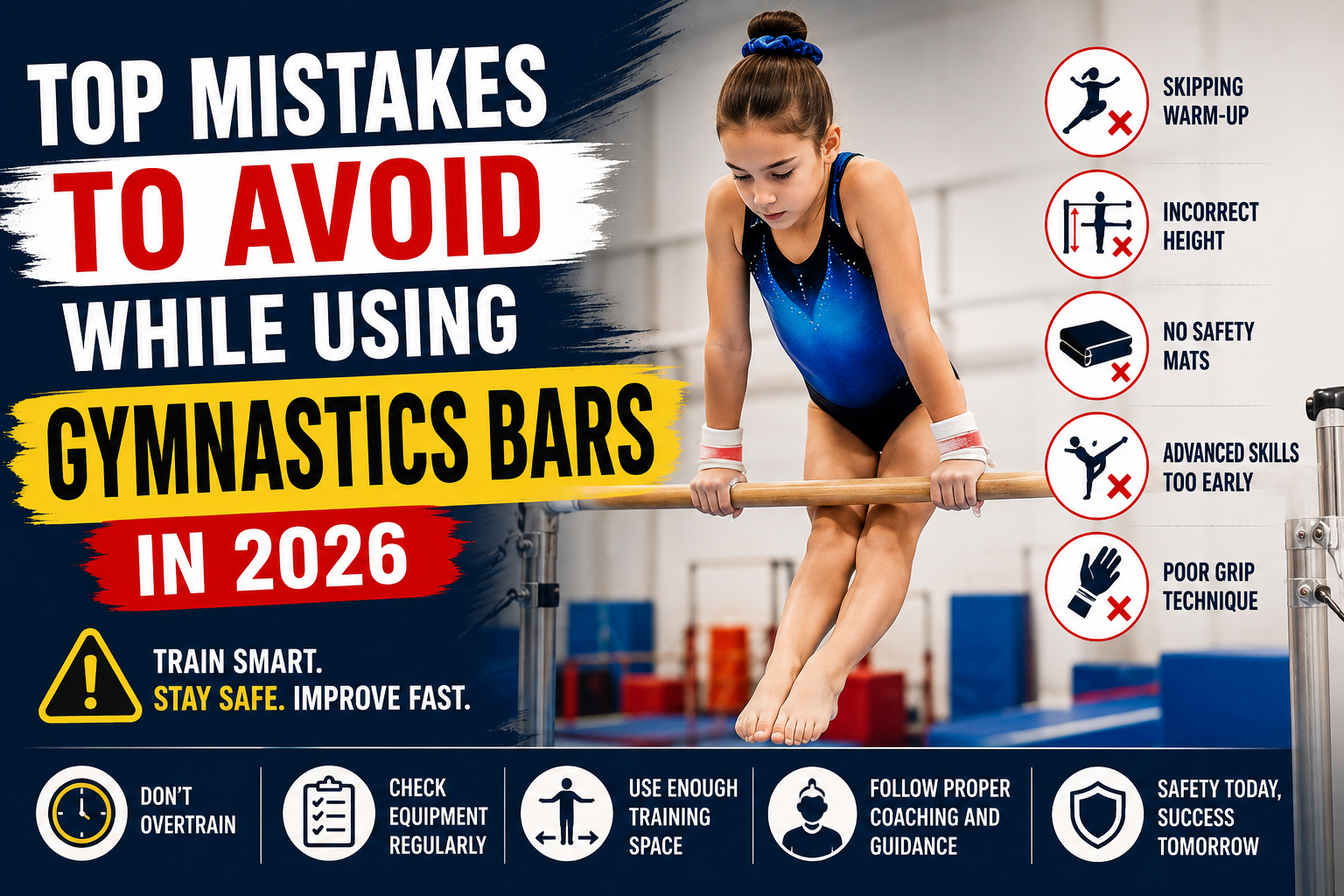
Training at home has become more popular than ever, especially among young athletes and fitness enthusiasts looking to improve flexibility, balance, and upper body strength. While practicing at home can be convenient and effective, many beginners and even experienced users make avoidable mistakes that can slow progress or lead to injuries.
Whether you are a parent buying equipment for your child or an athlete improving daily routines, understanding the common errors associated with Gymnastics Bars can help create a safer and more productive training environment. In this guide, we will explore the top mistakes people make in 2026 and how to avoid them for better performance and long-term success.
Ignoring Proper Warm-Ups
One of the most common mistakes athletes make is skipping warm-up exercises before training sessions. Many users jump directly into routines without preparing their muscles and joints. This increases the risk of strains, sprains, and muscle fatigue.
A proper warm-up should include stretching, wrist mobility exercises, shoulder rotations, and light cardio movements. Spending just 10–15 minutes warming up can significantly improve flexibility and reduce injury risks.
Dynamic movements are especially helpful because they activate the muscles required during practice. Warm muscles respond better to impact and movement, making training sessions safer and more efficient.
Using Incorrect Equipment Height
Another major mistake is setting the equipment too high or too low. Incorrect height adjustment affects posture, balance, and skill execution. Beginners often struggle with movements simply because the equipment is not properly adjusted to their size and skill level.
Before each session, ensure the height matches the athlete’s comfort and ability. Adjustable equipment is especially useful for growing children and progressing athletes. Many families now prefer modern training systems from brands like AirTumble because they offer flexible height settings designed for home practice.
Proper adjustment not only improves performance but also builds confidence during learning.
Neglecting Safety Mats
Safety mats are not optional. Unfortunately, many home users believe they can train safely without them. Falls are common during practice, even for experienced athletes. Without protective mats, the risk of serious injury increases dramatically.
High-quality landing mats absorb impact and protect wrists, elbows, knees, and the spine. Thick mats should always surround the training area to create a secure environment.
Parents should regularly inspect mats for wear and tear. Old or damaged mats may no longer provide proper cushioning.
Attempting Advanced Skills Too Early
Social media has inspired many young athletes to attempt difficult tricks before mastering the basics. Watching advanced routines online can be motivating, but trying high-level skills without proper progression is dangerous.
Foundational movements should always come first. Athletes must build core strength, grip stability, coordination, and balance before attempting advanced techniques.
Training should follow a step-by-step progression:
- Master beginner movements
- Improve control and consistency
- Develop strength and flexibility
- Gradually advance to complex skills
Patience is essential for long-term improvement.
Poor Grip Technique
Grip mistakes are extremely common among beginners. Holding incorrectly can reduce control and increase the chance of slipping during movement.
Athletes should learn how to distribute body weight evenly through their hands while maintaining wrist alignment. Sweaty palms can also reduce grip effectiveness, so chalk or grip aids may help during longer sessions.
Some athletes grip too tightly, which causes unnecessary muscle fatigue. Others grip too loosely, reducing stability. Finding the right balance is important for both comfort and performance.
Overtraining Without Rest
Many motivated athletes believe practicing every day for long hours will speed up progress. In reality, overtraining often leads to burnout, soreness, and injuries.
Rest days are necessary for muscle recovery and performance improvement. The body becomes stronger during recovery periods, not during continuous strain.
Signs of overtraining include:
- Constant fatigue
- Wrist pain
- Reduced performance
- Lack of motivation
- Muscle soreness lasting several days
Creating a balanced training schedule with rest and recovery days is one of the smartest strategies for sustainable improvement.
Forgetting Regular Equipment Inspection
Equipment maintenance is often overlooked in home setups. Loose screws, unstable bases, and worn-out parts can create serious safety hazards.
Before every practice session, users should inspect:
- Stability of the frame
- Tightness of bolts
- Surface condition
- Grip areas
- Rubber feet or stabilizers
Reliable brands such as AirTumble are known for durable construction, but regular inspections are still necessary to maintain safety standards over time.
Small maintenance checks can prevent major accidents.
Training in Limited Space
Home practice areas are sometimes too small for safe movement. Athletes need enough surrounding space to move freely without hitting furniture, walls, or nearby objects.
A safe practice area should have:
- Adequate ceiling height
- Clear side space
- Non-slippery flooring
- Proper lighting
- Good ventilation
Cluttered environments can distract athletes and increase injury risks. Creating a dedicated practice zone improves concentration and safety.
Ignoring Proper Coaching
Learning without guidance is another mistake many beginners make. Online videos can be helpful, but they cannot replace proper instruction and feedback.
A qualified coach can:
- Correct posture
- Teach safe techniques
- Identify weaknesses
- Prevent bad habits
- Recommend skill progression
Even occasional coaching sessions can make a huge difference in performance and safety. Parents should encourage proper supervision, especially for younger athletes.
Focusing Only on Tricks Instead of Strength
Many athletes prioritize flashy movements instead of building foundational strength. However, strength and conditioning are essential for long-term progress.
Exercises such as planks, push-ups, pull-ups, and core workouts improve body control and stability. Flexibility training is equally important because it supports smoother movement and reduces injury risks.
Consistent conditioning helps athletes perform skills with greater confidence and precision.
Conclusion
Avoiding common mistakes is one of the fastest ways to improve performance and stay safe during home training. From poor warm-ups to improper progression, small errors can lead to setbacks if ignored.
By practicing smart habits, maintaining equipment, using protective mats, and following proper guidance, athletes can create a safer and more enjoyable experience. As home fitness continues growing in popularity, understanding how to train correctly becomes more important than ever.
Investing time in safety, technique, and recovery will always produce better results than rushing into difficult routines. With the right approach, Gymnastics Bars can become a valuable tool for building strength, discipline, and confidence for athletes of all ages.
FAQs
- What age is suitable for starting bar training?
Most children can begin basic supervised training around ages 4–6, depending on strength, coordination, and interest.
- How often should beginners practice?
Beginners should practice 2–4 times per week with proper rest days between sessions to avoid overtraining.
- Are home setups safe for kids?
Yes, home setups can be safe when used with proper mats, supervision, and high-quality equipment.
- Why is wrist pain common during training?
Wrist pain often happens because of poor technique, lack of warm-up, or excessive training without recovery.
- How can athletes improve grip strength?
Grip strength improves through regular conditioning exercises, hanging drills, and consistent practice with proper technique.