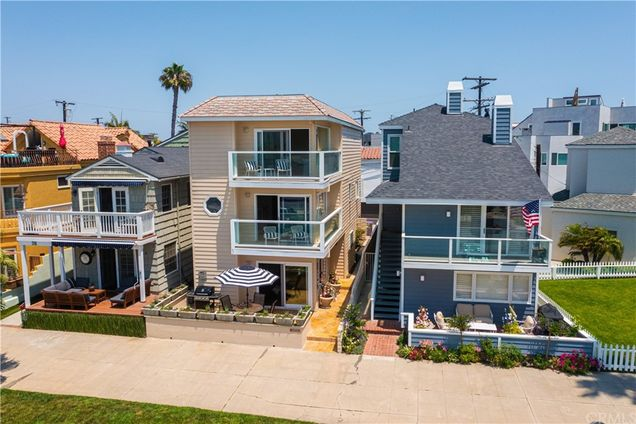
For Long Beach owners of apartment buildings and members of HOA boards, the balcony inspection deadline is in the rearview. Both first compliance deadlines under California’s two balcony inspection laws have passed. The conversation now isn’t about preparing for a deadline. It’s about closing the gap on a deadline that already passed, and managing the exposure that comes with being late.
Long Beach has substantial inventory affected by both laws. The city’s older apartment buildings, mid-century stock along the corridors, and the newer condominium developments downtown and along the waterfront all fall under one law or the other, depending on ownership structure. Here’s what each law requires and where Long Beach owners stand right now.
SB-721: Apartment Buildings With Three or More Units
An SB-721 balcony inspection Long Beach is required on rental apartment buildings with three or more dwelling units. The law covers exterior elevated elements: balconies, decks, exterior stairs, walkways, and the load-bearing components and waterproofing systems that support them. The first compliance deadline was January 1, 2026, after AB 2579 extended the original deadline by one year. That deadline has now passed.
Where civil penalties enter the picture is often misunderstood. Under Health and Safety Code section 17973(i)(2), the $100 to $500 per day civil penalties apply when required repairs are not completed within the 180-day repair window after a notice is issued, not for missing the inspection deadline itself. Getting through the inspection is still the necessary first step. If the inspection identifies repair work and the 180-day window starts running, the daily penalty exposure is real. An SB-721 balcony inspection in Long Beach that identifies issues early gives owners the maximum time to plan the repair work around the window.
Recurring inspections are required every six years from the date of the initial inspection.
SB-326: Condominiums and HOA-Managed Properties
An SB-326 balcony inspection Long Beach applies to condominium developments governed by an HOA under the Davis-Stirling Common Interest Development Act. SB-326 is codified at Civil Code section 5551 and is part of the Davis-Stirling Act. It covers the same exterior elevated elements as SB-721, but the responsibility is with the HOA rather than individual unit owners. The first compliance deadline was January 1, 2025. That deadline also has passed.
SB-326 enforcement runs differently from SB-721. There is no statutory per-diem civil penalty. Enforcement happens through local code enforcement and through Davis-Stirling Act remedies, including the obligations on HOA boards to act on identified safety issues, to integrate findings into the reserve study, and to disclose findings to unit owners and prospective buyers during resale.
Inspector qualifications are stricter under SB-326. Civil Code section 5551 restricts SB-326 inspections to licensed structural engineers and architects, with SB 2114 adding licensed civil engineers to the pool. An SB-326 balcony inspection in Long Beach must therefore be performed by a qualifying licensed professional from one of these three categories of credentials. Recurring inspections are required every nine years.
The Reserve Study Detail HOA Boards Miss
The signature SB-326 detail that gets missed: inspection findings have to be incorporated into the HOA’s reserve study. That makes the SB-326 inspection both a safety compliance document and a financial planning input. Boards that complete the inspection but skip the reserve study integration aren’t fully compliant, and they’re flying blind on the capital needs the inspection identified for the next several years.
What Long Beach Owners Should Do Right Now
For apartment owners with three-plus units that haven’t been inspected, the inspection should be scheduled. If repairs come out of the inspection, the 180-day window determines daily penalty exposure. Starting the clock now allows repairs to be planned around the window rather than into it.
For HOA boards that haven’t completed SB-326: hire a licensed structural engineer, licensed architect, or licensed civil engineer, schedule the open meeting to review the report, distribute the written summary to unit owners within 15 days, and integrate the findings into the next reserve study update.
For investors evaluating Long Beach acquisitions, confirming the SB-721 or SB-326 status of any building before closing is essential.
LA Building Inspections & Compliance handles SB-721 and SB-326 inspections for Long Beach apartment owners, HOA boards, and investors across LA County and Orange County. The firm brings code-fluent inspection work, multifamily compliance depth, and litigation-grade documentation to every engagement. Reports support state compliance documentation, repair planning, and reserve study integration where applicable.