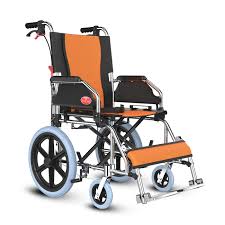
Providing comfortable and safe treatment environments is a top priority for any healthcare facility. For dialysis centers, one of the most important investments is selecting the right seating solution for patients who often spend several hours undergoing treatment. Choosing the best dialysis chairs for clinics is about more than comfort—it directly impacts patient satisfaction, staff efficiency, safety, and long-term operational costs.
Whether you are opening a new dialysis center, upgrading your equipment, or expanding your facility, understanding what to look for in dialysis chairs can help you make a smarter purchasing decision. In this guide, we’ll explore everything you need to know before investing in dialysis seating solutions.
Why Dialysis Chairs Matter
Patients receiving dialysis treatments often remain seated for three to five hours multiple times each week. During these lengthy sessions, discomfort can significantly affect their overall experience.
High-quality dialysis chairs for clinics provide:
- Enhanced patient comfort
- Better treatment compliance
- Improved patient satisfaction scores
- Increased staff efficiency
- Reduced risk of pressure injuries
- Easier patient transfers
Imagine a patient attending dialysis three times per week. If the chair lacks proper cushioning or positioning capabilities, discomfort can quickly become a major issue. On the other hand, a well-designed chair helps create a more positive treatment experience.
Healthcare facilities across the United States are increasingly recognizing that patient-centered care begins with thoughtful equipment choices.
Key Features to Look for in Dialysis Chairs
Not all dialysis chairs are created equal. While basic models may appear similar, important differences can affect both patient care and clinic operations.
Adjustable Positioning
One of the most important features is multiple positioning options.
Look for chairs that offer:
- Upright sitting position
- Trendelenburg positioning
- Full recline capability
- Independent backrest adjustment
- Leg-rest adjustment
These features allow healthcare providers to respond quickly to patient needs during treatment.
Electric Controls
Modern dialysis chairs often include powered adjustments.
Benefits include:
- Easier operation
- Faster patient positioning
- Reduced physical strain on staff
- Improved patient independence
Electric controls are particularly valuable in high-volume clinics where efficiency matters.
Ergonomic Design
Patients spend hours sitting in these chairs.
An ergonomic design should include:
- Lumbar support
- Pressure-distributing cushions
- Contoured seating
- Proper arm positioning
These elements contribute significantly to patient comfort and reduce fatigue.
Understanding Different Types of Dialysis Chairs
Before purchasing, it’s important to understand the available options.
Manual Dialysis Chairs
Manual chairs require staff to adjust positions using mechanical controls.
Advantages:
- Lower initial cost
- Fewer electrical components
- Simple maintenance
Disadvantages:
- More staff effort required
- Less convenient for patients
Powered Dialysis Chairs
Powered chairs use electric motors for adjustments.
Advantages:
- Greater comfort
- Easy operation
- Enhanced patient experience
- Faster positioning
Disadvantages:
- Higher purchase price
- Potential electrical maintenance requirements
Bariatric Dialysis Chairs
Designed specifically for larger patients, bariatric models offer:
- Higher weight capacities
- Wider seating surfaces
- Reinforced frames
- Enhanced stability
As patient populations become more diverse, many facilities are adding bariatric seating options to ensure accessibility for everyone.
Patient Comfort Considerations
Comfort should never be viewed as a luxury. It plays a direct role in treatment satisfaction and patient retention.
Cushion Quality Matters
Poor-quality foam can flatten quickly and create pressure points.
Look for:
- High-density foam
- Medical-grade cushioning
- Pressure-relief technology
- Moisture-resistant materials
Arm Support Design
Dialysis procedures require stable arm positioning.
Well-designed armrests should:
- Provide easy access to treatment sites
- Support patient comfort
- Adjust as needed
- Maintain stability during treatment
Reclining Functionality
Many patients prefer changing positions during treatment.
Premium dialysis recliner chairs allow patients to:
- Sit upright
- Recline partially
- Lie nearly flat
- Adjust positions independently
This flexibility can significantly improve comfort during long sessions.
Safety Features You Should Never Ignore
Safety is one of the most critical factors when selecting dialysis seating.
Emergency Trendelenburg Position
This feature allows patients to be quickly positioned with their feet elevated above their head.
Why is it important?
Dialysis patients may occasionally experience:
- Low blood pressure
- Dizziness
- Fainting episodes
Rapid positioning can help healthcare providers respond effectively during emergencies.
Stable Construction
Look for chairs built with:
- Heavy-duty steel frames
- Anti-tip designs
- Reinforced joints
- Secure locking mechanisms
A stable chair helps prevent accidents and supports patient confidence.
Infection Control Features
Infection prevention remains a major concern in healthcare settings.
Choose chairs with:
- Seamless upholstery
- Antimicrobial surfaces
- Easy-to-clean materials
- Fluid-resistant coverings
These features simplify cleaning and support infection-control protocols.
Staff-Friendly Design Elements
When evaluating dialysis chairs for clinics, don’t focus solely on patient needs. Staff usability is equally important.
Easy Patient Transfers
Patients may have limited mobility.
Helpful features include:
- Lower seat height adjustments
- Swing-away arms
- Transfer-friendly design
- Wide entry access
These features reduce lifting requirements and improve workplace safety.
Simple Controls
Complicated controls can slow workflow.
Look for:
- Intuitive hand controls
- Clearly labeled functions
- Quick position presets
- Easy maintenance access
Mobility Options
Some facilities prefer chairs with locking casters.
Benefits include:
- Flexible room configurations
- Easier cleaning
- Faster equipment relocation
However, stability should never be compromised.
Durability and Maintenance Requirements
A dialysis chair is a long-term investment. Choosing durable equipment can significantly reduce ownership costs.
Frame Quality
The frame is the foundation of the chair.
Preferred materials include:
- Powder-coated steel
- Medical-grade aluminum
- Reinforced welded construction
These materials withstand years of daily use.
Upholstery Durability
Daily cleaning and constant use can wear out low-quality upholstery.
Look for:
- Healthcare-grade vinyl
- Tear-resistant materials
- Chemical-resistant surfaces
- UV-resistant finishes
Warranty Coverage
A strong warranty often reflects manufacturer confidence.
Consider:
- Frame warranty duration
- Motor coverage
- Replacement part availability
- Service support options
Before purchasing, always review warranty details carefully.
Budget vs. Long-Term Value
Many facility managers focus heavily on upfront cost. While budget matters, long-term value is often more important.
For example:
A chair costing $4,000 that lasts 10 years may provide better value than a $2,500 chair requiring replacement after five years.
Consider the total cost of ownership:
- Purchase price
- Maintenance costs
- Repair frequency
- Patient satisfaction impact
- Staff efficiency gains
In many cases, premium dialysis recliner chairs deliver better long-term returns despite higher initial investment.
Common Mistakes to Avoid
Many healthcare facilities make avoidable purchasing mistakes.
Choosing Based Only on Price
The lowest-priced option isn’t always the best value.
Ignoring Patient Feedback
Patients spend the most time in these chairs. Their comfort should be a major consideration.
Overlooking Staff Input
Nurses and technicians interact with chairs daily.
Ask them:
- Which features improve workflow?
- What challenges exist with current equipment?
- What improvements would they like to see?
Skipping Product Demonstrations
Whenever possible, request:
- Product demos
- Trial periods
- On-site evaluations
Hands-on testing often reveals issues that specifications alone cannot identify.
Expert Tips for Choosing the Right Dialysis Chair
After evaluating numerous healthcare seating solutions, industry experts often recommend the following approach:
1. Define Your Patient Population
Consider:
- Average patient age
- Mobility limitations
- Bariatric needs
- Treatment duration
2. Prioritize Safety First
Comfort is important, but safety features should always come first.
3. Focus on Infection Control
Easy-to-clean surfaces save time and support regulatory compliance.
4. Think Long-Term
Choose equipment that will continue meeting your needs for years to come.
5. Compare Multiple Vendors
Don’t settle for the first option you see.
Request:
- Product specifications
- Warranty information
- Customer references
- Service agreements
A thorough comparison often leads to better purchasing decisions.
Frequently Asked Questions
What is the difference between a dialysis chair and a regular recliner?
Dialysis chairs are specifically designed for medical treatments. They include safety features, treatment positioning options, infection-control materials, and enhanced durability that standard recliners typically lack.
Are powered dialysis chairs worth the extra cost?
For many facilities, yes. Powered chairs improve patient comfort, reduce staff workload, and allow quicker adjustments during treatment sessions.
How long do dialysis chairs typically last?
High-quality dialysis chairs can last between 7 and 15 years depending on usage, maintenance, and construction quality.
What weight capacity should a dialysis chair support?
Standard models often support 300–500 pounds, while bariatric chairs can accommodate significantly higher capacities. Choose based on your patient demographics.
How important is Trendelenburg positioning?
Very important. This feature helps staff respond quickly to hypotensive episodes and other medical situations that may occur during dialysis treatment.
Conclusion
Selecting the right dialysis chairs for clinics is a critical decision that affects patient comfort, clinical efficiency, safety, and long-term operational success. While it may be tempting to focus solely on price, factors such as ergonomic support, powered adjustments, infection control, durability, and emergency positioning capabilities should carry equal weight.
The best facilities invest in seating solutions that improve both patient and staff experiences. By carefully evaluating your needs, comparing manufacturers, and prioritizing quality over short-term savings, you can choose dialysis recliner chairs that deliver reliable performance for years to come.
If you’re planning a clinic upgrade or launching a new dialysis center, take the time to assess your requirements thoroughly. The right chair isn’t just furniture—it’s an essential part of delivering exceptional patient care.