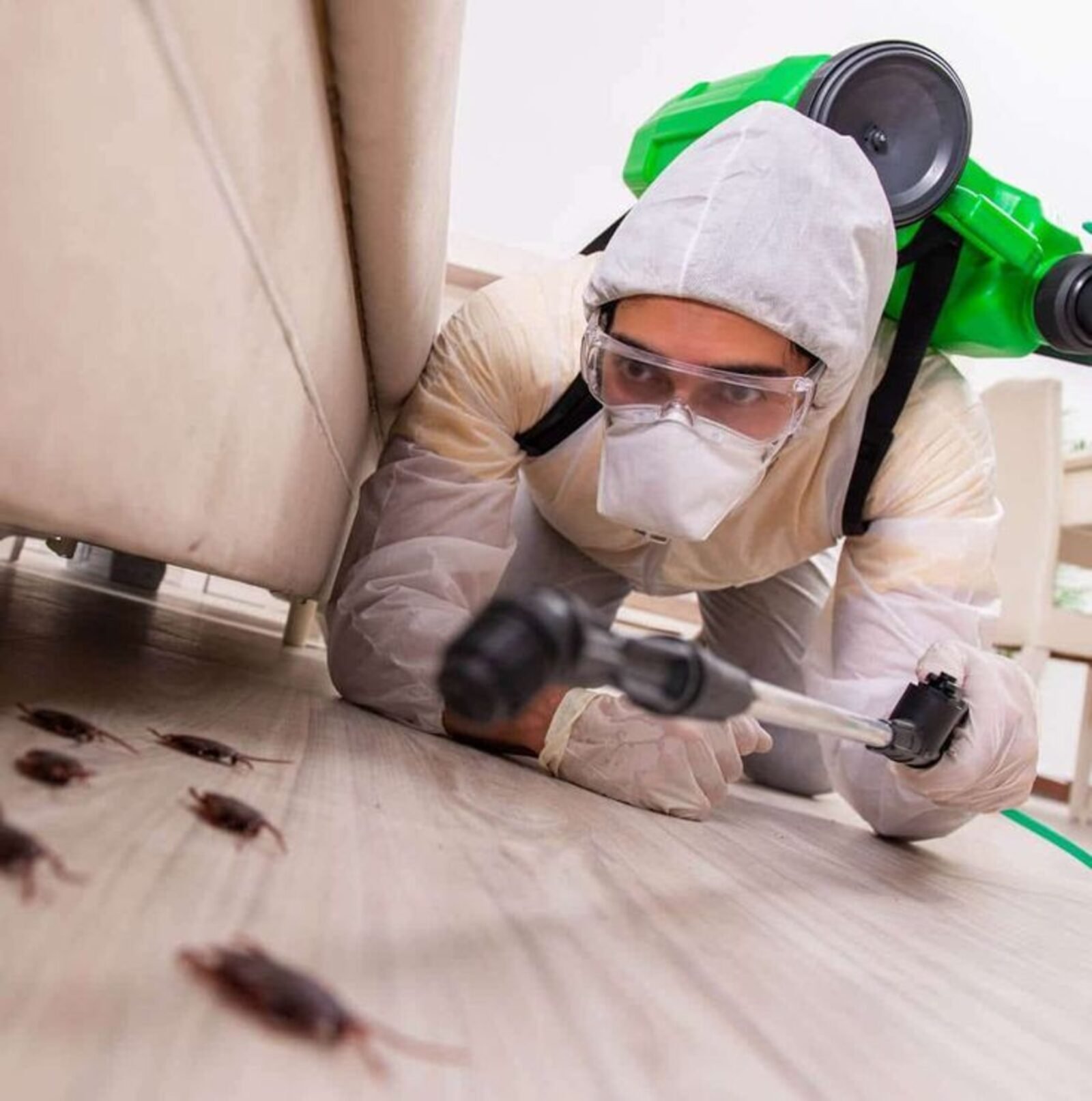
Cockroaches are among the most persistent household pests found throughout Canada. These insects are highly adaptable and capable of surviving in a wide range of environments. While many homeowners may only notice a few cockroaches, the visible insects often represent a much larger hidden population. Because cockroaches prefer dark and protected areas, infestations frequently become established before they are detected.
Effective Cockroach Control is essential for maintaining a healthy and comfortable living environment. These pests can contaminate food, spread bacteria, and create sanitation concerns within homes and businesses. Understanding their behavior and implementing preventive measures can help homeowners reduce infestation risks and maintain better indoor conditions.
Why Cockroaches Enter Homes
Cockroaches enter homes seeking food, water, warmth, and shelter. Residential properties provide all of these resources, making them attractive environments for infestation.
Food crumbs, grease residue, pet food, and improperly stored groceries are common attractants. Moisture from leaking pipes, sinks, and condensation creates additional opportunities for survival.
Once cockroaches find suitable conditions, they establish nesting areas and begin reproducing. Their ability to adapt allows them to thrive in both small apartments and large residential properties.
Understanding what attracts cockroaches is one of the first steps toward successful prevention.
Common Cockroach Species Found in Canada
Several cockroach species are commonly encountered throughout Canada.
German cockroaches are among the most widespread household pests. They reproduce rapidly and often infest kitchens, restaurants, apartments, and food preparation areas.
American cockroaches are larger and are commonly found in basements, utility spaces, and commercial environments.
Oriental cockroaches prefer damp locations such as crawl spaces, drains, and moist basements.
Brown-banded cockroaches tend to occupy warmer and drier areas, including cabinets, furniture, and storage spaces.
Correct species identification helps determine the most appropriate treatment and prevention methods.
Understanding Cockroach Behavior
Cockroaches are primarily nocturnal insects. They spend daylight hours hidden in cracks, crevices, wall voids, and other protected areas before emerging at night to search for food and water.
These insects prefer environments where they can remain hidden while maintaining easy access to resources. Their flattened bodies allow them to squeeze through very narrow openings.
Cockroaches communicate through chemical signals that help them locate food sources and establish nesting locations. This behavior contributes to the rapid growth of infestations.
Because much of their activity occurs out of sight, infestations often go unnoticed until populations become significant.
Signs of a Cockroach Infestation
Early detection is important for successful pest management.
One common sign is seeing live cockroaches, especially during daytime hours. Since cockroaches usually avoid light, daytime sightings may indicate a larger infestation.
Small dark droppings are another common indicator. These are often found inside cabinets, beneath appliances, and near food storage areas.
Egg capsules, shed skins, and unpleasant odors may also signal infestation. Larger infestations sometimes produce a noticeable musty smell.
Recognizing these warning signs early supports more effective Cockroach Control efforts.
Health Concerns Associated With Cockroaches
Cockroaches are more than just nuisance pests. They can affect household hygiene and indoor environmental quality.
As they move through garbage areas, drains, and contaminated surfaces, cockroaches may spread bacteria and other contaminants. Food preparation surfaces and stored food products can become affected.
Cockroach droppings, shed skins, and saliva may also contribute to allergy symptoms and respiratory irritation in sensitive individuals.
Maintaining a cockroach-free environment supports healthier living conditions for families and occupants.
Why Cockroach Infestations Grow Quickly
Cockroach populations can expand rapidly when favorable conditions exist.
Female cockroaches produce multiple egg cases during their lifetime, and each case may contain numerous developing insects. Access to food, moisture, and shelter allows colonies to grow continuously.
Because cockroaches remain hidden for much of the day, infestations often become established before they are noticed.
Without intervention, populations may spread throughout kitchens, bathrooms, basements, and neighboring units in multi-family buildings.
Food Sources That Attract Cockroaches
Cockroaches are opportunistic feeders capable of consuming a wide variety of materials.
Food crumbs, grease buildup, pet food, pantry items, garbage, and even organic debris can attract cockroaches. Small amounts of food left behind on countertops or floors may be enough to support a population.
Maintaining proper sanitation significantly reduces available food resources.
The less food that is accessible, the less attractive the environment becomes for cockroaches.
The Importance of Kitchen Hygiene
Kitchens are among the most common infestation locations because they provide food, water, and shelter.
Countertops should be cleaned regularly to remove crumbs and spills. Appliances should be moved periodically so hidden debris can be removed.
Food products should be stored in sealed containers whenever possible. Garbage should be disposed of regularly and stored in tightly closed containers.
Consistent kitchen hygiene supports long-term prevention efforts.
Managing Moisture Sources
Water is essential for cockroach survival. Even small leaks can support infestation growth.
Homeowners should inspect plumbing systems regularly for leaks beneath sinks, behind appliances, and around water fixtures. Standing water should be eliminated whenever possible.
Improving ventilation in kitchens, bathrooms, and basements helps reduce humidity levels that may attract cockroaches.
Moisture control plays a key role in effective pest prevention.
Sealing Entry Points Around the Home
Cockroaches can enter through cracks, gaps, and openings around structures.
Utility penetrations, damaged weather stripping, foundation cracks, and gaps beneath doors often provide easy access.
Sealing these openings helps prevent new infestations and supports broader pest management efforts.
Regular inspections help identify vulnerabilities before they become significant problems.
Outdoor Conditions That Encourage Cockroaches
The area surrounding a home influences indoor pest activity.
Wood piles, mulch beds, dense vegetation, garbage storage areas, and accumulated debris provide shelter for cockroaches. These environments allow populations to establish close to residential structures.
Maintaining a clean and organized exterior reduces pest pressure and limits opportunities for infestation.
Outdoor maintenance complements indoor prevention measures.
Why DIY Treatments Often Fail
Many homeowners attempt to manage infestations using store-bought sprays and insecticides.
While these products may eliminate visible insects, they often fail to reach hidden populations located inside walls, cabinets, and structural voids.
Treating only the cockroaches that are seen does not address nesting sites or egg cases. As a result, infestations frequently return.
Comprehensive management requires addressing the entire population and the conditions supporting it.
Professional Cockroach Management Services
Professional pest management specialists provide expertise that improves treatment success.
Detailed inspections help identify species, locate nesting areas, and evaluate environmental conditions contributing to infestation.
Customized treatment plans target active populations while addressing long-term prevention needs.
For severe or recurring infestations, professional assistance often provides the most reliable and lasting results.
Long-Term Prevention Strategies
Successful cockroach management requires ongoing effort rather than a one-time treatment.
Regular cleaning, moisture management, structural maintenance, and routine inspections all contribute to long-term protection.
Homeowners should remain alert for signs of activity and address small concerns before they become major infestations.
A proactive approach helps maintain a cleaner and healthier living environment.
Integrated Pest Management for Cockroaches
Integrated pest management combines sanitation, exclusion, monitoring, habitat modification, and targeted treatments into a comprehensive strategy.
Rather than focusing solely on eliminating visible insects, this approach addresses the environmental factors that support infestation growth.
Integrated solutions provide sustainable results and reduce the likelihood of recurring problems.
This method remains one of the most effective approaches to long-term pest management.
Frequently Asked Questions
1. What attracts cockroaches into homes?
Food, water, warmth, shelter, grease residue, crumbs, and moisture are the primary attractants.
2. Are cockroaches harmful?
Cockroaches can contaminate food, spread bacteria, and contribute to allergy and respiratory concerns.
3. How quickly do cockroaches reproduce?
Many cockroach species reproduce rapidly, allowing infestations to grow significantly within a short period.
4. Can I eliminate cockroaches myself?
Small infestations may be reduced through sanitation and prevention, but larger infestations often require professional assistance.
5. How can I prevent cockroaches from returning?
Maintain cleanliness, eliminate moisture sources, seal entry points, store food properly, and inspect your home regularly.
Conclusion
Cockroaches are resilient pests that can quickly become a serious household problem when favorable conditions exist. Understanding their behavior, recognizing infestation signs, and implementing preventive measures are essential for effective management. Through proper sanitation, moisture control, structural maintenance, and ongoing monitoring, homeowners can significantly reduce cockroach activity and protect their living spaces. For trusted pest management solutions and long-term protection throughout Canada, homeowners can rely on My Pest Exterminator for professional support and dependable service.