Have you ever woken up to find mysterious droppings in your kitchen cupboards? Perhaps you’ve noticed strange scratching sounds coming from your walls at night? Or maybe you’ve spotted a trail of ants marching across your benchtop like they own the place? If any of these scenarios sound familiar, you’re certainly not alone.
Pest infestations are a reality that most Australian property owners will face at some point. From the scorching summers that drive insects indoors to the mild winters that allow pests to thrive year-round, our climate creates perfect conditions for unwanted visitors. What’s more, these uninvited guests don’t discriminate they’ll happily set up home in a modest unit or a sprawling estate.
We will explore everything you need to know about protecting your property from pests. You will discover the most common culprits, understand the genuine risks they pose, and learn why professional pest control services are often the smartest investment you can make. Plus, we’ll share practical prevention strategies to keep your home or business pest-free for the long haul.
Understanding Common Pest Control Problems in Australian Homes and Businesses
The Most Frequent Household Pests You’ll Encounter
Australia is home to some truly impressive wildlife, but not all of it belongs inside your property. Cockroaches top the list as one of the most common household pests, with species like the German and Australian cockroach thriving in our warm climate. Termites come a close second, causing billions of dollars in property damage across the country each year.
Rodents, including rats and mice, are another frequent problem, particularly in urban areas. Ants, spiders, and bed bugs round out the usual suspects. Each of these pests brings its own set of challenges and requires specific treatment approaches.
Seasonal Pest Patterns: When Are Infestations Most Likely?
Understanding seasonal patterns helps you stay one step ahead. Summer brings increased activity from ants, flies, and mosquitoes seeking water and shelter from the heat. Autumn often sees rodents looking for warm places to nest as temperatures drop.
How Do Pests Get Into Your Home in the First Place?
Pests are remarkably resourceful when it comes to finding entry points. Gaps around pipes, cracks in foundations, and poorly sealed doors create open invitations. Even the tiniest opening a mouse can squeeze through a gap the size of a pencil provides access.
The Hidden Dangers of Ignoring Pest Infestations
Health Risks Associated with Common Pests
Beyond being a nuisance, pests pose genuine health threats. Cockroaches spread bacteria like Salmonella and E. coli, contaminating food preparation surfaces. Rodent droppings can trigger allergies and asthma, particularly in children.
Mosquitoes carry diseases including Ross River virus and dengue fever. Even seemingly harmless ants can contaminate food stores. Ignoring these risks puts your family’s health on the line.
Structural Damage: How Pests Can Destroy Your Property
Termites are infamous for their destructive capabilities, silently munching through timber framing and support structures. By the time you notice visible damage, significant structural compromise may have already occurred.
Rodents gnaw constantly to wear down their ever-growing teeth, chewing through electrical wiring, plumbing, and insulation. This behaviour creates fire hazards and water damage risks. The financial impact of untreated infestations often far exceeds the cost of professional intervention.
What Happens If You Leave a Pest Problem Untreated?
Small problems become big ones remarkably quickly. A single pair of mice can produce up to 60 offspring in just three months. Cockroach populations can explode seemingly overnight. What starts as an occasional sighting transforms into a full-blown infestation.
DIY Pest Control vs Professional Pest Control Services
Why DIY Methods Often Fall Short
Supermarket sprays and hardware store traps might seem like cost-effective solutions, but they typically address only surface-level problems. These products often kill visible pests while leaving hidden colonies untouched.
DIY treatments also lack the precision of professional methods. Without proper knowledge of pest behaviour and biology, you’re essentially treating symptoms rather than causes. What’s more, improper chemical application can pose health risks to your family and pets.
What Do Professional Pest Control Services Include?
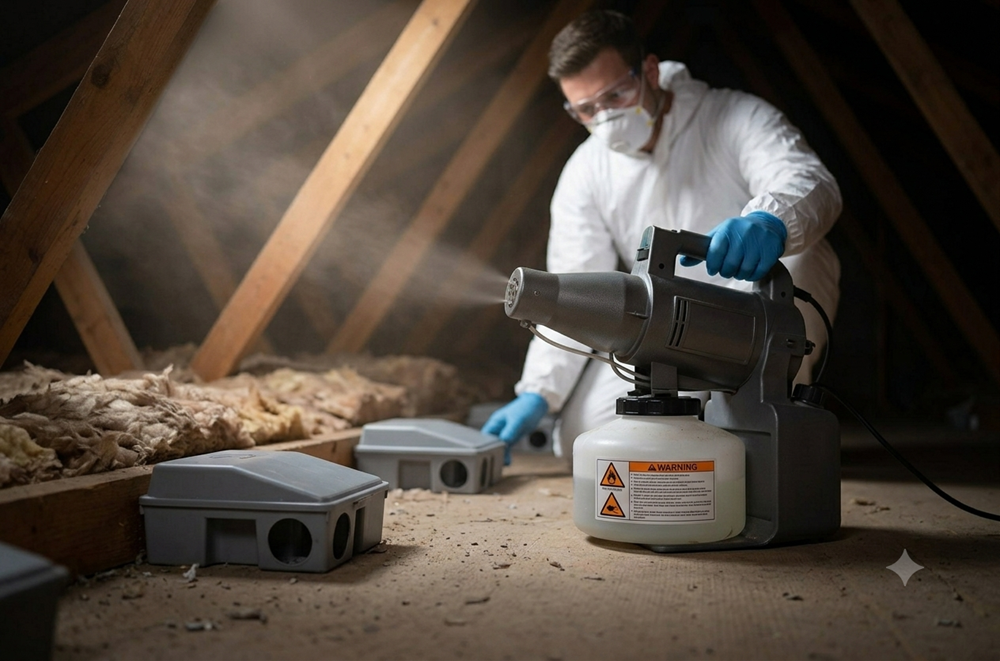
Professional services begin with thorough inspections to identify pest species, entry points, and infestation severity. Technicians then develop tailored treatment plans using commercial-grade products unavailable to the general public.
Treatments typically include:
- Targeted application of baits and treatments
- Sealing of entry points
- Removal of nesting sites
- Follow-up inspections and treatments
- Written reports and warranties
Is Professional Pest Control Worth the Cost?
When you factor in the potential costs of structural repairs, medical treatment, and repeated DIY attempts, professional services represent excellent value. Most reputable companies offer guarantees, providing peace of mind that the job will be done properly.
.png)
Choosing the Right Pest Control Company for Your Needs
What Should You Look for in a Pest Control Service?
Start by verifying licensing and insurance. In Australia, pest controllers must hold appropriate licences to apply certain chemicals. Check for memberships in industry associations like AEPMA (Australian Environmental Pest Managers Association).
Questions to Ask Before Hiring a Pest Controller
Before committing, ask about their treatment methods and the products they use. Enquire about safety precautions, particularly if you have children, pets, or family members with health sensitivities.
How Often Should You Get Pest Control Done?
For most residential properties, annual inspections and treatments provide adequate protection. However, properties in high-risk areas or those with previous infestations may benefit from quarterly visits.
Commercial premises typically require more frequent attention, depending on industry regulations and risk factors. Your pest control provider can recommend an appropriate schedule based on your specific circumstances.
Prevention Services: Keeping Pests Out for Good
Effective Pest Prevention Strategies for Homeowners
Prevention is always better than cure. Keep your property clean and free of food debris. Store pantry items in sealed containers and dispose of rubbish regularly.
How Can I Prevent Pests from Entering My Property?
Seal gaps around doors, windows, and utility penetrations. Install door sweeps and repair damaged screens. Check second-hand items carefully before bringing them inside.
The Role of Regular Inspections in Long-Term Protection
Annual inspections catch problems early when they’re easiest to treat. Professional inspectors use specialised equipment like thermal imaging cameras and moisture meters to detect hidden infestations.
Commercial Pest Control: Protecting Your Business Reputation
Industries Most Vulnerable to Pest Control Problems
Food service, hospitality, and healthcare industries face the highest pest-related risks. Warehouses and retail premises storing goods also require vigilant pest management.
A single pest sighting can devastate your business reputation, particularly in today’s social media environment where negative reviews spread rapidly.
Legal Requirements and Compliance Considerations
Australian businesses must comply with various health and safety regulations regarding pest management. Food businesses face particularly stringent requirements under food safety legislation.
Regular professional pest control services help maintain compliance and provide documentation for health inspections. Non-compliance can result in fines, closures, and lasting reputational damage.
Taking Action to Safeguard Your Property Today
The key takeaway is simple: don’t wait until you have a visible problem. Proactive pest management, including regular inspections and preventative treatments, costs far less than reactive crisis management. Whether you’re a homeowner wanting to protect your family or a business owner safeguarding your reputation, professional pest control services provide the thorough, effective solutions you need.
So, what’s your next step? Reach out to a reputable local pest control company for an inspection. Ask questions, get quotes, and take action before minor issues become major headaches. Your property and everyone in it deserves that protection.