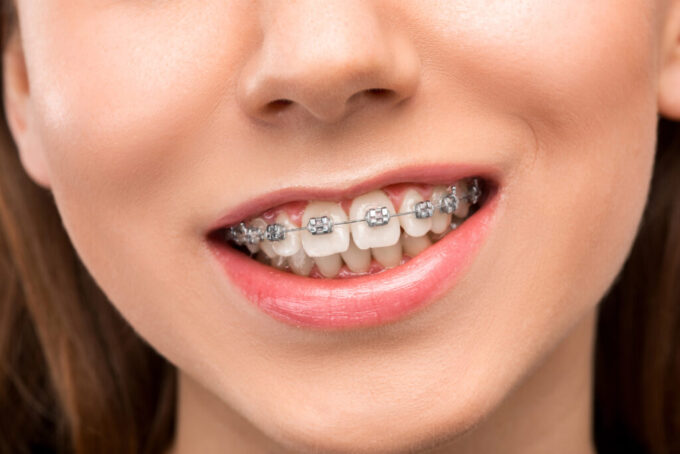
Orthodontic care for children involves timing as much as it does children braces mechanics. The human craniofacial complex undergoes a highly coordinated sequence of skeletal development during childhood. For parents, understanding the biological timeline of dental development is essential for making informed choices about early interceptive orthodontics, commonly known as Phase 1 treatment.
While many associate braces with teenagers, evaluating and managing structural issues early can prevent severe skeletal discrepancies later in life. This clinical analysis explores the biological foundations, diagnostic criteria, and mechanisms of early pediatric orthodontic therapy.
The Biological Timeline: Deciduous to Permanent Dentition
A child’s mouth transitions through three distinct dental phases:
The mixed dentition stage is highly dynamic. As permanent incisors and first molars erupt, the jawbones grow to accommodate larger teeth. During this window, clinicians can evaluate the spatial relationship between the upper maxilla and lower mandible.
The American Association of Orthodontists (AAO) recommends that every child undergo an initial orthodontic evaluation by age 7. By this stage, the first permanent molars have erupted, establishing the posterior occlusion (back bite). This allows specialized clinicians to identify hidden issues in jaw development and tooth eruption pathways before natural skeletal growth slows down.
Diagnostic Indicators for Phase 1 Interceptive Treatment
Phase 1 treatment does not aim to perfect the braces for kids of every single tooth. Instead, it focuses on modifying skeletal growth and clearing structural obstacles to allow normal permanent tooth eruption. Key clinical indications for early intervention include:
1. Severe Skeletal Discrepancies
When a child presents with a significant Class II (severe overbite/retrognathic mandible) or Class III (underbite/prognathic mandible) relationship, early growth modification can be highly effective. Clinicians utilize the child’s natural pubertal growth spurt to guide jaw development, using functional appliances to encourage or restrain regional bone growth.
2. Posterior and Anterior Crossbites
A crossbite occurs when the upper teeth sit inside the lower teeth. A posterior crossbite often indicates a narrow maxillary arch. If left untreated during early development, the child may shift their lower jaw to one side to chew, leading to permanent facial asymmetry and uneven wear on joint structures.
3. Impacted and Erupting Teeth
When primary teeth are lost prematurely braces price selangor to trauma or deep decay, adjacent teeth can drift into the open space. This blocks the eruption pathway of the underlying permanent successor teeth, often trapping them within the bone (impaction). Early space maintainers or limited arch wires keep these pathways open, preventing the need for complex surgical extractions down the road.
Rapid Palatal Expander (RPE)
The maxilla consists of two distinct halves joined by a central suture line (the mid-palatal suture). In children, this suture remains soft and unossified. An RPE is anchored to the upper molars, using a gentle screw mechanism to widen the upper jaw over several weeks. This resolves crossbites, creates space for crowded incisors, and improves nasal airflow.
Space Maintainers
These simple fixed appliances hold the position of permanent molars when a primary molar is lost too early. By preventing mesial drift invisible braces dentist (the natural forward movement of teeth), they safeguard the space needed for emerging premolars.
Long-Term Benefits of Early Intervention
Addressing orthodontic issues early provides several clear biological and structural benefits:
-
Reduces Tissue Trauma: Correcting severe anterior flaring (protruding front teeth) significantly reduces the risk of accidental tooth fractures during childhood activities.
-
Simplifies Phase 2 Care: While most children treated in Phase 1 still require full braces later, early treatment resolves complex skeletal issues. This makes Phase 2 faster, simpler, and far less invasive.
-
Avoids Surgical Extractions: Expanding dental braces price arches early creates natural dental space, often avoiding the need to extract permanent teeth or perform jaw surgery later in life.