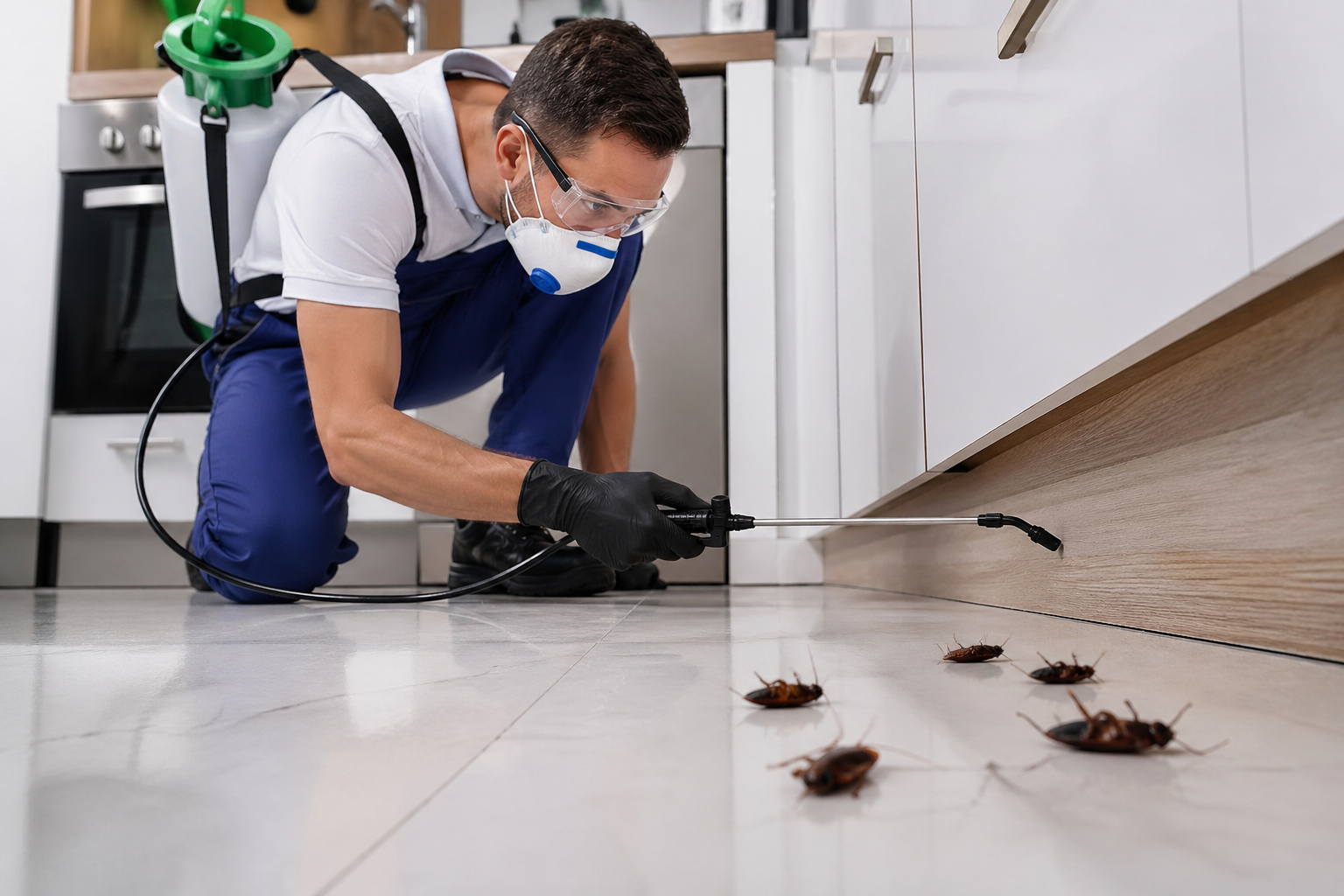
Fleas are one of the most common household pests found in homes across Canada. Although they are tiny, they can quickly become a major problem because they reproduce rapidly and spread throughout the home. These insects usually arrive on pets, wildlife, or secondhand furniture and can hide in carpets, rugs, bedding, upholstered furniture, and floor cracks. Once they settle inside, they are difficult to remove without addressing every stage of their life cycle.
A clean home, regular pet care, and proper preventive measures can significantly reduce the risk of flea infestations. Homeowners who understand where fleas hide and what attracts them are better prepared to keep their homes comfortable and healthy. Preventive maintenance is always more effective than waiting until the infestation becomes severe.
Understanding Fleas
Fleas are small wingless insects that survive by feeding on the blood of animals and sometimes humans. Their flattened bodies allow them to move easily through pet fur, carpets, blankets, and upholstered furniture.
One of the most noticeable characteristics of fleas is their ability to jump long distances. This makes it easy for them to move between pets, furniture, flooring, and other areas of the home.
Although adult fleas are easy to recognize once they appear, most of their life is spent in hidden stages that are difficult to detect.
Why Fleas Are Common in Canada
Many Canadian homes provide excellent conditions for fleas throughout the year.
Indoor heating keeps homes warm even during winter, allowing flea populations to survive regardless of outdoor temperatures. Pets that spend time outdoors may bring fleas inside after visiting parks, gardens, walking trails, or interacting with other animals.
Wildlife including squirrels, raccoons, and rodents may also carry fleas onto residential properties.
These conditions make year-round prevention an important part of home maintenance.
How Fleas Enter Homes
Most flea infestations begin when animals carry them indoors.
Cats and dogs are the most common carriers. Fleas attach themselves to fur and later spread into carpets, pet bedding, furniture, and flooring.
Infested secondhand furniture, blankets, rugs, and stored household items may also introduce fleas into a home.
Wildlife nesting near buildings sometimes contributes to flea activity, especially around crawl spaces, garages, sheds, and attics.
Understanding these entry routes helps homeowners reduce infestation risks.
The Flea Life Cycle
Fleas develop through four stages including egg, larva, pupa, and adult.
Adult fleas lay eggs on host animals, but the eggs usually fall into carpets, furniture, cracks, rugs, and bedding. Larvae feed on organic material before developing into protective cocoons.
The pupal stage is particularly challenging because developing fleas remain protected until conditions become favorable.
Since several life stages may exist at the same time, complete elimination requires patience and consistent management.
Signs of Flea Activity
One of the first warning signs is excessive scratching by pets.
Dogs and cats may bite, lick, or scratch themselves more frequently than usual. Hair loss and irritated skin sometimes develop if infestations continue.
Homeowners may notice tiny jumping insects on carpets or furniture. Small red itchy bites around the ankles and lower legs may also indicate flea activity.
Dark flea dirt found in pet bedding or animal fur is another common sign.
Recognizing these indicators early makes prevention much easier.
Areas Where Fleas Commonly Hide
Fleas spend much of their time hidden within the home environment.
Carpets provide excellent protection for developing eggs and larvae. Upholstered furniture, rugs, pet beds, blankets, floor cracks, and baseboards are also common hiding places.
Rooms where pets sleep usually contain the highest flea activity.
Regular inspections of these locations help identify infestations before they become widespread.
Health Concerns for Families and Pets
Flea bites cause irritation and discomfort for both animals and people.
Some pets develop allergic skin reactions after repeated bites, leading to scratching, inflammation, and hair loss. Severe infestations may also affect the general health of young or vulnerable animals.
Humans may experience itchy bite marks, especially around the feet and ankles.
Maintaining a flea-free environment improves comfort for everyone in the household.
Importance of Pet Care
Healthy pets play a major role in preventing flea infestations.
Regular grooming helps detect fleas before populations become established. Owners should examine their pets after outdoor walks and recreational activities.
Pet bedding should be cleaned frequently to remove eggs and larvae that may be present.
Routine veterinary advice also helps homeowners maintain effective flea prevention throughout the year.
Maintaining a Clean Home
Good housekeeping practices reduce flea populations and improve indoor hygiene.
Vacuuming carpets, rugs, furniture, and corners regularly removes developing flea stages before they mature. Special attention should be given to areas where pets spend the most time.
Bedding, blankets, and washable fabrics should be cleaned using hot water whenever appropriate.
Consistent cleaning interrupts the flea life cycle and supports long-term prevention.
Outdoor Maintenance
The outdoor environment influences flea activity inside the home.
Tall grass, leaf piles, shaded areas, and wildlife habitats create favorable conditions for flea development. Maintaining the lawn and trimming vegetation reduce hiding places.
Removing unnecessary outdoor clutter also discourages wildlife that may introduce fleas onto the property.
Well-maintained landscaping supports healthier pest management.
Limiting Wildlife Access
Wild animals often carry fleas into residential areas.
Homeowners should inspect crawl spaces, garages, sheds, and attic openings for signs of wildlife activity. Closing unnecessary entry points helps prevent animals from nesting near the home.
Proper garbage storage also discourages wildlife from visiting the property.
Reducing wildlife access lowers the chance of future flea infestations.
Proper Storage Practices
Storage areas should remain clean, organized, and dry.
Unused fabrics, blankets, rugs, and pet accessories should be stored in sealed containers whenever possible.
Regular inspections help identify early signs of pest activity before infestations spread to other parts of the home.
Organized storage supports better sanitation and easier monitoring.
Monitoring Your Home
Routine monitoring allows homeowners to identify problems before they become serious.
Pet sleeping areas, carpets, upholstered furniture, and frequently used rooms should be checked regularly.
Observing unusual scratching behavior in pets often provides one of the earliest warning signs.
Prompt action prevents small problems from becoming widespread infestations.
Benefits of Professional Inspections
Professional inspections provide valuable information that homeowners may overlook.
Experienced technicians identify infestation sources, evaluate environmental conditions, and recommend practical prevention strategies.
Instead of treating only visible fleas, professionals focus on correcting conditions that allow infestations to continue.
Comprehensive inspections improve long-term results.
Integrated Pest Management
Modern pest management focuses on prevention, monitoring, sanitation, habitat modification, and targeted treatment strategies.
This balanced approach reduces flea populations while limiting future infestations.
Integrated methods address every stage of the flea life cycle rather than concentrating only on adult insects.
Long-term success depends on combining multiple prevention techniques.
Long-Term Prevention Tips
Protecting a home from fleas requires ongoing attention throughout the year.
Keep pets clean and well groomed.
Vacuum carpets and furniture regularly.
Wash pet bedding frequently.
Maintain outdoor landscaping.
Reduce wildlife activity around the property.
Inspect secondhand furniture before bringing it indoors.
Monitor pets for unusual scratching.
These simple habits greatly reduce future flea problems.
Frequently Asked Questions
1. How do fleas usually enter homes?
Most infestations begin when pets or wildlife carry fleas indoors.
2. Can fleas survive during Canadian winters?
Yes. Heated indoor environments allow fleas to continue their life cycle throughout the year.
3. Where do fleas hide inside the home?
They commonly hide in carpets, rugs, pet bedding, upholstered furniture, floor cracks, and baseboards.
4. Why do pets scratch more during flea infestations?
Flea bites irritate the skin and may trigger allergic reactions that cause excessive scratching.
5. How can homeowners reduce future flea problems?
Maintain regular cleaning, care for pets properly, reduce wildlife activity, inspect the home frequently, and keep indoor spaces clean and dry.
Conclusion
Fleas may be small, but they can quickly become a serious household problem if preventive measures are ignored. Understanding their life cycle, recognizing early warning signs, and maintaining a clean living environment are essential for protecting both families and pets. Regular inspections, good sanitation, proper pet care, and consistent home maintenance all contribute to long-term pest prevention. Homeowners throughout Canada who want reliable guidance and effective pest management solutions can depend on My Pest Exterminator for professional support and lasting protection.