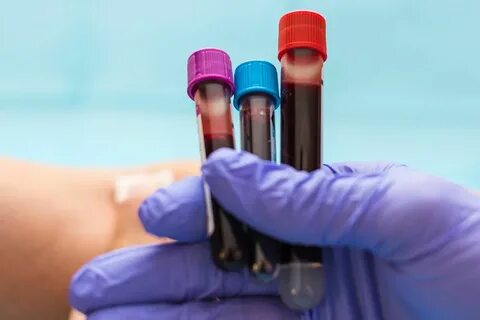
Receiving your blood test report can feel overwhelming, especially when it contains unfamiliar medical terms, abbreviations, and reference ranges. A full blood test is designed to provide a detailed picture of your overall health by evaluating different components of your blood and identifying changes that may require medical attention. While the results may appear complex, understanding the purpose of each measurement makes it much easier to appreciate what your body is telling you.
A Full Blood Test in Dubai is often recommended during routine health assessments, before surgery, when investigating symptoms, or to monitor ongoing medical conditions. It helps healthcare professionals detect infections, nutritional deficiencies, inflammation, blood disorders, metabolic conditions, and problems affecting major organs. Rather than focusing on a single disease, it offers a comprehensive overview of your health.
What Is a Full Blood Test?
A full blood test refers to a collection of laboratory investigations performed using a blood sample. Instead of measuring only one marker, multiple tests are carried out to evaluate different body systems. These investigations may include a Complete Blood Count (CBC), blood glucose measurement, lipid profile, liver function tests, kidney function tests, thyroid function tests, vitamin levels, iron studies, and inflammatory markers.
Each result contributes to a broader understanding of your physical health. When interpreted together with your symptoms, lifestyle, age, and medical history, these findings help healthcare providers make accurate clinical decisions.
Why Do Healthcare Professionals Recommend a Full Blood Test?
A full blood test serves many purposes beyond diagnosing illness. It is an essential tool for preventive healthcare because it can reveal abnormalities before noticeable symptoms develop.
Healthcare professionals commonly request blood testing to:
-
Assess overall wellbeing.
-
Investigate unexplained fatigue or weakness.
-
Detect bacterial or viral infections.
-
Monitor chronic medical conditions.
-
Evaluate cholesterol and cardiovascular risk.
-
Measure blood sugar levels.
-
Check liver and kidney function.
-
Identify vitamin or mineral deficiencies.
-
Monitor medication effectiveness.
-
Support routine health screening.
Regular blood testing allows changes in health to be detected early, making treatment more effective in many situations.
What Information Does Your Complete Blood Count Provide?
The Complete Blood Count is one of the most valuable sections of a full blood test because it measures the blood cells responsible for oxygen delivery, immune protection, and blood clotting.
Red Blood Cells
Red blood cells transport oxygen from the lungs to every tissue in the body.
Low red blood cell levels may indicate:
-
Iron deficiency anemia
-
Vitamin B12 deficiency
-
Folate deficiency
-
Blood loss
-
Chronic illness
Higher-than-normal levels may result from dehydration, lung disease, smoking, or other medical conditions.
Hemoglobin
Hemoglobin is the protein inside red blood cells that carries oxygen throughout the body.
A reduced hemoglobin level often explains symptoms such as:
-
Fatigue
-
Dizziness
-
Shortness of breath
-
Pale skin
-
Reduced exercise tolerance
Monitoring hemoglobin is especially important when evaluating anemia.
White Blood Cells
White blood cells form the body’s natural defense against infections and inflammation.
Different white blood cells perform different functions, including:
-
Neutrophils
-
Lymphocytes
-
Monocytes
-
Eosinophils
-
Basophils
An elevated white blood cell count may suggest infection or inflammation, while lower counts may occur because of viral illnesses, certain medications, or immune disorders.
Platelets
Platelets help stop bleeding by forming blood clots.
Low platelet levels can increase bleeding risk, whereas unusually high levels may increase the likelihood of clot formation. Healthcare providers interpret platelet counts alongside other laboratory findings.
How Are Blood Sugar and Cholesterol Results Interpreted?
A full blood test often includes important metabolic markers that influence long-term health.
Blood Glucose
Blood glucose measures the amount of sugar circulating in your bloodstream.
Higher levels may indicate:
-
Prediabetes
-
Diabetes mellitus
-
Poor glucose control
Maintaining healthy blood sugar reduces the risk of complications affecting the heart, kidneys, eyes, and nerves.
Lipid Profile
The lipid profile measures different types of fats within the blood.
This usually includes:
-
Total cholesterol
-
LDL cholesterol
-
HDL cholesterol
-
Triglycerides
High LDL cholesterol and elevated triglycerides increase cardiovascular risk, while healthy HDL cholesterol helps protect blood vessels.
Healthcare professionals evaluate these markers together when assessing heart health.
What Do Liver and Kidney Function Tests Reveal?
Healthy organs are essential for maintaining normal blood chemistry.
Liver Function Tests
The liver filters toxins, produces proteins, stores nutrients, and supports digestion.
Common liver markers include:
-
ALT
-
AST
-
ALP
-
Bilirubin
-
Albumin
Abnormal values may indicate liver inflammation, fatty liver disease, viral hepatitis, or other liver conditions.
Kidney Function Tests?
Kidneys continuously filter waste products from the bloodstream.
Laboratory assessment usually measures:
-
Creatinine
-
Blood urea nitrogen
-
Estimated glomerular filtration rate
These markers help determine whether the kidneys are functioning efficiently.
Why Are Vitamin and Mineral Levels Important?
A full blood test may include nutritional assessments when deficiency is suspected.
Iron deficiency can contribute to anemia and persistent tiredness.
Vitamin B12 supports healthy nerves and red blood cell production.
Folate plays an essential role in DNA synthesis and cell growth.
Vitamin D contributes to bone strength, immune function, and muscle health.
Detecting nutritional deficiencies early allows timely dietary improvements or supplementation under medical guidance.
Can Thyroid Hormones Affect Your Blood Test Results?
Yes. Thyroid hormones regulate metabolism, energy production, temperature control, and many other body functions.
Thyroid function tests commonly measure:
-
Thyroid stimulating hormone (TSH)
-
Free thyroxine (Free T4)
-
Free triiodothyronine (Free T3)
An underactive thyroid may cause fatigue, weight gain, dry skin, and sensitivity to cold.
An overactive thyroid may lead to weight loss, anxiety, rapid heartbeat, and excessive sweating.
Including thyroid assessment provides a more complete understanding of unexplained symptoms.
How Should You Read Your Blood Test Report?
Every laboratory report contains reference ranges that represent expected values for healthy individuals.
However, results should never be interpreted by looking only at whether a number is slightly above or below the normal range.
Healthcare providers consider:
-
Your age
-
Gender
-
Current medications
-
Medical history
-
Symptoms
-
Lifestyle
-
Previous blood test results
Sometimes a minor abnormality has little clinical significance, while several small changes together may indicate an underlying condition.
Professional interpretation is always recommended.
What Factors Can Influence Blood Test Results?
Several everyday factors can temporarily affect laboratory findings.
These include:
-
Recent illness
-
Stress
-
Exercise
-
Dehydration
-
Pregnancy
-
Certain medications
-
Alcohol consumption
-
Smoking
-
Fasting status
Following preparation instructions carefully helps improve the accuracy of your results.
What Happens If Your Results Are Outside the Normal Range?
Abnormal blood test results do not automatically mean you have a serious illness.
Depending on your results, your healthcare provider may recommend:
-
Repeat testing
-
Additional laboratory investigations
-
Imaging studies
-
Lifestyle modifications
-
Nutritional advice
-
Medication adjustments
-
Specialist referral
The goal is to identify the cause of the abnormal findings and develop an appropriate management plan.
How Can You Maintain Healthy Blood Test Results?
Many blood markers improve with healthy lifestyle choices.
Helpful habits include:
-
Eating a balanced diet rich in vegetables, fruits, whole grains, and lean protein.
-
Exercising regularly.
-
Maintaining a healthy body weight.
-
Drinking adequate water.
-
Getting sufficient sleep.
-
Managing stress.
-
Avoiding tobacco products.
-
Limiting processed foods and added sugars.
-
Following prescribed medical treatment when necessary.
Long-term consistency has a greater impact than short-term changes before testing.
Frequently Asked Questions
Should I worry about one abnormal blood result?
Not always. Many results are influenced by temporary factors or require comparison with other laboratory values. Your healthcare provider will interpret the findings in context.
Can a full blood test detect every disease?
No. Although it provides valuable diagnostic information, additional tests may be required to diagnose specific medical conditions.
How often should blood tests be performed?
The frequency depends on your age, medical history, family history, symptoms, and existing health conditions. Routine preventive health assessments often include periodic blood testing.
Can lifestyle changes improve future blood test results?
Yes. Healthy eating, physical activity, weight management, hydration, and appropriate medical care can positively influence many laboratory markers over time.
Final Thoughts:
A full blood Lab tests is much more than a collection of numbers on a laboratory report. It provides meaningful insights into your blood cells, organ function, immune response, cholesterol levels, blood sugar, nutritional status, and overall wellbeing. Understanding what each section measures helps you become a more informed participant in your healthcare journey.
While blood test results offer valuable information, they should always be interpreted alongside your symptoms, medical history, and clinical examination. Regular health screening, combined with healthy lifestyle choices and ongoing medical guidance, allows potential health concerns to be detected early and managed effectively, supporting better health today and in the future.