For patients who require long-term nutritional support and cannot eat or swallow safely, Tube feeding at home in Dubai offers a practical and comfortable solution that allows ongoing care without prolonged hospitalization. With assistance from experienced healthcare professionals and a Doctor at Home, patients receive personalized medical supervision, routine assessments, and nutritional management while remaining in familiar surroundings. Learning how to care for a PEG tube at home helps patients and caregivers maintain safe feeding practices, reduce complications, and support a smoother recovery with greater confidence.
What Is a PEG Tube:
A Percutaneous Endoscopic Gastrostomy (PEG) tube is a feeding tube that is placed directly into the stomach through the abdominal wall using a minimally invasive endoscopic procedure. It is recommended for individuals who cannot safely swallow food or liquids for an extended period but still have a functioning digestive system. Unlike temporary nasogastric tubes, PEG tubes are designed for long-term nutritional support and provide a secure, comfortable method of delivering liquid nutrition, hydration, and prescribed medications directly into the stomach.
Who May Need a PEG Tube:
Healthcare providers recommend PEG tube feeding for patients who require prolonged nutritional support because oral feeding is no longer adequate or safe. Individuals who may benefit include:
- Patients recovering from severe strokes.
- Individuals with neurological disorders affecting swallowing.
- People receiving treatment for head and neck cancers.
- Patients with progressive neuromuscular diseases.
- Elderly individuals with chronic swallowing difficulties.
- Patients recovering from major facial or throat surgery.
- Individuals experiencing long-term nutritional deficiencies.
The decision to place a PEG tube is based on careful medical evaluation and each patient’s overall healthcare needs.
How PEG Tube Feeding Works:
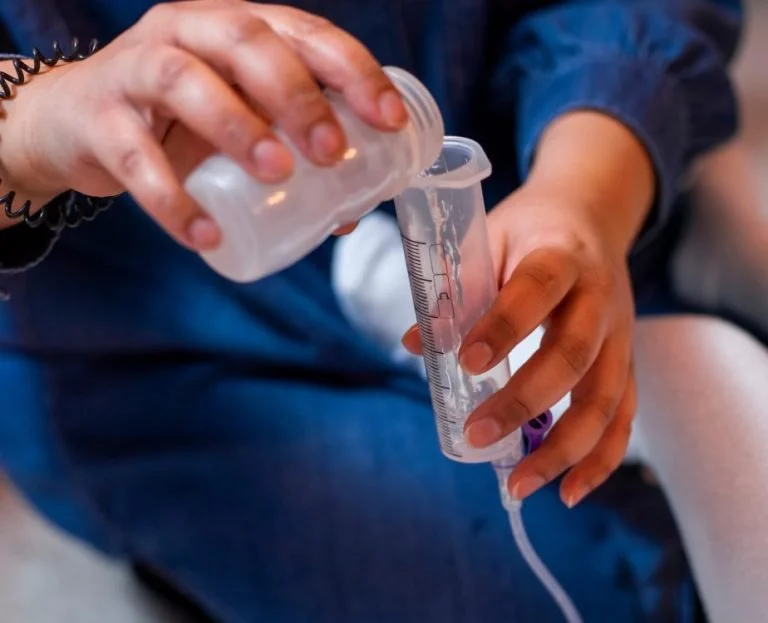
PEG tube feeding involves delivering specially prepared liquid nutritional formulas directly into the stomach through the feeding tube. Depending on the patient’s care plan, feedings may be given using gravity, a syringe, or an electronic feeding pump that regulates the feeding rate. Healthcare professionals determine the appropriate nutritional formula, feeding schedule, hydration requirements, and medication instructions according to the patient’s age, medical condition, digestive function, and nutritional goals. Regular monitoring helps ensure patients receive balanced nutrition while maintaining digestive comfort.
Benefits of PEG Tube Feeding at Home:
Receiving PEG tube feeding at home provides numerous physical, emotional, and practical advantages for both patients and caregivers. Some of the most important benefits include:
- Consistent nutritional support for long-term recovery.
- Greater comfort in a familiar home environment.
- Reduced need for extended hospital stays.
- Lower exposure to hospital-acquired infections.
- Personalized feeding schedules based on medical needs.
- Increased family involvement in patient care.
- Improved quality of life through individualized healthcare.
These benefits allow patients to continue treatment while maintaining comfort and independence at home.
Daily PEG Tube Care:
Daily care of a PEG tube is essential for preventing infection and ensuring proper tube function. Caregivers should wash their hands thoroughly before handling the feeding tube, clean the skin around the insertion site according to medical instructions, and inspect the area for redness, swelling, drainage, or irritation. Feeding tubes should be flushed with clean water before and after each feeding or medication administration to reduce the risk of blockages. Maintaining clean feeding equipment and following recommended hygiene practices contributes significantly to safe long-term nutritional care.
Safe Feeding Practices:
Following proper feeding techniques helps maximize nutritional benefits while minimizing complications. Important safety practices include:
- Position the patient upright before feeding begins.
- Keep the head elevated during feeding.
- Maintain an upright position for at least 30 to 60 minutes afterward.
- Administer feedings at the prescribed rate.
- Flush the tube before and after feedings.
- Use only prescribed nutritional formulas.
- Store feeding supplies according to healthcare recommendations.
Careful adherence to these guidelines promotes safe digestion and improves patient comfort.
Monitoring for Possible Complications:
Although PEG tubes are considered safe and reliable for long-term nutritional support, caregivers should monitor patients for potential complications. Warning signs may include tube blockage, leakage around the insertion site, redness, swelling, unusual pain, fever, nausea, vomiting, diarrhea, constipation, or difficulty tolerating feedings. Early recognition of these symptoms allows healthcare professionals to provide prompt treatment and adjust the feeding plan when necessary, reducing the likelihood of more serious medical problems.
The Role of Healthcare Professionals:
Successful PEG tube feeding at home depends on continuous support from a multidisciplinary healthcare team. Physicians assess the patient’s medical condition, monitor long-term progress, and determine whether nutritional adjustments are needed. Nurses educate patients and caregivers about feeding techniques, tube maintenance, hygiene practices, and complication prevention. Dietitians evaluate nutritional requirements and modify feeding formulas based on changing health conditions. This coordinated care approach helps ensure safe nutritional support while promoting recovery and maintaining overall well-being.
Tips for Family Caregivers:
Family caregivers play an important role in helping patients receive safe and consistent nutritional care at home. Helpful recommendations include:
- Follow feeding schedules exactly as prescribed.
- Keep detailed feeding and hydration records.
- Clean feeding equipment after every use.
- Observe the insertion site every day.
- Report unusual symptoms promptly.
- Attend scheduled follow-up appointments.
- Ask healthcare providers whenever concerns arise.
Proper education and ongoing communication with healthcare professionals help caregivers provide effective daily support while improving patient confidence and comfort.
Final Thoughts
PEG tube feeding at home provides a safe, reliable, and effective solution for patients who require long-term nutritional support because they cannot eat or swallow normally. With individualized feeding plans, proper hygiene, consistent monitoring, and guidance from experienced healthcare professionals, patients can receive complete nutritional care while remaining in the comfort of their homes. Understanding daily PEG tube management and following recommended care practices helps reduce complications, supports recovery, and improves the overall quality of life for both patients and their families.