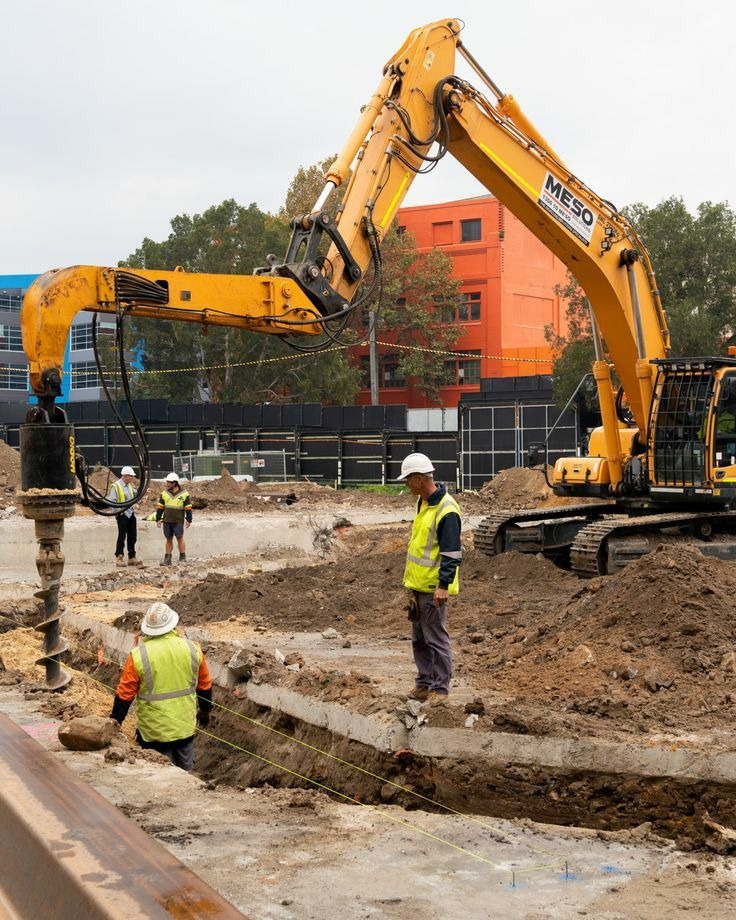
OSHA Certificate in Pakistan: A Complete Guide to Choosing the Right OSHA Course in 2026
Workplace accidents rarely happen because of a single mistake. In many cases, they result from a chain of small oversights such as missing protective equipment, poor hazard awareness, inadequate training, or unclear safety procedures. Whether someone works on a construction site, in a manufacturing plant, or at an oil and gas facility, understanding workplace safety can make a significant difference.
An OSHA Certificate has become one of the most recognized ways for workers, supervisors, and aspiring safety professionals to strengthen their understanding of occupational health and safety principles. In Pakistan, interest in internationally recognized safety training continues to grow as employers place greater emphasis on reducing workplace incidents and promoting a stronger safety culture. This guide explains what OSHA certification involves, who should pursue it, and how to choose the right learning pathway in 2026.
Understanding OSHA and Its Purpose
OSHA stands for the Occupational Safety and Health Administration, a United States government agency established to improve workplace health and safety standards. While OSHA regulations primarily apply within the United States, OSHA-based training programs are widely recognized around the world because they teach practical safety principles that are relevant across many industries.
Rather than focusing solely on compliance, OSHA training encourages people to identify hazards before they become accidents. Participants learn how to recognize unsafe conditions, evaluate workplace risks, and contribute to a safer working environment.
These principles are valuable in industries including:
- Construction
- Manufacturing
- Oil and gas
- Warehousing
- Logistics
- Utilities
- Engineering
- Facility management
Why Workplace Safety Training Matters More Than Ever
Modern workplaces rely on advanced machinery, electrical systems, chemicals, and complex operational procedures. While technology has improved efficiency, it has also introduced new safety challenges.
Without proper training, employees may struggle to:
- Identify workplace hazards
- Use personal protective equipment correctly
- Respond effectively during emergencies
- Report unsafe conditions
- Follow safe work procedures consistently
Consider a simple example.
A newly hired technician begins work at a manufacturing facility. During routine maintenance, he notices a damaged electrical cable but assumes someone else will report it. Later that day, another employee receives an electric shock from the same equipment.
In many organizations, OSHA-based training teaches workers that hazard identification and immediate reporting are everyone’s responsibility. This simple awareness can prevent injuries before they occur.
Who Should Consider an OSHA Certificate?
One of the biggest misconceptions is that OSHA training is only for safety officers.
In reality, people from many professional backgrounds benefit from learning workplace safety practices.
Common learners include:
- Fresh graduates entering industrial sectors
- Construction workers
- Site engineers
- Safety officers
- Supervisors
- Project managers
- Factory employees
- Maintenance technicians
- HSE professionals
- Warehouse personnel
Even office managers responsible for emergency planning and workplace safety procedures can benefit from understanding hazard prevention and risk management.
Different Types of OSHA Training
Not every learner requires the same level of training. OSHA programs are generally designed according to job responsibilities and workplace risks.
OSHA 10-Hour Course
The 10-hour course provides a foundation in workplace safety.
Typical topics include:
- Hazard recognition
- Personal protective equipment
- Electrical safety awareness
- Fire prevention
- Fall protection basics
- Workplace rights and responsibilities
This course is often suitable for workers who are beginning their careers or entering higher-risk industries.
OSHA 30-Hour Course
The 30-hour course explores workplace safety in much greater depth.
It is commonly chosen by:
- Supervisors
- Site managers
- Team leaders
- Safety coordinators
- Engineers
Additional learning areas often include:
- Risk assessment
- Safety management systems
- Incident investigation
- Hazard communication
- Confined spaces
- Machine guarding
- Safety leadership
Skills You Can Develop Through OSHA Training
An effective safety course goes beyond memorizing regulations.
Participants typically strengthen practical skills such as:
Hazard Identification
Recognizing unsafe conditions before they become serious incidents.
Risk Assessment
Understanding how likely a hazard is to cause harm and determining appropriate control measures.
Safe Work Practices
Learning procedures that reduce exposure to workplace hazards.
Emergency Preparedness
Understanding evacuation plans, fire response, and emergency communication.
Safety Communication
Reporting incidents clearly and encouraging safe behaviors among coworkers.
These practical skills remain useful regardless of industry or employer.
Benefits of Earning an OSHA Certificate
People often pursue OSHA training for different reasons depending on their career stage.
Some want to improve workplace knowledge, while others hope to strengthen their professional profile.
Common benefits include:
- Better understanding of workplace hazards
- Increased confidence when working in industrial environments
- Improved awareness of international safety practices
- Enhanced communication regarding health and safety issues
- Greater preparedness for supervisory responsibilities
- Recognition by employers that value safety awareness
Rather than guaranteeing employment, an OSHA qualification demonstrates a commitment to learning recognized workplace safety principles.
Common Topics Covered During Training
Although course content varies by provider, many OSHA-based programs include subjects such as:
Personal Protective Equipment (PPE)
Understanding when and how to use helmets, gloves, eye protection, hearing protection, and respiratory equipment.
Fall Protection
Learning methods to prevent one of the most common causes of serious workplace injuries.
Electrical Safety
Recognizing electrical hazards and applying safe work practices around energized equipment.
Fire Prevention
Understanding fire classifications, extinguisher use, and emergency response procedures.
Hazard Communication
Learning how chemical labels, warning signs, and Safety Data Sheets help workers stay informed.
Material Handling
Reducing injuries related to lifting, transporting, and storing materials safely.
Choosing the Right OSHA Course
Selecting the right training involves more than simply enrolling in the first available program.
Consider several important factors before making a decision.
Verify the Training Provider
Choose organizations with experienced instructors and a clear record of delivering professional safety education.
Review the Curriculum
Ensure the course covers practical workplace scenarios rather than relying only on theoretical concepts.
Instructor Experience
Learning from professionals with real industrial experience often makes complex safety topics easier to understand.
Learning Format
Many institutes now offer:
- Classroom sessions
- Live online training
- Blended learning
- Weekend classes for working professionals
Choose the format that best matches your schedule and learning style.
Certification Process
Understand how assessments are conducted and what documentation participants receive after successfully completing the course.
Mistakes to Avoid When Selecting Safety Training
Choosing a course based solely on convenience can sometimes lead to disappointment.
Instead, avoid these common mistakes.
Ignoring Course Content
A shorter course is not always the better option if it omits essential workplace safety topics.
Focusing Only on Completion
The real objective should be developing practical safety knowledge, not simply obtaining a certificate.
Overlooking Instructor Qualifications
Experienced trainers often enrich lessons with real workplace examples that improve understanding.
Not Asking Questions
Good training providers encourage discussion, practical exercises, and scenario-based learning.
Real Workplace Example
Imagine two construction supervisors managing similar building projects.
The first supervisor begins each shift with a brief safety meeting, checks scaffolding, confirms workers are wearing proper protective equipment, and encourages employees to report hazards immediately.
The second supervisor skips daily inspections because deadlines are approaching.
After several weeks, the first project continues without significant incidents, while the second experiences multiple near misses that temporarily halt work.
Although many factors influence workplace safety, consistent hazard awareness and structured safety practices often play an important role in preventing accidents.
How OSHA Knowledge Supports Long-Term Professional Growth
Safety responsibilities are becoming part of many job roles rather than belonging only to dedicated HSE departments.
Engineers increasingly participate in risk assessments.
Supervisors lead toolbox talks.
Project managers monitor safety performance.
Technicians identify hazards during equipment inspections.
As workplaces continue to prioritize prevention, understanding internationally recognized safety practices helps professionals communicate more effectively and contribute to safer operations.
Choosing Quality Training in Pakistan
Finding the right learning environment is just as important as selecting the course itself. If you are considering an OSHA Course in Pakistan, look for institutes that combine experienced instructors, structured learning materials, practical workplace examples, and opportunities to ask questions throughout the training.
Before enrolling, compare several providers rather than making a decision based on advertisements alone. Ask about instructor qualifications, course structure, assessment methods, and the type of learner support available. A well-organized training experience helps participants understand how safety principles apply in real workplaces instead of simply preparing them to complete an assessment.
Frequently Asked Questions
Is an OSHA certificate only useful for construction workers?
No. OSHA-based training is relevant for professionals working in manufacturing, engineering, logistics, warehousing, oil and gas, maintenance, and many other industries where workplace hazards exist.
What is the difference between OSHA 10 and OSHA 30?
The 10-hour course introduces essential workplace safety concepts, while the 30-hour course provides more comprehensive training for supervisors, managers, and professionals with greater safety responsibilities.
Can beginners take OSHA training?
Yes. Many beginners enroll to develop a strong understanding of workplace hazards before starting or advancing their careers.
Does OSHA training include practical examples?
Most quality training providers use real workplace scenarios, case studies, discussions, and hazard identification exercises to improve understanding.
How do I choose a reliable training provider?
Review the instructor’s experience, course curriculum, learning format, participant feedback, and assessment process before enrolling.
Conclusion
Creating safer workplaces begins with knowledge, awareness, and consistent application of good safety practices. OSHA-based training equips learners with practical skills for identifying hazards, reducing risks, and supporting a positive safety culture across different industries.
Whether you are a student exploring career opportunities, an experienced technician seeking to strengthen your knowledge, or a supervisor responsible for workplace safety, choosing the right learning program can help you better understand internationally recognized health and safety principles.
A thoughtfully selected OSHA Certificate program is more than a credential. It is an opportunity to develop practical safety awareness that benefits both individuals and the workplaces where they contribute every day.