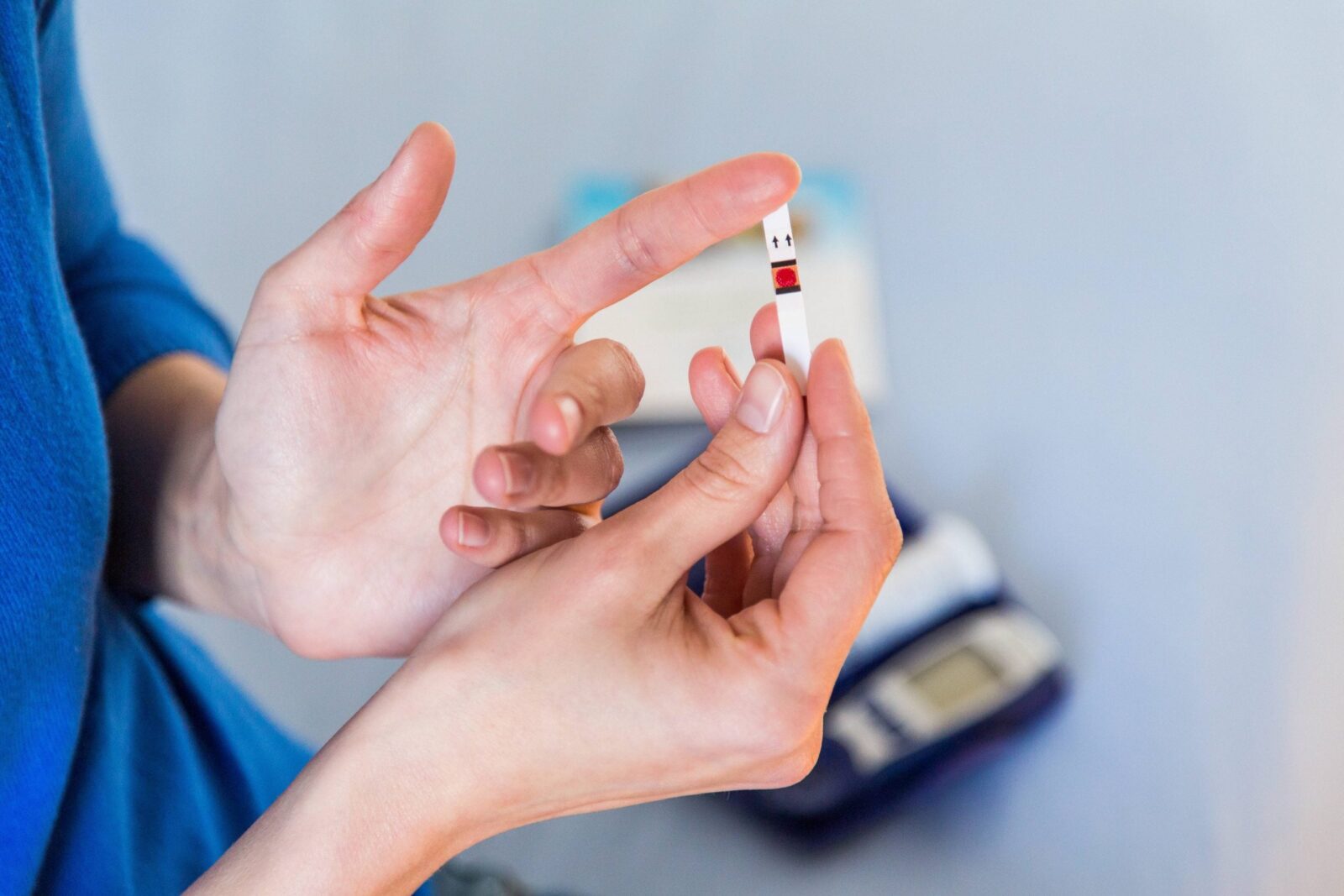
A blood sugar test is one of the simplest yet most powerful tools for understanding your overall health. By measuring the amount of glucose in your bloodstream, this test provides valuable insight into how well your body is processing energy and whether you may be at risk for conditions such as prediabetes or diabetes. Regular Blood Sugar Test Dubai can also help you and your healthcare provider evaluate the effectiveness of treatment plans, lifestyle changes, and medications.
How a Blood Sugar Test Helps Monitor Your Health?
Blood sugar, also known as blood glucose, is the primary source of energy for the body’s cells. After you eat, carbohydrates are broken down into glucose, which enters the bloodstream. The hormone insulin helps move glucose from the blood into cells where it can be used for energy.
When blood sugar levels become too high or too low, it can affect many aspects of your health. A blood sugar test helps detect these imbalances early, allowing for timely intervention and better long-term health management.
What is a blood sugar test?
A blood sugar test measures the concentration of glucose in your blood. It can be performed in a laboratory, healthcare facility, or at home using a glucometer. The test is commonly used to screen for diabetes, diagnose blood sugar disorders, and monitor ongoing glucose control in people living with diabetes.
Common types of blood sugar tests:
Fasting blood sugar test:
This test measures blood glucose after you have not eaten for at least 8 hours. It is often used to screen for diabetes and prediabetes.
Random blood sugar test:
A random blood sugar test measures glucose at any time of day, regardless of when you last ate. It may be used when a person has symptoms of high blood sugar, such as excessive thirst, frequent urination, or unexplained weight loss.
Hemoglobin A1c test:
The HbA1c test measures your average blood glucose level over the past two to three months. It is a valuable tool for assessing long-term blood sugar control and is commonly used in diabetes management.
Oral glucose tolerance test:
This test measures how your body processes glucose over time. After fasting, you drink a sugary solution, and blood sugar levels are checked at intervals. It is often used to diagnose gestational diabetes and evaluate insulin resistance.
How a blood sugar test supports your health?
Detects diabetes and prediabetes early:
One of the most important benefits of a blood sugar test is its ability to identify elevated glucose levels before symptoms become severe. Prediabetes often has no obvious symptoms, but early detection allows individuals to make lifestyle changes that may prevent or delay the onset of type 2 diabetes.
Monitors diabetes management:
For people with diabetes, regular blood glucose monitoring is essential for evaluating how well treatment plans are working. Blood sugar readings can help determine whether medications, insulin therapy, diet, and exercise are effectively maintaining glucose levels within the target range.
Guides treatment adjustments:
Blood sugar test results provide healthcare providers with important information for adjusting treatment plans. If glucose levels are consistently high or low, changes may be needed in medication dosage, meal planning, physical activity, or other aspects of diabetes care.
Helps prevent complications:
Consistently high blood sugar levels can damage blood vessels and nerves over time, increasing the risk of complications such as heart disease, kidney disease, vision problems, and neuropathy. Regular monitoring helps detect patterns of poor glucose control so corrective action can be taken before serious complications develop.
Identifies episodes of low blood sugar:
A blood sugar test can also detect hypoglycemia, or low blood sugar. Symptoms such as shakiness, sweating, confusion, dizziness, and weakness may indicate that glucose levels have dropped too low. Identifying these episodes promptly can help prevent more severe consequences, including fainting or seizures.
Provides insight into lifestyle impact:
Blood glucose readings can reveal how diet, exercise, stress, sleep, and other lifestyle factors affect your blood sugar levels. This information can help you make informed decisions about daily habits and develop strategies for maintaining stable glucose levels.
Understanding blood sugar ranges:
Normal blood sugar ranges can vary depending on the type of test and individual circumstances. The following table provides general reference ranges for adults:
|
Test |
Normal range |
|---|---|
|
Fasting blood sugar |
70–99 mg/dL |
|
Prediabetes fasting range |
100–125 mg/dL |
|
Diabetes fasting range |
126 mg/dL or higher |
|
HbA1c normal range |
Below 5.7% |
|
HbA1c prediabetes range |
5.7%–6.4% |
|
HbA1c diabetes range |
6.5% or higher |
These ranges are general guidelines. Your healthcare provider may recommend different target ranges based on your age, medical history, and overall health.
Who should consider regular blood sugar testing?
Regular blood sugar testing may be beneficial for:
-
People with diabetes or prediabetes.
-
Individuals with a family history of diabetes.
-
Adults who are overweight or obese.
-
People with high blood pressure or high cholesterol.
-
Pregnant women, especially for gestational diabetes screening.
-
Individuals experiencing symptoms such as excessive thirst, frequent urination, unexplained weight loss, or persistent fatigue.
Even people without diagnosed diabetes may benefit from periodic blood sugar testing if they have risk factors for metabolic disorders.
How often should blood sugar be checked?
The frequency of blood sugar testing depends on individual health needs:
-
People without diabetes: Screening may be recommended every few years, especially for those with risk factors.
-
People with prediabetes: Testing may be recommended annually or as advised by a healthcare provider.
-
People with type 1 diabetes: Blood sugar may need to be checked multiple times daily.
-
People with type 2 diabetes: Testing frequency varies depending on treatment, medication use, and glucose control goals.
Your healthcare provider can recommend the testing schedule that is most appropriate for your situation.
How to prepare for a blood sugar test?
Preparation depends on the type of test being performed:
-
Fasting blood sugar test: Avoid eating or drinking anything except water for 8–12 hours before the test.
-
Random blood sugar test: No special preparation is usually required.
-
HbA1c test: Fasting is not necessary.
-
Oral glucose tolerance test: Follow your healthcare provider’s instructions regarding fasting and diet before the test.
Inform your healthcare provider about any medications or supplements you are taking, as some substances can affect blood glucose levels.
Ways to maintain healthy blood sugar levels:
-
Eat a balanced diet: Choose whole grains, lean proteins, healthy fats, fruits, and vegetables while limiting refined sugars and processed carbohydrates.
-
Exercise regularly: Physical activity helps improve insulin sensitivity and supports healthy glucose metabolism.
-
Maintain a healthy weight: Weight management can reduce the risk of insulin resistance and type 2 diabetes.
-
Monitor carbohydrate intake: Understanding how different foods affect blood sugar can help maintain stable glucose levels.
-
Manage stress: Chronic stress can influence blood sugar levels, so relaxation techniques and adequate sleep are important.
-
Follow medical advice: Take prescribed medications as directed and attend regular healthcare appointments.
When to seek medical advice?
Consult a healthcare provider if you:
-
Have consistently high or low blood sugar readings.
-
Experience symptoms of hyperglycemia or hypoglycemia.
-
Have risk factors for diabetes and have not been screened.
-
Notice significant changes in blood sugar patterns despite following your treatment plan.
Prompt medical guidance can help identify underlying causes and prevent potential complications.
Conclusion:
A blood sugar Lab tests is a valuable tool for monitoring your health because it provides important information about how your body processes glucose. Whether used for screening, diagnosis, or ongoing diabetes management, regular blood glucose monitoring can help detect problems early, guide treatment decisions, and reduce the risk of long-term complications. By understanding your blood sugar levels and adopting healthy lifestyle habits, you can take proactive steps toward better metabolic health and overall well-being.
If you are unsure whether you should have a blood sugar test, speak with a healthcare professional. They can assess your risk factors and recommend the most appropriate testing plan for your needs.