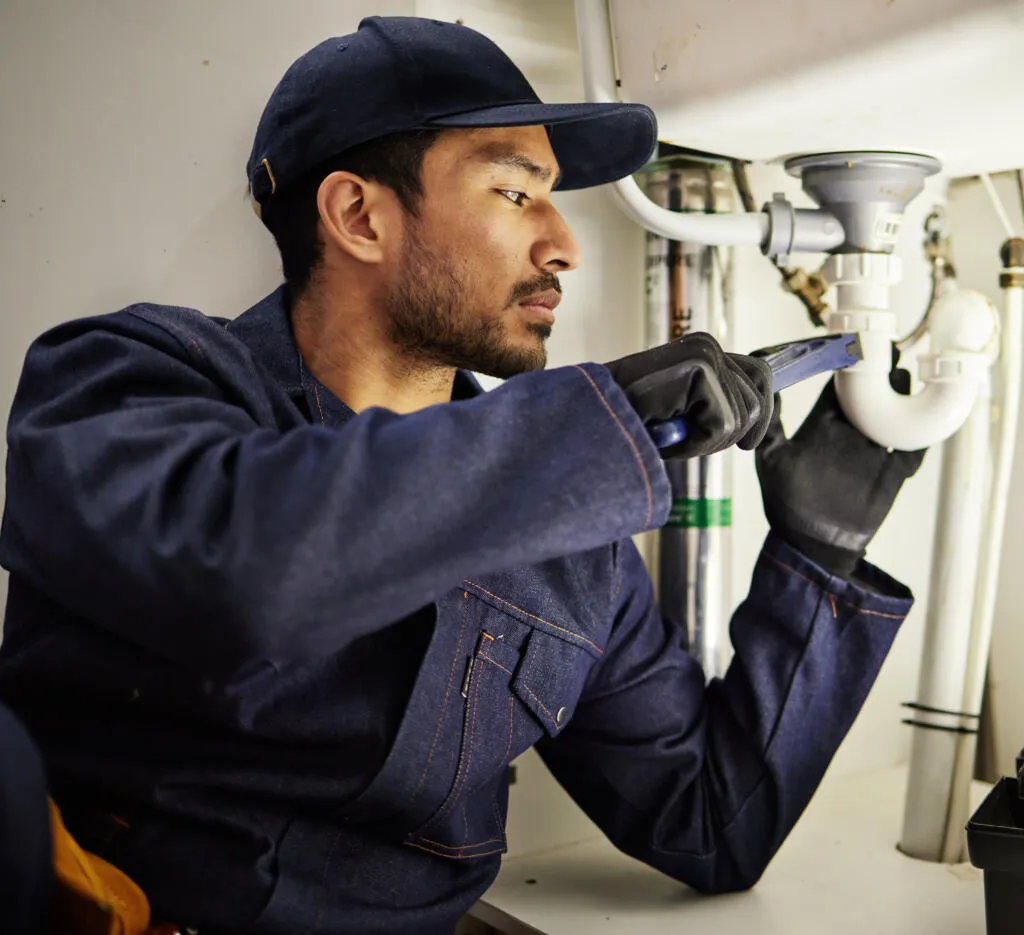
Hidden pipe leaks are one of the most serious plumbing problems a homeowner can face. Unlike visible leaks, hidden leaks often go unnoticed because they develop behind walls, under floors, inside ceilings, or beneath your home’s foundation. While they may start small, these leaks can cause major water damage, mold growth, high water bills, and expensive repairs if they are not found early.
The good news is that hidden pipe leaks usually give several warning signs before they become severe. Learning how to identify these signs can help you protect your home and avoid costly plumbing emergencies.
In this guide, you’ll learn how to detect hidden pipe leaks, what causes them, and how to prevent them from turning into major problems.
Why Hidden Pipe Leaks Are Dangerous
Many homeowners don’t realize they have a plumbing leak until serious damage has already occurred.
A hidden leak can slowly damage:
- Drywall
- Wooden flooring
- Cabinets
- Ceilings
- Insulation
- Home foundations
Constant moisture also creates the perfect environment for mold and mildew, which can affect both your home and indoor air quality.
Detecting leaks early saves money and helps protect your property’s value.
Common Causes of Hidden Pipe Leaks
Understanding why pipe leaks happen can help you prevent future plumbing issues.
Some of the most common causes include:
Aging Pipes
As plumbing systems get older, pipes naturally wear out.
Over time, they may develop:
- Small cracks
- Corrosion
- Rust
- Weak joints
Older homes are especially vulnerable to hidden leaks.
High Water Pressure
Water pressure that is too high puts constant stress on pipes.
Over time, excessive pressure weakens plumbing connections and increases the risk of leaks.
Corrosion
Metal pipes slowly corrode as minerals and chemicals in water react with the pipe material.
Corroded pipes become thinner and eventually develop holes.
Frozen Pipes
Cold weather can freeze water inside pipes.
When water freezes, it expands and places tremendous pressure on pipe walls, causing cracks or bursts.
Poor Installation
Improperly installed plumbing may leak much sooner than professionally installed systems.
Loose fittings and weak joints often become the first areas to fail.
Early Warning Signs of Hidden Pipe Leaks
Recognizing early warning signs allows homeowners to take action before major damage occurs.
1. Higher Water Bills
One of the easiest ways to identify a hidden leak is by monitoring your monthly water bill.
If your water usage has not changed but your bill suddenly increases, there may be water escaping somewhere inside your plumbing system.
2. Water Stains
Brown, yellow, or dark stains on ceilings and walls often indicate water leaking behind the surface.
These stains usually become larger over time.
3. Musty Odors
Persistent damp smells often indicate hidden moisture.
Mold and mildew caused by leaking pipes produce unpleasant odors that remain even after cleaning.
4. Mold Growth
Mold needs moisture to grow.
Unexpected mold around:
- Walls
- Baseboards
- Cabinets
- Ceilings
- Flooring
may indicate a hidden plumbing leak.
5. Low Water Pressure
A damaged pipe can reduce water pressure throughout your home.
If multiple faucets suddenly have weaker water flow, a hidden leak may be responsible.
6. Sounds of Running Water
If you hear water running even when every faucet is turned off, your plumbing system may have a hidden leak.
Listen for:
- Dripping sounds
- Hissing noises
- Running water
- Gurgling
These sounds should never be ignored.
7. Damp Flooring
Soft or wet flooring often indicates water leaking underneath.
Watch for:
- Warped hardwood
- Loose tiles
- Damp carpet
- Soft laminate flooring
These signs may indicate hidden plumbing damage.
Check Your Water Meter
Your water meter can help identify hidden leaks.
Follow these simple steps:
- Turn off every faucet and water appliance.
- Record the water meter reading.
- Wait at least 30 minutes without using any water.
- Check the meter again.
If the reading changes, there is likely a leak somewhere in your plumbing system.
Inspect Common Leak Locations
Certain areas are more likely to develop hidden leaks.
Regularly inspect:
- Under kitchen sinks
- Bathroom cabinets
- Around toilets
- Near water heaters
- Behind washing machines
- Basement plumbing
- Crawl spaces
- Utility rooms
Look for moisture, discoloration, or water stains.
Modern Leak Detection Methods
Professional plumbers use advanced equipment to locate hidden leaks without damaging your home.
Common leak detection tools include:
- Thermal imaging cameras
- Moisture meters
- Acoustic listening devices
- Video pipe inspection cameras
- Pressure testing equipment
These technologies help locate leaks accurately and reduce unnecessary wall or floor removal.
Why Professional Leak Detection Is Important
While homeowners can identify many warning signs, finding the exact source of a hidden leak often requires specialized equipment.
Professional plumbers can:
- Locate hidden leaks quickly
- Prevent unnecessary property damage
- Recommend permanent repairs
- Identify additional plumbing problems
- Reduce repair costs by acting early
If you suspect a hidden leak, professional inspection is often the fastest and safest solution.
How to Prevent Hidden Pipe Leaks
Preventive maintenance is the best defense against plumbing leaks.
Follow these helpful tips:
Schedule Regular Plumbing Inspections
Routine inspections allow plumbers to detect small problems before they become major repairs.
Monitor Water Pressure
High water pressure shortens the life of plumbing pipes.
Consider installing a pressure regulator if pressure remains consistently high.
Repair Small Leaks Immediately
Never ignore:
- Dripping faucets
- Small pipe leaks
- Loose fittings
- Slow drains
Minor plumbing issues often become larger problems over time.
Protect Pipes During Winter
Reduce freezing risks by:
- Insulating exposed pipes
- Keeping indoor temperatures stable
- Disconnecting outdoor hoses
- Sealing cold air leaks
Replace Aging Pipes
If your plumbing system is several decades old, replacing deteriorating pipes may prevent repeated leaks.
Benefits of Early Leak Detection
Finding leaks before they become serious provides many advantages.
These include:
- Lower repair costs
- Reduced water waste
- Better water pressure
- Longer plumbing system lifespan
- Mold prevention
- Improved home safety
- Protection against structural damage
A small investment in preventive maintenance can save thousands of dollars in future repairs.
When to Call a Professional
You should contact a plumbing professional if you notice:
- Constantly increasing water bills
- Water stains on walls or ceilings
- Mold growth
- Damp flooring
- Low water pressure
- Running water sounds with no fixtures in use
- Frequent plumbing leaks
- Cracks in walls caused by moisture
Homeowners experiencing these warning signs often rely on pipe repair columbia professionals to locate hidden leaks, repair damaged plumbing, and prevent further water damage before the problem becomes much more expensive.
Final Thoughts
Hidden pipe leaks can quietly damage your home for weeks or even months before becoming obvious. By paying attention to warning signs such as higher water bills, water stains, mold growth, low water pressure, damp flooring, and unusual plumbing sounds, you can detect leaks early and avoid major repairs.
Regular plumbing inspections, proper maintenance, and quick action when problems appear are the best ways to keep your plumbing system in excellent condition. Protecting your pipes today can help you avoid costly water damage, preserve your home’s value, and ensure your plumbing continues to operate efficiently for years to come.