
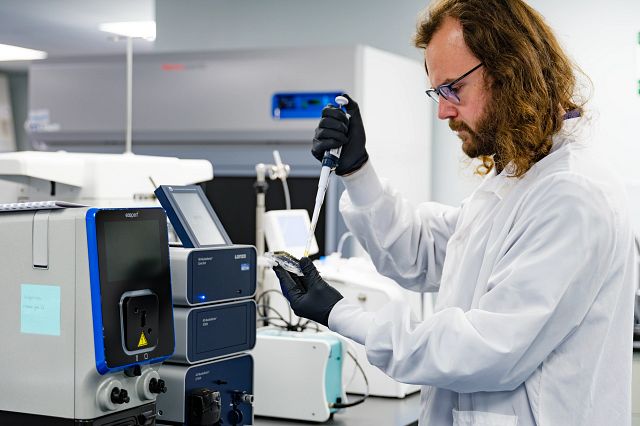
Cell therapies have changed how researchers approach complex diseases such as cancer and rare genetic conditions. According to a 2026 review published in Frontiers in Pharmacology, more than 10,373 cell therapy clinical trials have been conducted worldwide, with oncology representing 56.1% of all studies. This rapid growth has increased the demand for reliable manufacturing processes that can support clinical development without compromising product quality. However, moving a therapy from research to clinical manufacturing is still a demanding process.
Small changes in manufacturing conditions can affect cell quality, safety, and treatment consistency. A well-planned cell therapy process development strategy helps reduce delays, maintain product quality, and support regulatory compliance. At the same time, experienced cell therapy manufacturing services and a reliable CGT manufacturing platform help teams move from laboratory development to clinical production with fewer process risks.
In this post, you will learn 10 practical ways to optimize cell therapy processes for faster clinical manufacturing while improving product quality, process consistency, and regulatory readiness.
Top 10 Ways to Optimize Cell Therapy Process Development for Faster Clinical Manufacturing
The transition from research to clinical manufacturing requires careful planning. Every step affects product quality, manufacturing timelines, and regulatory readiness. These practices can help you improve efficiency without compromising patient safety.
1. Design the Manufacturing Process Early
Many delays happen because manufacturing plans are created after research milestones are completed. Early planning allows you to identify process gaps before they become expensive problems. It creates a stronger foundation for successful cell therapy process development.
Here are the key actions to take during the planning stage:
- Define the target product profile early.
- Identify critical quality attributes (CQAs).
- Map each manufacturing step before laboratory scale-up.
- Select raw materials with long-term availability.
- Build documentation alongside process development.
Early planning reduces the need for repeated process changes later. It helps manufacturing teams prepare for clinical production with greater confidence. A structured plan supports faster regulatory submissions and smoother technology transfer.
2. Standardize Raw Materials
Raw material variability is one of the biggest causes of inconsistent cell therapy products. Different suppliers or material grades can change cell growth, viability, and potency. Standardization improves manufacturing consistency from the beginning.
These practices help reduce material-related variability:
- Use qualified suppliers.
- Create raw material specifications.
- Perform incoming quality testing.
- Maintain supplier change controls.
- Track lot-to-lot consistency.
Consistent materials reduce unexpected manufacturing failures. They also improve reproducibility across clinical batches. This approach supports reliable cell therapy manufacturing services throughout development.
3. Build Scalable Manufacturing Methods
Many laboratory protocols work well only at small scale. Clinical manufacturing requires processes that remain stable as production volumes increase. Scalability should be considered during early development rather than after clinical studies begin.
The below steps support scalable production:
- Select equipment designed for larger batch sizes.
- Reduce manual handling where possible.
- Validate scalable culture systems.
- Standardize process parameters.
- Plan future commercial manufacturing needs.
Scalable methods reduce redevelopment work during later clinical phases. They also shorten the transition between research and manufacturing. This strengthens overall cell therapy process development while reducing production delays.
4. Use Closed Manufacturing Systems
Open processing increases contamination risks and requires additional cleanroom controls. Closed systems help protect cell products throughout manufacturing. They also reduce operator intervention and simplify workflow management.
Here are several ways closed systems improve production:
- Reduce contamination risk.
- Minimize manual transfers.
- Improve process consistency.
- Support aseptic manufacturing.
Closed manufacturing also simplifies operator training. It improves batch reproducibility while supporting regulatory expectations. These improvements make cell therapy manufacturing services more efficient and reliable.
5. Introduce Automation Where Appropriate
Manual manufacturing introduces operator-to-operator variability. Automation improves consistency while reducing repetitive laboratory tasks. It supports higher manufacturing throughput.
The below automation strategies can improve efficiency:
- Automate cell expansion.
- Use automated cell washing systems.
- Introduce electronic batch records.
- Automate sample tracking.
- Integrate digital monitoring systems.
Automation does not replace scientific oversight. Instead, it allows technical teams to focus on process optimization and quality review. A modern CGT manufacturing platform often combines automation with digital process control.
6. Monitor Critical Process Parameters in Real Time
Real-time monitoring allows manufacturing teams to identify process changes before product quality is affected. Continuous data collection supports better process understanding and faster decision-making. It improves manufacturing consistency across batches.
These parameters should be monitored throughout production:
- Temperature
- pH
- Dissolved oxygen
- Cell viability
- Cell density
Real-time process data supports stronger quality control. It also helps teams respond quickly when deviations occur. Better monitoring strengthens cell therapy process development by improving process reproducibility.
7. Build Quality into Every Manufacturing Stage
Quality should not rely only on final product testing. Instead, quality controls should be integrated throughout manufacturing. This approach reduces batch failures and improves patient safety.
These practices support continuous quality management:
- Define in-process quality checkpoints.
- Monitor process deviations.
- Validate analytical methods.
- Maintain detailed documentation.
- Review manufacturing trends regularly.
Continuous quality management reduces unexpected production issues. It also supports regulatory inspections with complete manufacturing records. These practices improve confidence in cell therapy manufacturing services from development through clinical manufacturing.
8. Strengthen Technology Transfer Planning
Technology transfer often creates delays when documentation is incomplete or manufacturing knowledge is not fully shared. A structured transfer process reduces these risks. Good planning also shortens production startup times at manufacturing facilities.
The following activities support successful technology transfer:
- Prepare standardized process documentation.
- Share process risk assessments.
- Train manufacturing personnel.
- Conduct engineering runs.
- Verify equipment compatibility.
Effective knowledge transfer improves manufacturing consistency across sites. It also reduces the chance of process deviations during clinical production. A well-designed CGT manufacturing platform supports smoother collaboration between development and manufacturing teams.
9. Develop Regulatory Documentation Alongside Manufacturing
Regulatory documentation should evolve with process development instead of being created at the end. This approach reduces submission delays and supports stronger data quality. It also improves inspection readiness.
The following documentation should be updated continuously:
- Manufacturing protocols
- Process validation records
- Risk assessments
- Batch records
- Change control documentation
Current documentation simplifies regulatory review. It also reduces the need for last-minute revisions before clinical manufacturing begins. This approach supports efficient cell therapy process development while improving compliance.
10. Work with an Experienced Development and Manufacturing Partner
Many organizations benefit from working with specialized manufacturing experts. External teams often provide established infrastructure, technical expertise, and regulatory knowledge. This reduces development timelines without sacrificing product quality.
When selecting a manufacturing partner, consider the following:
- Scientific expertise
- GMP manufacturing capability
- Regulatory support
- Analytical testing services
- Flexible manufacturing capacity
The right partner can identify manufacturing risks early and recommend practical solutions. Their experience supports efficient clinical manufacturing while maintaining product consistency. An advanced CGT manufacturing platform also provides integrated capabilities that simplify development from process design through clinical production.
Conclusion
Successful clinical manufacturing depends on careful planning, consistent process control, and strong quality systems. Early process design, standardized materials, automation, real-time monitoring, scalable manufacturing, and regulatory readiness all help reduce delays while maintaining product quality. Working with experienced providers that offer advanced cell therapy manufacturing services and a reliable development infrastructure can also improve manufacturing efficiency. Organizations such as Xellera Therapeutics continue to support developers with integrated solutions that help move promising cell therapies toward clinical application with greater confidence.