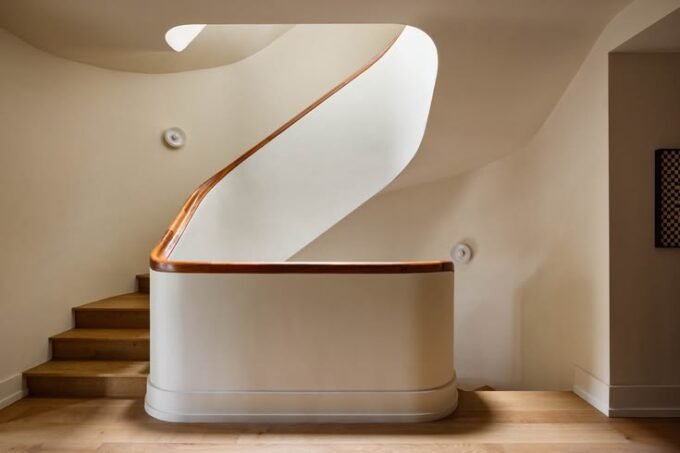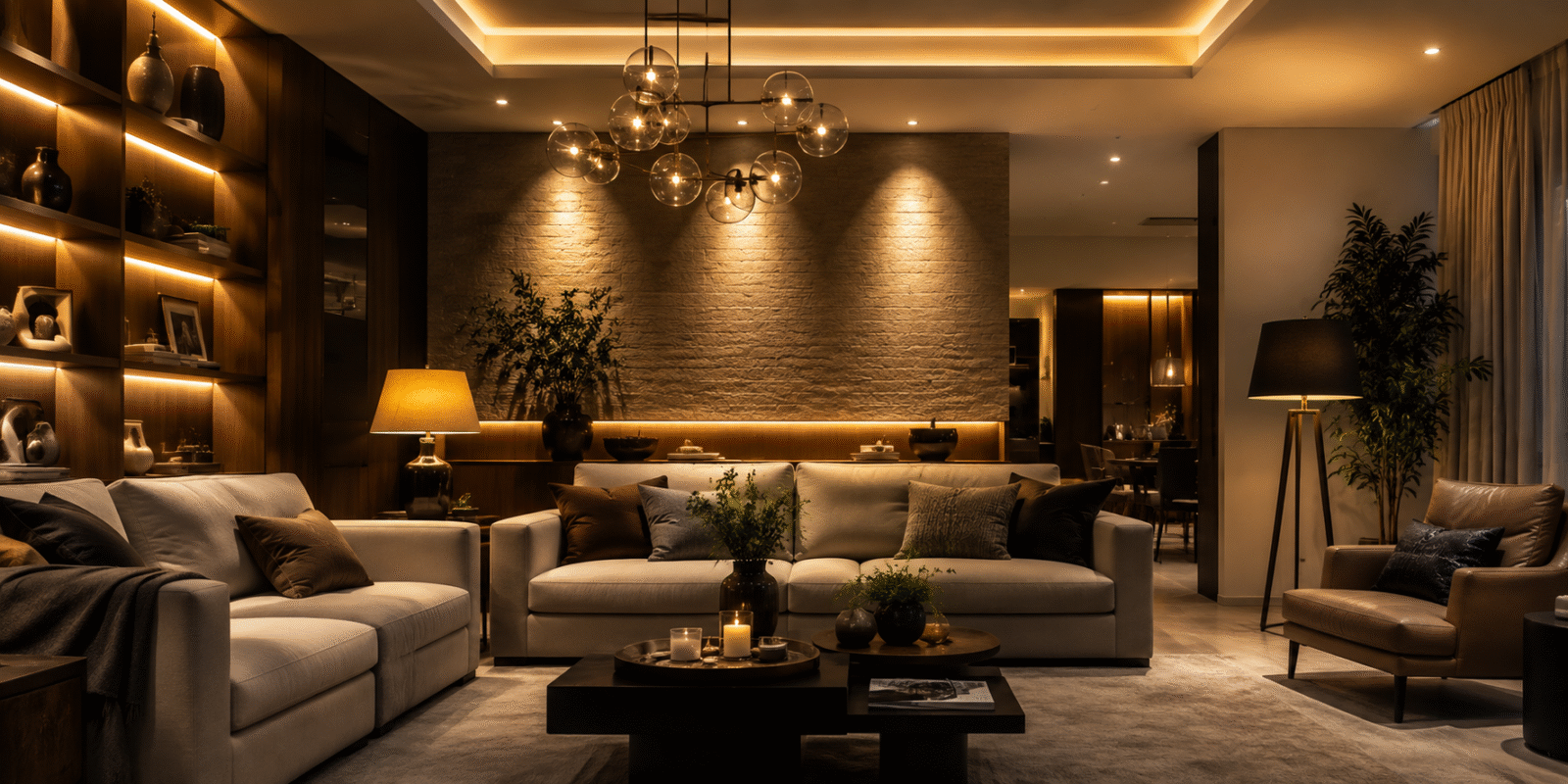
Interior design thrives on the harmony between structural elements and decorative details. Walls represent the largest canvas within any room, shaping the overall atmosphere and character of a living environment. When walls remain bare or unadorned, spaces can feel unfinished, cold, or lacking personality. By integrating carefully chosen accents, homeowners can immediately transform plain vertical surfaces into captivating visual stories that reflect personal taste, warmth, and refined style.
When curating a cohesive interior aesthetic, combining wall accents with complementary lighting decor creates a warm, welcoming ambiance that highlights textures and architectural details throughout the room. Wall sconces, directional spotlights, and ambient fixtures cast gentle illumination across textured artwork, metallic surfaces, and mirrored frames, accentuating their depth and visual presence. Strategic illumination ensures that your chosen wall art comes alive during evening hours, transforming ordinary living spaces into sophisticated sanctuaries of style.
Modern design movements heavily prioritize tactile depth and dimensional elements. Wall decor is no longer restricted to traditional flat paintings in basic frames. Today, homeowners can explore relief sculptures, mixed media panels, carved wooden art, and metallic installations that interact dynamically with daylight and shadow. This multi dimensional approach adds character to residential spaces, allowing walls to serve as vibrant conversation starters rather than silent backgrounds.
The Art of Selecting Wall Decor for Every Room
Selecting the right wall accents requires a thoughtful approach tailored to the specific function and feel of each room. In the living room, which often serves as the social heart of the house, large scale statement art works exceptionally well. A grand oversized canvas positioned above a central sofa or an impressive arrangement of framed art behind a sectional creates an immediate visual anchor. Living room wall art should harmonize with surrounding upholstery colors while introducing enough contrast to stimulate interest.
Bedrooms require a distinctly different design philosophy focused on serenity, rest, and comfort. Wall decor in sleeping quarters should feature soothing color schemes, soft organic shapes, and gentle abstract forms. Hanging a wide, textured wall panel or a series of minimalist framed prints above the headboard adds elegance without overwhelming the room. Soft pastel tones, muted earth shades, and calming botanical prints work best to promote relaxation while keeping the aesthetic refined and uncluttered.
Dining areas offer a wonderful setting for expressive, memorable wall art that enhances dining experiences and encourages engaging conversation. Architectural wall mirrors, dimensional shadow box installations, and grand triptych paintings thrive on dining room walls. Placing a striking mirror opposite a chandelier reflects light across the dining table, creating an enchanting glow during dinner parties and family gatherings.
Understanding Scale and Placement in Wall Art Styling
Achieving professional interior design results depends heavily on mastering scale, proportion, and accurate placement. One of the most common decorating mistakes is choosing artwork that is too small for a expansive wall, causing the piece to look lost and disconnected. A reliable rule of thumb for hanging art above furniture like sofas, sideboards, or headboards is selecting pieces that span approximately 60 to 75 percent of the total furniture width. This proportion ensures visual equilibrium without crowding the space.
Vertical placement height is equally critical for visual comfort. Standard art gallery protocol dictates hanging artwork so that the horizontal centerline of the piece rests approximately 57 to 60 inches from the finished floor. This eye level positioning aligns naturally with human sightlines, making the artwork easy and comfortable to view. When hanging art above furniture pieces like a sofa or console, leave a clean clearance gap of 6 to 10 inches between the top of the furniture and the bottom of the frame.
Spatial orientation should always respect the natural shape of the wall. Tall, narrow walls between windows or architectural columns naturally suit vertical art pieces, stacked frame pairs, or long vertical sculptures. Conversely, broad horizontal walls demand wide landscape canvases, horizontal mirror designs, or multi piece panel sets that stretch across the expanse. Aligning art geometry with wall shape establishes visual order and spatial harmony.
How Modern Mirrors Enhance Spatial Depth and Natural Light
Wall mirrors serve a double purpose in interior decoration, acting simultaneously as stunning decorative accents and functional architectural tools. By reflecting room surroundings, mirrors create a powerful optical illusion that instantly expands perceived square footage. Small rooms, narrow corridors, and compact apartments feel brighter, airier, and significantly larger when decorated with strategic mirror placements.
To maximize natural illumination, position wall mirrors directly opposite or adjacent to exterior windows. This positioning catches incoming sunlight and bounces it deep into interior corners, brightening spaces that would otherwise require artificial light during daytime hours. In dining rooms and living areas, mirrors placed behind decorative lamps or chandeliers multiply light output, creating a sparkling evening environment.
The silhouette and frame design of a wall mirror heavily influence room style. Arched wall mirrors lend classic architectural beauty and graceful curves that soften hard interior lines. Oversized round mirrors bring smooth geometric balance to structured spaces dominated by rectangular furniture. Sleek metal framed mirrors suit minimalist modern homes, while carved gold or silver gilded frames inject lavish glam style.
Creating a Balanced Gallery Wall with Framed Artwork
Designing a gallery wall allows homeowners to showcase personal collections, artistic preferences, and cherished memories within a single curated installation. Success begins with selecting a clear layout strategy. Symmetrical grid layouts featuring identical frame sizes, matching mats, and uniform spacing create a formal, polished look suitable for dining rooms and hallways. Asymmetrical arrangements offer creative flexibility, allowing diverse art styles and varied frame sizes to blend into an expressive living room feature.
Establishing a unifying theme or visual anchor is essential to prevent gallery walls from feeling chaotic. Cohesion can be achieved through consistent frame finishes such as all black, sleek chrome, or natural wood frames. Alternatively, maintaining a tight color palette across different art styles connects disparate pieces smoothly. Whether focusing on black and white photography, botanical illustrations, or abstract prints, a shared element binds the collection together.
How Sagebrook Home Redefines Interior Elegance
When sourcing high quality wall accents and home decor, choosing a brand committed to trend forward design, exceptional craftsmanship, and broad variety makes all the difference. Sagebrook Home stands out as a recognized industry leader in high end home accents, furniture, lighting, and decorative accessories. Founded with a passion for elevated aesthetics and accessible luxury, the brand introduces thousands of fresh items annually, keeping interior spaces ahead of evolving design trends.
Layering Ambient, Task, and Accent Lighting Decor
A well balanced room relies on three distinct layers of lighting decor working together to create depth, clarity, and adaptability:
-
Ambient Lighting Decor: Serves as the primary foundational light source, distributing uniform illumination across a space using chandeliers, large flush mounts, or cove lighting.
-
Task Lighting Decor: Delivers targeted, high clarity illumination for specific activities like reading, cooking, or working through adjustable desk lamps, pharmacy floor lamps, and under cabinet fixtures.
-
Accent Lighting Decor: Highlights architectural details, artwork, and textured walls using picture lights, directional spotlights, and subtle LED strip channels.
Sculptural Wall Sconces as Vertical Lighting Decor
Wall mounted sconces provide elegant vertical illumination while preserving valuable floor and tabletop surface area. Positioned alongside entryway mirrors, framing living room artwork, or flanking a bed headboard, sconces function as functional wall art. Designs featuring brushed metals, frosted globes, or geometric silhouettes cast soft up and down light that softens wall textures and expands spatial depth.
Statement Pendants and Chandeliers as Focal Lighting Decor
Suspended above dining tables, kitchen islands, and grand foyers, statement pendants and chandeliers anchor the vertical volume of a room. These high impact fixtures draw the eye upward and set the stylistic tone for surrounding decor. Choosing fixtures with bold proportions, mixed metal accents, or warm glass shades creates a captivating centerpiece that commands attention even when switched off.
Table and Floor Lamps as Flexible Lighting Decor
Portable lamps offer complete flexibility, allowing homeowners to modify room lighting patterns effortlessly. Placing ceramic, marble, or brass table lamps on sideboards, console tables, and nightstands introduces warm mid level lighting that eliminates harsh overhead shadows. Tall floor lamps positioned in unused corners turn empty nooks into inviting reading zones while adding height and structural balance.
Homeowners and interior designers seeking inspiration will find a rich assortment of premium collections at where carefully curated pieces cater to diverse aesthetics including modern glam, contemporary, transitional, coastal, and classic styles. From stunning wall mirrors and hand finished canvas paintings to intricate metal wall sculptures and decorative accents, each product is crafted with meticulous attention to detail and long lasting durability.
To explore their specialized selection of vertical decor, visit where an extensive catalog awaits. Whether you are staging a complete home renovation, refreshing a single living room focal wall, or seeking the perfect framed print to complete a bedroom suite, Sagebrook Home offers design trade quality and unmatched aesthetic variety to make every interior decorating vision a vibrant reality.
Frequently Asked Questions
What is the correct height to hang wall decor above a sofa or console table?
Wall art should generally be hung so that the bottom edge of the frame or sculpture sits 6 to 10 inches above the top edge of your sofa, console table, or headboard. This keeps the artwork visually anchored to the furniture piece below it while maintaining a clean, comfortable gap.
How do I choose between canvas art and framed artwork for my living room?
Canvas art offers a frameless, modern look with rich texture and frameless presentation that works exceptionally well for large scale abstract pieces and contemporary spaces. Framed artwork provides defined structure, formal polish, and protective glass, making it ideal for photography, botanical prints, watercolor paintings, and traditional gallery walls.
Can I mix metal wall sculptures with wood and canvas art in the same room?
Yes, mixing materials creates a layered, professional interior design look. To maintain balance, ensure that all pieces share a subtle unifying element, such as a repeating accent color, similar design undertones, or consistent scale, allowing the different textures to complement rather than compete with one another.
How do wall mirrors help in styling small or dark rooms?
Wall mirrors reflect ambient light and visually project the space beyond the wall surface, creating an illusion of greater depth and openness. Placing a mirror opposite or adjacent to a window bounces natural light into dim corners, making small or dark rooms feel instantly brighter and significantly more expansive.
What is the safest way to mount heavy wall sculptures and large mirrors?
Heavy wall decor must be anchored properly into wall studs using appropriate heavy duty screws or mounting brackets. If studs are unavailable at your desired hanging location, use high capacity hollow wall anchors or toggle bolts rated for the specific weight of your mirror or sculpture to ensure secure, damage free installation.
Conclusion
Transforming your home with modern wall decor is one of the most effective ways to elevate interior aesthetics and infuse personal style into every room. By thoughtfully considering scale, spatial placement, material variety, and strategic lighting integration, you can easily turn empty vertical spaces into captivating artistic statements.
Whether creating a structured gallery wall, hanging an impressive metallic sculpture, or expanding spatial depth with grand architectural mirrors, proper styling brings harmony and warmth to living environments.