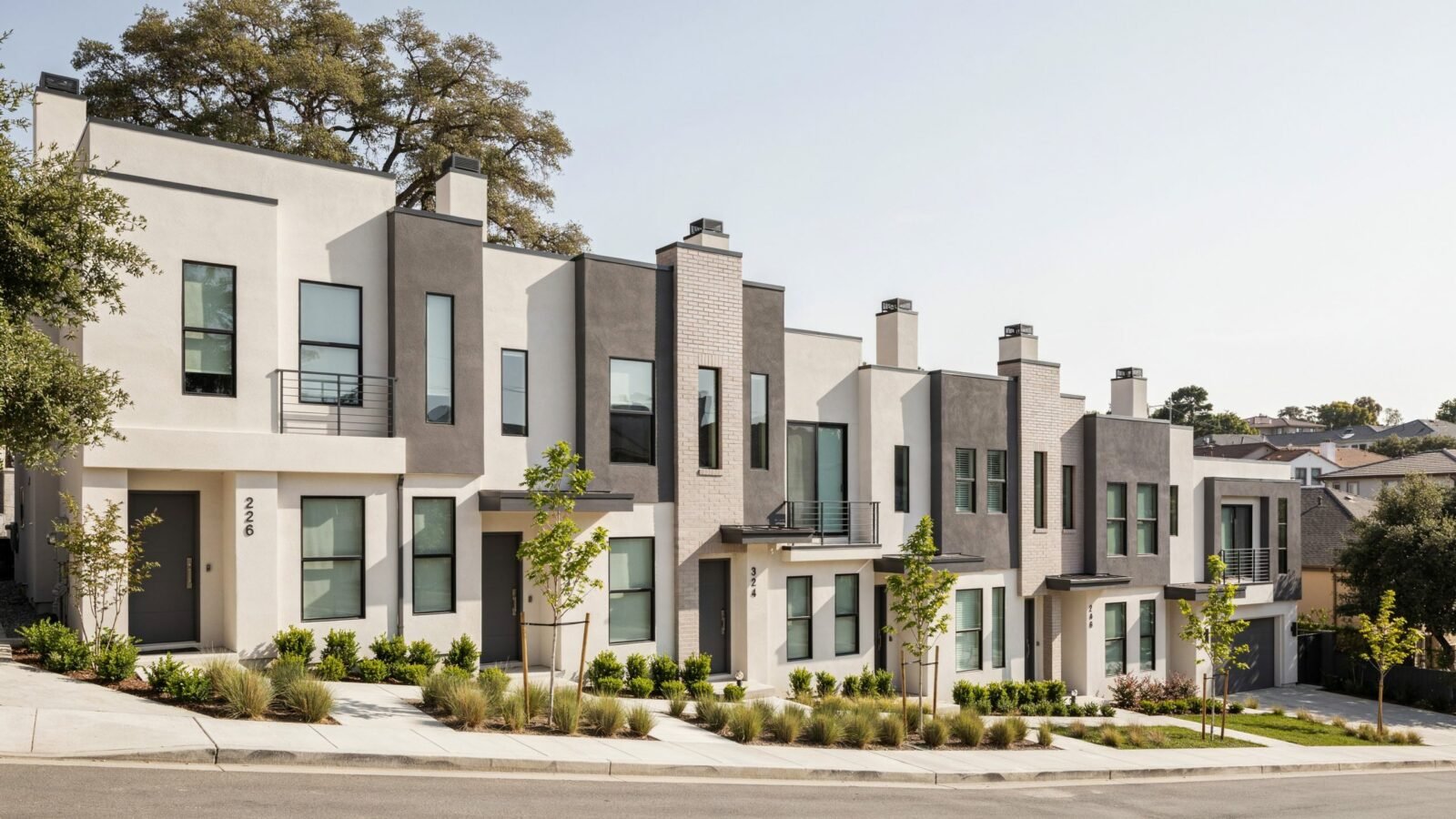
A townhouse is a type of residential property that combines some features of a traditional single-family home with the convenience of community living. Townhouses are usually built in rows, with each home sharing one or more walls with neighboring properties. They typically have their own private entrance, living spaces, bedrooms, and sometimes a small yard, patio, or garage.
For people looking for more space than an apartment without the maintenance responsibilities of a large detached house, a townhouse can be an attractive option. However, understanding how townhouses work is important before deciding whether this type of property is right for you.
What Is a Townhouse?
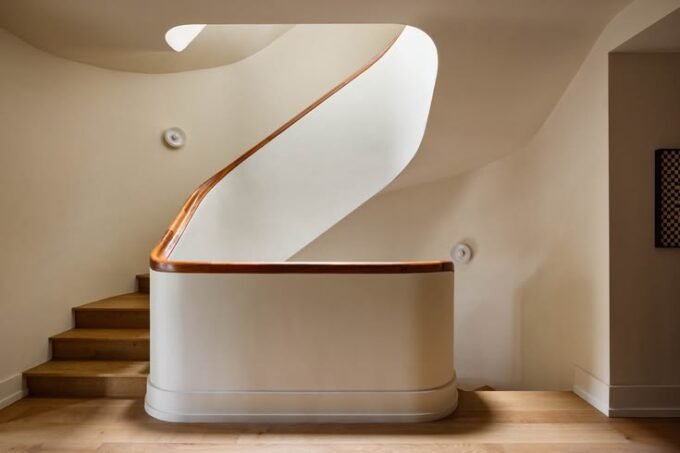
A townhouse is a multi-level residential home that is connected to one or more neighboring homes. Unlike an apartment, a townhouse generally has its own exterior entrance and is designed as an individual residence. Many townhouses have two or three floors, with bedrooms located upstairs and living, dining, and kitchen areas on the main level.
Townhouses can be privately owned, rented, or located within a planned community. In many developments, homeowners share certain facilities and are required to follow community rules.
How Is a Townhouse Different From a Detached House?
The main difference is that a detached house stands independently, while a townhouse usually shares walls with neighboring properties. This shared-wall design allows developers to build more homes within a smaller area.
Townhouses may also have smaller outdoor areas compared with detached homes. However, they can provide similar interior features, including multiple bedrooms, bathrooms, kitchens, garages, and private entrances.
Another difference is maintenance. Depending on the community, a homeowners association (HOA) may take care of certain exterior areas and shared spaces, reducing some responsibilities for homeowners.
Common Features of a Townhouse
Although townhouse designs vary, many properties include several common features:
- Two or more floors
- Private entrance
- Attached or nearby garage
- Multiple bedrooms and bathrooms
- Kitchen and living areas
- Small backyard, patio, or balcony
- Shared walls with neighboring homes
- Access to community amenities in some developments
Some modern townhouse communities may also include features such as swimming pools, parks, walking paths, fitness centers, or shared recreational spaces.
What Are the Benefits of Living in a Townhouse?
One of the biggest advantages of a townhouse is the balance between space and convenience. Buyers can often get multiple floors and several bedrooms without paying the price associated with a large detached property in the same area.
Townhouses may also require less exterior maintenance, particularly when an HOA handles landscaping or common areas. Their locations can be another advantage, as townhouse developments are often built near shopping centers, schools, transportation, and other services.
For first-time buyers, families, and people who prefer community living, a townhouse can offer a practical housing option.
What Are the Disadvantages?
Townhouse living also has some potential drawbacks. Shared walls mean homeowners may hear noise from neighbors, depending on the quality of construction and insulation. Outdoor space can also be limited compared with a detached house.
HOA fees are another important consideration. These fees may cover certain maintenance and community services, but they add to the overall cost of homeownership. HOA rules can also regulate exterior changes, landscaping, parking, pets, or renovations.
Before purchasing, buyers should carefully review the HOA documents, fees, restrictions, and maintenance responsibilities.
Is a Townhouse Right for You?
A townhouse may be suitable if you want more living space than an apartment but do not want all the maintenance associated with a detached home. It can provide privacy, multiple levels, and convenient access to community amenities while keeping the property within a planned neighborhood.
However, every townhouse development is different. Buyers should compare the purchase price, monthly HOA costs, property taxes, maintenance responsibilities, location, and available amenities before making a decision.
Final Thoughts
So, what is a townhouse? It is a residential home that typically shares walls with neighboring properties while providing its own private living space and entrance. Townhouses can offer a useful combination of affordability, space, convenience, and community living.
Understanding both the advantages and limitations can help you determine whether a townhouse matches your lifestyle, budget, and long-term homeownership goals. Houseura provides helpful home and construction insights to help homeowners make more informed decisions about their properties.