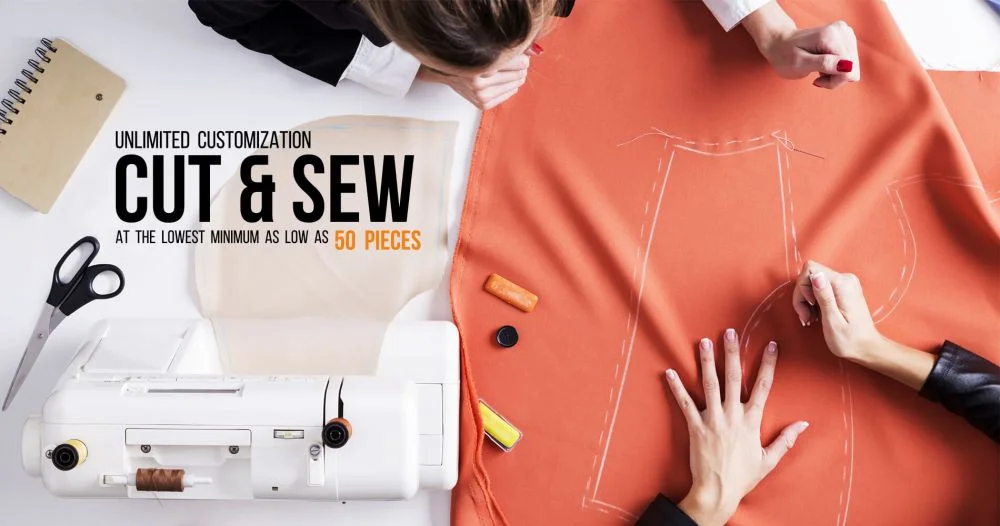
Turning a creative clothing idea into a finished garment requires more than having a sketch or inspiration image. Before sending a design to a manufacturer, fashion brands need to organize their ideas into clear and detailed production information. Proper preparation helps manufacturers understand the design, estimate costs, create accurate samples, and produce garments that match the original concept.
Choosing the right clothing manufacturer for fashion brands is important, but preparing your designs correctly is equally essential. A well-organized design package can reduce misunderstandings, minimize production errors, and make the entire manufacturing process more efficient.
1. Start With a Clear Clothing Concept
Before preparing technical information, define the overall concept of your garment. Think about the purpose of the product, target customer, style, and desired market position.
For example, if you are creating a premium streetwear collection, determine whether you want oversized fits, heavyweight fabrics, embroidered graphics, or custom washes.
Your initial concept should answer questions such as:
- What type of garment are you producing?
- Who is the target customer?
- What style does the product represent?
- What materials are appropriate?
- What price range are you targeting?
A clear concept gives both your design team and manufacturer a strong starting point.
2. Create Detailed Design Sketches
Once the concept is finalized, create clear design sketches. These can be hand-drawn or digitally created, depending on your resources.
Your sketches should show important visual details, including:
- Garment shape
- Front and back views
- Sleeves
- Pockets
- Collars
- Closures
- Seams
- Decorative details
A basic fashion illustration may communicate the overall appearance, but manufacturers need clear visual references to understand the construction of the product.
3. Develop a Professional Tech Pack
One of the most important steps is creating a technical pack. A tech pack transforms your creative design into detailed manufacturing instructions.
A professional tech pack can include:
- Technical drawings
- Measurement charts
- Fabric specifications
- Color references
- Stitching instructions
- Trim details
- Label placement
- Printing or embroidery information
- Packaging requirements
If you do not have technical design experience, consider working with a professional technical designer. This can help ensure your documentation is complete before production begins.
A clothing manufacturer for fashion brands can work much more efficiently when all essential production information is clearly documented.
4. Provide Accurate Measurements
Measurements are critical because they determine the fit and proportions of your garment. Your manufacturer needs exact measurements for every size you plan to produce.
Depending on the product, measurements may include:
- Chest
- Shoulder width
- Body length
- Sleeve length
- Waist
- Hip
- Inseam
- Leg opening
You should also establish acceptable measurement tolerances. Small variations can occur during manufacturing, so defining acceptable ranges helps quality control teams determine whether garments meet your specifications.
5. Specify Your Fabric Requirements
Never assume that a manufacturer will automatically know which fabric you want. Provide as much information as possible about your preferred material.
Fabric specifications can include:
- Fiber composition
- Fabric weight or GSM
- Stretch
- Texture
- Finish
- Color
- Performance requirements
For example, a premium T-shirt may require heavyweight cotton, while an activewear product may require lightweight, breathable, and stretchable fabric.
If you are unsure about the best material, ask your manufacturer for fabric recommendations and samples.
6. Define Colors Clearly
Color consistency is essential for maintaining your brand identity. Instead of simply describing a color as “blue” or “green,” provide precise references whenever possible.
You can include:
- Pantone references
- Fabric color codes
- Color swatches
- Print colors
- Embroidery thread colors
Clear color specifications reduce the possibility of receiving garments that look different from your approved design.
7. Explain Printing and Embroidery Details
If your designs include graphics, logos, or artwork, provide complete information about how these elements should appear on the garment.
Include details such as:
- Artwork files
- Print dimensions
- Placement
- Printing technique
- Embroidery size
- Thread colors
- Logo positioning
Vector artwork is often useful for production because it allows manufacturers to scale designs without losing quality.
For complex artwork, provide visual references and placement measurements to eliminate confusion.
8. Include Branding and Label Requirements
Your clothing design should also include information about branding elements. These details can make a major difference in the final appearance of your products.
Specify requirements for:
- Neck labels
- Woven labels
- Size labels
- Care labels
- Hang tags
- Packaging
- Brand logos
Make sure the placement and dimensions of these elements are clearly documented.
9. Prepare a Sample Before Bulk Production
Never move directly from a design concept to large-scale production without reviewing a sample. A sample allows you to see how the design works as a physical garment.
Inspect the sample for:
- Fit
- Fabric quality
- Measurements
- Colors
- Stitching
- Artwork placement
- Overall appearance
If changes are required, provide clear feedback and request another sample when necessary.
10. Choose the Right Manufacturer
Your design preparation should be matched with a manufacturer that has experience producing your type of clothing.
When evaluating a clothing manufacturer for fashion brands, consider:
- Manufacturing experience
- Product specialization
- MOQ requirements
- Sample development
- Fabric sourcing
- Customization options
- Quality control
- Production capacity
- Lead times
- Communication
A manufacturer experienced in your product category is more likely to understand your technical requirements and provide useful production advice.
11. Keep All Production Information Organized
Before sending your design package, organize all files and information in a clear structure. Use consistent product names and style numbers across sketches, tech packs, artwork, and measurement charts.
Keep track of revisions as well. If you change measurements or fabric specifications after receiving a sample, update the production documents so the manufacturer always has the latest approved information.
This simple process can prevent outdated instructions from being used during production.
Conclusion
Preparing your designs properly is one of the most important steps before working with a custom clothing manufacturer. Clear sketches, accurate measurements, detailed fabric specifications, artwork instructions, branding requirements, and a professional tech pack give manufacturers the information they need to produce your garments correctly.
For emerging and established brands, partnering with the right clothing manufacturer for fashion brands can make the transition from design to production much smoother. By preparing your designs carefully, reviewing samples, and maintaining organized production documents, you can reduce errors, control costs, and create apparel that accurately represents your brand vision.