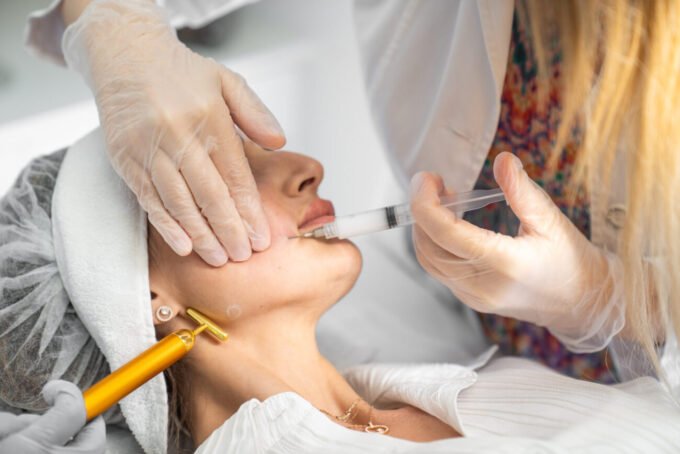
A healthy, radiant complexion is something many people want at different stages of life. While skincare routines can help maintain the skin, professional treatments may provide additional benefits when concerns such as clogged pores, dullness, uneven texture, or dehydration become more noticeable. One treatment that has gained attention for its gentle, customizable approach is HydraFacial Treatment.
But is there a specific age when someone should start getting a HydraFacial? The answer is not as simple as choosing one number. Skin type, individual concerns, lifestyle, sensitivity, and overall skin health are generally more important than age alone.
HydraFacial Treatment is a non-invasive facial procedure designed to cleanse, exfoliate, extract impurities, and hydrate the skin. Because it can be adjusted according to individual needs, it may be suitable for a range of adults. However, younger people may not necessarily need professional facial treatments if their skin is healthy and free from significant concerns.
Understanding how skin changes with age can help readers decide when this type of treatment may be worth considering.
What Is HydraFacial Treatment?
HydraFacial Treatment is a multi-step skincare procedure that combines cleansing, exfoliation, extraction, and hydration in a single treatment. The process is generally designed to refresh the skin without the downtime associated with more aggressive cosmetic procedures.
During a typical treatment, the skin is cleansed to remove surface impurities. A gentle exfoliation step helps loosen dead skin cells, while a specialized extraction process can help remove debris from pores. The final stage focuses on hydration and nourishing ingredients intended to leave the skin feeling smoother and more refreshed.
One reason HydraFacial Treatment is popular is its customizable nature. Different skin concerns may call for different approaches or topical ingredients. Depending on the individual’s skin, treatment goals may include improving the appearance of dullness, congestion, dryness, rough texture, or uneven-looking skin.
The treatment is generally considered suitable for many skin types, but that does not mean it is appropriate for everyone at every age. A qualified skincare professional can assess the skin and determine whether the procedure is suitable.
Is There a Best Age for HydraFacial Treatment?
There is no universal “best age” for HydraFacial Treatment. Instead, the ideal time depends on why someone wants the treatment and whether the skin has a concern that could reasonably benefit from it.
For many people, professional facials become more relevant in adulthood when environmental exposure, stress, makeup use, dehydration, and changes in skin turnover begin affecting the appearance and feel of the skin. Some adults may consider HydraFacial Treatment in their 20s for maintenance, while others may first consider it in their 30s, 40s, or later because their skincare goals have changed.
In the teenage years, professional facial treatments may sometimes be considered for specific concerns, but they should not automatically be viewed as a routine requirement. Teenagers often experience hormonal changes that can affect oil production and breakouts. Persistent acne or other skin conditions should be evaluated by an appropriate healthcare professional rather than treated solely with cosmetic facials.
For adults, the decision can be based more on skin needs than on a specific birthday. Someone in their 20s with dehydrated or congested skin may have a reason to consider treatment, while someone older with relatively healthy skin may not need frequent professional procedures.
Therefore, the most useful question is not “How old should someone be?” but rather “What skin concern is being treated, and is HydraFacial Treatment an appropriate option?”
HydraFacial Treatment in the 20s: Maintenance and Skin Health
People in their 20s often have relatively resilient skin, although individual experiences can vary significantly. Some may deal with oily skin, enlarged-looking pores, occasional breakouts, dehydration, or uneven texture.
At this stage, HydraFacial Treatment may be considered as an occasional maintenance treatment rather than something that needs to be performed frequently. The cleansing and exfoliation aspects can help remove surface buildup, while hydration can help the skin feel softer and more refreshed.
However, a professional facial should not replace the basics of good skincare. Daily sunscreen, gentle cleansing, appropriate moisturization, and products selected for individual skin type remain important.
People in their 20s should also avoid assuming that more treatments automatically mean healthier skin. Excessive exfoliation or unnecessary procedures can potentially irritate the skin. A conservative approach based on actual skin needs is generally more sensible.
HydraFacial Treatment in the 30s and 40s: Addressing Changing Skin Concerns
As people move through their 30s and 40s, changes in skin texture, hydration, and overall appearance may become more noticeable. The skin may appear less plump or radiant than it did in earlier adulthood, and environmental factors accumulated over time can become more visible.
This is one reason HydraFacial Treatment may become attractive to people in these age groups. The treatment can focus on hydration, exfoliation, pore cleansing, and improving the overall appearance of the complexion.
People may also be interested in professional facials before events when they want their skin to look fresh and smooth. Because HydraFacial Treatment is generally associated with little to no significant downtime, it can be appealing to individuals who want a cosmetic treatment without committing to a lengthy recovery period.
Still, expectations should remain realistic. A HydraFacial is primarily a skin-refreshing and cosmetic treatment. It is not a substitute for medical treatment of significant skin diseases, and it should not be presented as a permanent solution for wrinkles, pigmentation, acne, or other persistent concerns.
HydraFacial Treatment After 50: Hydration and Skin Appearance
Skin often becomes drier and more delicate with age. Some people over 50 may notice increased dryness, roughness, uneven-looking tone, or a loss of the smooth appearance they had when younger.
HydraFacial Treatment may be considered by individuals in this age group when the primary goal is to improve hydration and refresh the skin’s appearance. Gentle exfoliation may help remove surface buildup, while hydrating steps can help the skin feel smoother and more comfortable.
However, mature or sensitive skin may require additional care. The intensity of exfoliation and the products used during a facial should be appropriate for the individual’s skin condition. Anyone with very sensitive skin, active irritation, open wounds, or a diagnosed skin disorder should discuss treatment suitability with a qualified professional beforehand.
Age itself does not make HydraFacial Treatment unsuitable. What matters more is the condition of the skin and whether the treatment can be performed safely.
What Factors Matter More Than Age?
Age is only one consideration when deciding whether HydraFacial Treatment is appropriate. Several other factors may be more important.
Skin type: Oily, dry, combination, and sensitive skin can have different needs. A treatment should be adjusted accordingly.
Skin concerns: Someone experiencing congestion or dehydration may have different treatment goals from someone mainly concerned about uneven texture or dullness.
Skin sensitivity: Individuals with reactive or easily irritated skin may need a gentler approach.
Current skin condition: Active irritation, infection, severe inflammation, sunburn, or open skin may mean that a cosmetic facial should be postponed.
Medications and treatments: Certain medications, dermatological treatments, or recent procedures may affect whether exfoliation or extraction is appropriate.
Treatment goals: Someone looking for temporary skin refreshment has different expectations from someone seeking treatment for a medical skin condition.
A consultation can help determine whether HydraFacial Treatment fits the individual’s circumstances. It can also help prevent unnecessary treatments and unrealistic expectations.
How Often Should Someone Get a HydraFacial?
There is no single schedule that works for everyone. The appropriate frequency depends on skin type, concerns, treatment intensity, and how the skin responds.
Some people may choose an occasional HydraFacial Treatment before a special event, while others may prefer periodic treatments as part of a broader skincare routine. Frequent treatment is not automatically better. The skin needs time to maintain its natural protective barrier, and excessive exfoliation can cause dryness or irritation.
A qualified professional can recommend a schedule based on the individual’s skin rather than applying the same timetable to everyone.
A good skincare routine should also continue between treatments. Sun protection, gentle cleansing, adequate moisturization, and suitable skincare products can play a major role in maintaining the results of professional treatments.
What Results Can Someone Expect From HydraFacial Treatment?
Results can vary depending on skin type, concerns, and the individual’s overall skincare habits. Many people seek HydraFacial Treatment because the skin may feel cleaner, softer, smoother, and more hydrated afterward.
The complexion may also appear more refreshed and radiant. Improvements in the appearance of clogged pores or surface texture may be noticeable, but results are generally not permanent. Skin continues to produce oil, shed dead cells, and encounter environmental factors after treatment.
HydraFacial Treatment should therefore be viewed as part of an overall skincare strategy rather than a one-time solution for every skin concern.
People considering the treatment should also understand that cosmetic procedures can have temporary side effects. Mild redness, sensitivity, or irritation may occur in some individuals, particularly when the skin is sensitive. Following aftercare recommendations can help support the skin after treatment.
Who Should Be Cautious About HydraFacial Treatment?
Although HydraFacial Treatment is generally considered a gentle cosmetic procedure, it may not be appropriate in every situation.
People with active skin infections, significant irritation, open wounds, severe sunburn, or certain inflammatory skin conditions may need to postpone treatment. Individuals who have recently undergone other cosmetic procedures should also ask whether enough healing time has passed.
Pregnancy, breastfeeding, allergies, prescription medications, and certain skin conditions may also influence which products or treatment steps are appropriate. This does not necessarily mean the treatment is prohibited, but it does mean that professional assessment is important.
Anyone uncertain about suitability should provide a complete and accurate medical and skincare history before treatment. A qualified healthcare or skincare professional can explain potential risks and determine whether an alternative approach would be more suitable.
Final Thoughts: Is HydraFacial Treatment Right at Any Age?
There is no magic age for starting HydraFacial Treatment. The decision should be based primarily on skin condition, treatment goals, sensitivity, and overall health rather than age alone.
People in their 20s may consider it for occasional maintenance, while individuals in their 30s and 40s may seek it for hydration, texture, and complexion concerns. Older adults may also benefit from a carefully customized approach focused on maintaining comfortable, hydrated, and refreshed-looking skin.
The most important point is that HydraFacial Treatment should complement—not replace—a consistent skincare routine. Daily sun protection, gentle cleansing, moisturizing, healthy lifestyle habits, and appropriate professional guidance remain essential at every age.
For anyone considering the treatment for the first time, a consultation is a sensible starting point. It allows the skin to be assessed, expectations to be discussed, and the treatment to be customized according to individual needs.
Frequently Asked Questions
1. What age is best for HydraFacial Treatment?
There is no specific age that is considered universally best. Adults may consider HydraFacial Treatment when they have concerns such as dehydration, dullness, clogged pores, or uneven texture. The condition and needs of the skin are generally more important than age.
2. Can teenagers get HydraFacial Treatment?
Teenagers may sometimes be considered for professional facial treatments, but treatment should be based on individual needs. Persistent acne, inflammation, or other skin conditions should be assessed by an appropriate healthcare professional rather than relying solely on cosmetic treatments.
3. Is HydraFacial Treatment suitable for mature skin?
It may be suitable for mature skin when the treatment is appropriately customized. People with mature or sensitive skin may benefit from a gentler approach focused on hydration and comfort. A professional skin assessment can help determine suitability.
4. How often can HydraFacial Treatment be done?
Treatment frequency varies according to skin type, concerns, and individual response. Some people choose occasional treatments, while others may follow a regular professional skincare schedule. A qualified professional can recommend an appropriate interval.
5. Does HydraFacial Treatment permanently improve the skin?
No cosmetic facial can permanently stop normal skin aging or completely prevent future skin concerns. HydraFacial Treatment may temporarily improve the appearance and feel of the skin, but maintaining those benefits generally requires consistent skincare and appropriate sun protection.
6. Can HydraFacial Treatment replace a daily skincare routine?
No. Professional treatments can complement a skincare routine but should not replace daily skin care. Gentle cleansing, moisturizing, sunscreen, and products appropriate for individual concerns remain important for long-term skin health.
Read More About HydraFacial Treatment: https://app.getbeamer.com/product5395/en/hydrafacial-treatment-for-fine-lines-can-it-help-1AvzNWvb