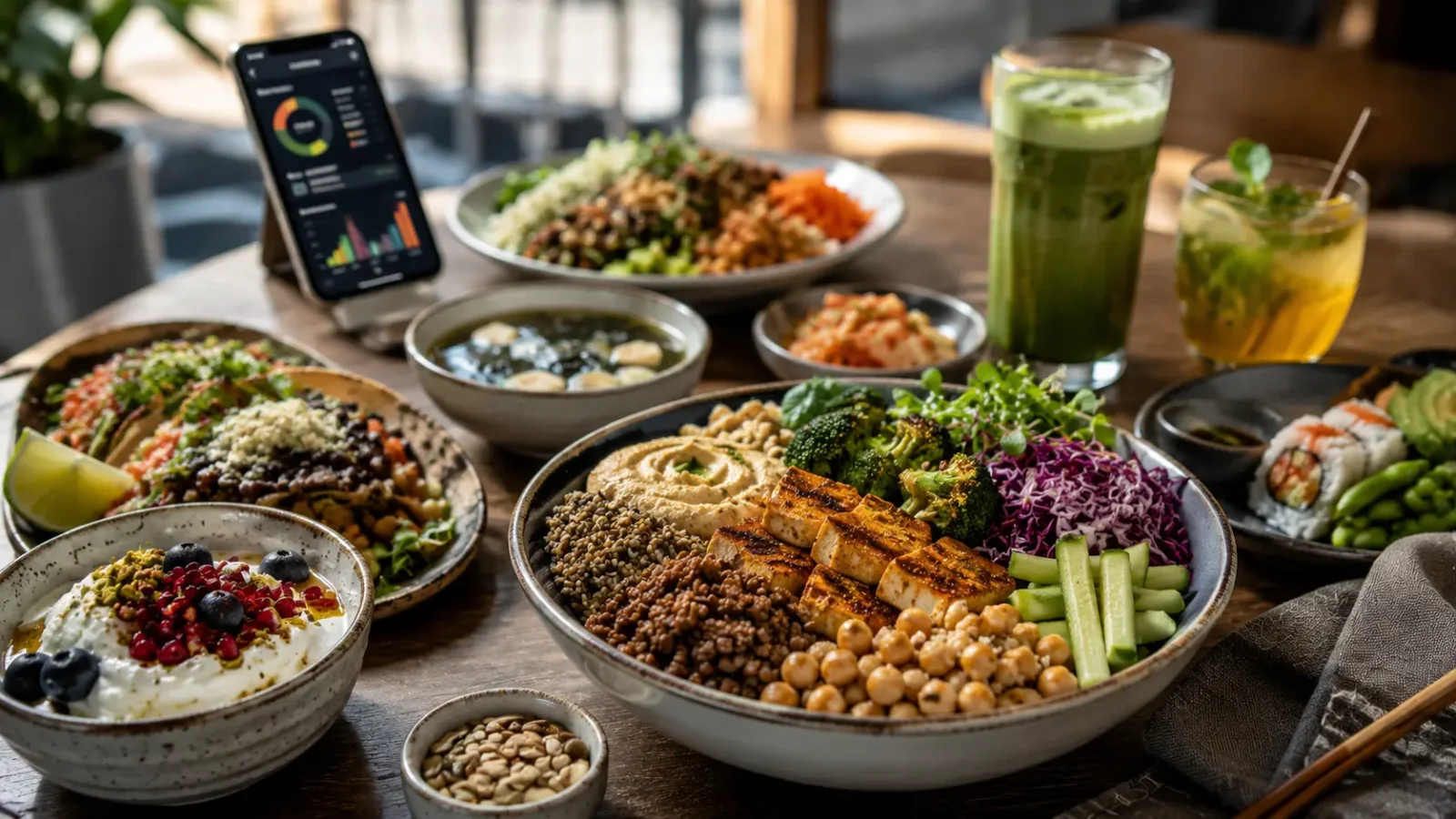
Food in 2026 is becoming more than just something we eat. Around the world, consumers are increasingly looking for food that combines taste, nutrition, convenience and functionality in one experience. From protein-rich breakfasts and fibre-packed meals to gut-friendly foods, functional beverages and bold global flavours, the way people think about everyday food is changing.
One of the biggest food trends in 2026 is the growing popularity of protein. Protein is no longer associated only with athletes or fitness enthusiasts. It is becoming part of everyday eating, appearing in yogurt, breakfast foods, snacks, beverages, cereals, baked products and ready-to-eat meals. Consumers are looking for convenient ways to include more protein in their daily routines without completely changing the foods they already enjoy.
At the same time, fibre and gut health are becoming increasingly important. Consumers are paying more attention to digestion and overall wellbeing, creating stronger interest in foods containing fibre, probiotics, prebiotics and fermented ingredients. Oats, lentils, beans, whole grains, fruits, vegetables, nuts and seeds are becoming important parts of conversations around everyday nutrition.
Protein Is Becoming an Everyday Food Trend
Protein is moving beyond the traditional fitness market and becoming a mainstream food choice. Consumers are increasingly looking for protein in convenient and familiar formats such as yogurt, breakfast cereals, snack bars, beverages, baked foods and ready-to-eat meals.
The reason is simple: modern consumers want practical nutrition. Rather than completely changing their diets, many people prefer products that can easily fit into existing routines.
This has encouraged food brands to introduce protein-focused versions of familiar products. The result is a growing market where nutrition and convenience come together.
Gut Health Is Moving Into the Mainstream
Another major food trend in 2026 is the growing focus on gut health.
Consumers are becoming more aware of digestive wellbeing and are showing greater interest in foods containing fibre, probiotics, prebiotics and fermented ingredients.
Foods such as yogurt, kefir, oats, lentils, beans, whole grains, fruits, vegetables, nuts and seeds are increasingly associated with everyday digestive-friendly eating.
This trend is also influencing beverages. Probiotic and prebiotic drinks are becoming more visible as consumers look for convenient ways to include functional ingredients in their routines.
The Rise of Functional Foods and Beverages
Functional foods are products designed to provide benefits beyond basic nutrition. They may contain ingredients such as protein, fibre, probiotics, prebiotics, vitamins, minerals or electrolytes.
In 2026, functional nutrition is becoming less of a specialist category and more of an everyday food trend.
Consumers want food that fits their lifestyles. A protein drink can be consumed after exercise, a fibre-rich snack can be taken to work, and a functional beverage can be convenient during travel.
This combination of nutrition and convenience is helping functional food become increasingly mainstream.
Global Flavors Are Changing the Food Experience
Health is important, but taste remains one of the biggest reasons people choose food.
In 2026, consumers are becoming more adventurous with flavours inspired by different cultures and cuisines.
Korean, Japanese, Mexican, Indian, Middle Eastern and Southeast Asian influences are appearing across restaurant menus, packaged foods and snacks.
Social media, international travel and global food culture have made it easier for consumers to discover new ingredients and flavour combinations.
Instead of simply following traditional recipes, chefs and brands are combining familiar foods with international influences to create new experiences.
The “Swicy” Flavor Trend
One flavour combination that continues to attract attention is sweet plus spicy, often called “swicy.”
Examples include:
- Mango with chilli
- Honey with hot peppers
- Spicy fruit sauces
- Sweet-and-hot snacks
- Chilli-infused desserts
The popularity of these combinations comes from contrast. Sweet flavours provide familiarity, while spice creates excitement.
This trend demonstrates a larger shift toward more adventurous and complex food experiences.
Better-for-You Indulgence
Consumers are not giving up desserts, snacks or comfort food.
Instead, they are increasingly looking for better-for-you indulgence.
This can include products with:
- More protein
- Added fibre
- Less sugar
- Simpler ingredients
- Convenient portions
- Functional ingredients
The idea is not to remove enjoyment from food. Instead, brands are trying to create products that balance indulgence with consumers’ growing interest in nutrition.
This is creating a new middle ground between traditional treats and health-focused products.
Ingredient Transparency Matters More
Consumers are also becoming more interested in what is actually inside the food they buy.
Clear ingredient lists and understandable nutritional information are becoming increasingly important.
Rather than relying only on front-of-package claims, consumers are looking more closely at ingredients, nutritional values and product information.
For food brands, this means transparency can become an important part of building consumer trust.
Convenience Continues to Drive Food Choices
Modern lifestyles are busy.
People work, travel, exercise, study and manage multiple responsibilities. As a result, convenience remains one of the strongest forces shaping food consumption.
Ready-to-eat meals, ready-to-drink beverages, grab-and-go snacks, meal kits and easy breakfast options continue to attract consumers.
But convenience alone is no longer enough.
Today’s consumer increasingly expects convenient food to also provide good taste, quality and nutritional value.
Premium Food at Home
Another important trend is the growing demand for premium food experiences at home.
Consumers increasingly want restaurant-quality meals without necessarily visiting a restaurant.
This is creating opportunities for:
- Premium frozen foods
- Specialty sauces
- Chef-inspired meals
- International ingredients
- Ready-to-cook products
- Premium snacks
The home kitchen is becoming a place where consumers experiment with new cuisines and higher-quality ingredients.
Nostalgia Meets Modern Food
While innovation is important, consumers continue to love familiar flavours.
Nostalgic foods connected with childhood, family traditions and regional culture are being reintroduced in modern formats.
Classic desserts, traditional snacks and familiar recipes can create strong emotional connections.
Food brands are combining this nostalgia with modern packaging, new ingredients and convenient formats.
This creates a balance between familiarity and innovation.
Plant-Forward Eating Is Becoming More Flexible
Plant-forward eating is another trend influencing food choices.
Instead of following strict dietary categories, many consumers are simply trying to include more plant-based foods in their everyday meals.
Beans, lentils, vegetables, whole grains, nuts and seeds can become a larger part of the diet without requiring consumers to completely eliminate other foods.
This flexible approach makes plant-forward eating easier to adopt and more accessible to a wider audience.
AI Is Entering the Food Industry
Artificial intelligence is also beginning to influence the food industry.
Food companies are exploring AI for:
- Product development
- Consumer research
- Recipe development
- Demand forecasting
- Personalization
- Supply-chain management
- Market analysis
AI can help companies understand changing consumer preferences and develop products around specific needs.
In the future, technology could also contribute to more personalized food recommendations based on individual preferences, lifestyle and nutritional goals.
However, consumers should remain cautious about exaggerated health claims. Personalized nutrition should be based on reliable scientific information rather than marketing alone.
The Future of Personalized Food
The idea of one food strategy working for everyone is gradually being replaced by more personalized approaches.
Different consumers may have different priorities.
One person may look for higher-protein foods.
Another may focus on fibre and gut health.
Someone else may prioritize convenience, plant-based options, lower sugar or international flavours.
Technology could eventually make it easier for consumers to discover food products that match their individual preferences.
Food Is Becoming More Global
The globalization of food culture is accelerating.
Consumers can now discover cuisines from around the world through restaurants, travel, social media and online shopping.
This means traditional boundaries between cuisines are becoming less defined.
Indian spices can appear in Western snacks. Korean flavours can influence burgers and sauces. Mexican chilli can be combined with tropical fruits. Japanese techniques can influence modern desserts.
This cultural exchange is creating a more diverse and creative global food landscape.
What These Trends Mean for Food Brands
The modern food consumer expects more from products.
A successful food product increasingly needs to answer several questions:
Does it taste good?
Is it convenient?
Does it provide meaningful nutritional value?
Are the ingredients easy to understand?
Does it feel authentic?
Does it fit into everyday life?
The strongest food innovations are likely to be products that solve multiple consumer needs at the same time.
For example, a snack could combine protein, fibre, convenience and an exciting global flavour.
A beverage could combine hydration, functional ingredients and a refreshing taste.
A ready-to-eat meal could offer convenience while still providing quality ingredients and balanced nutrition.
What Will We Eat in the Future?
The future of food is unlikely to be controlled by one single ingredient or category.
Instead, different trends will increasingly overlap.
Protein will meet convenience.
Fibre will meet gut health.
Global flavours will meet familiar foods.
Technology will meet personalization.
Wellness will meet indulgence.
This combination is already influencing how food companies develop products and how consumers make purchasing decisions.
Final Thoughts
The biggest food trends of 2026 show that consumers are looking for balance.
They want healthier choices, but they still want food to taste great.
They want convenience, but they also care about ingredients.
They want familiar comfort food, but they are increasingly willing to explore global flavours.
They want innovation, but they also want transparency and authenticity.
From protein and fibre to gut health, functional beverages, global flavours, better-for-you indulgence and AI-powered food innovation, the food industry is entering a more personalized and experience-driven era.
The future of food is not simply about eating healthier.
It is about creating a better balance between health, convenience, flavour, culture and enjoyment.
And in 2026, that balance is changing what people put on their plates every day.