
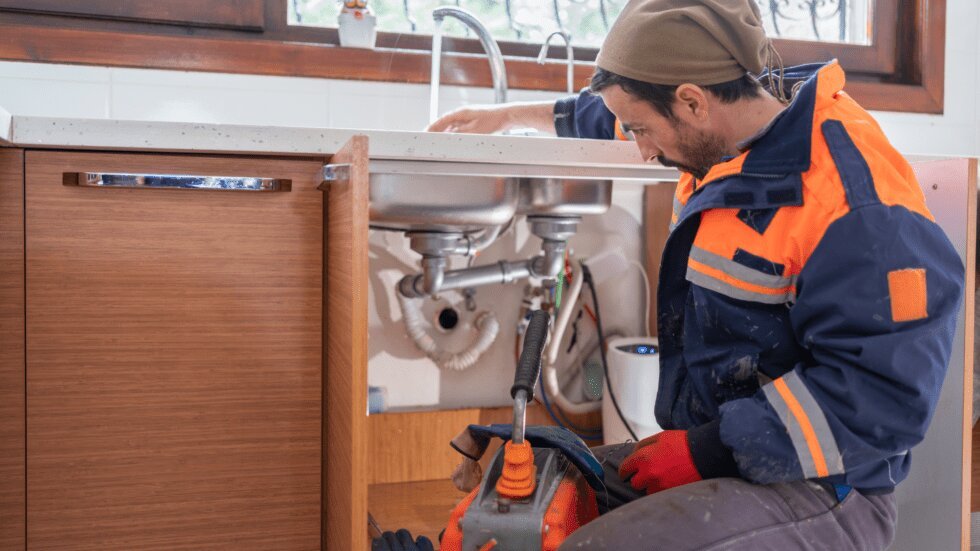
Clogged drains are one of the most common plumbing problems in homes. A slow kitchen sink can make cooking and cleaning difficult, while a blocked bathroom drain can leave standing water in the sink, bathtub, or shower. Although some clogs happen suddenly, many develop slowly because of everyday habits and the buildup of materials inside the pipes.
The good news is that most homeowners can reduce the risk of clogged drains by following a few simple maintenance habits. Regular Drain Maintenance Dallas can also help identify buildup, recurring blockages, and other drainage problems before they become more serious.
This guide explains practical ways to prevent kitchen and bathroom drains from clogging, common mistakes to avoid, and signs that your drain may need professional attention.
Why Do Kitchen and Bathroom Drains Get Clogged?
Kitchen and bathroom drains deal with different types of waste every day. Over time, materials can stick to the inside of pipes and reduce the space available for water to flow.
Common causes of clogged drains include:
- Grease and cooking oil
- Food particles
- Hair
- Soap residue
- Toothpaste
- Dirt
- Mineral deposits
- Foreign objects
- Excessive paper products
- Improperly flushed items
A drain may work normally for months or even years before enough buildup develops to cause a noticeable problem.
How to Prevent Kitchen Sink Drains From Clogging
Kitchen sinks are particularly vulnerable to blockages because food particles, grease, and other materials can enter the drain during normal use.
Fortunately, a few simple habits can make a big difference.
1. Never Pour Grease Down the Drain
Grease and cooking oil are major causes of kitchen drain problems.
Hot grease may flow easily when it is first poured into a sink, but it can cool inside the pipes and stick to the pipe walls. Over time, additional food particles can attach to the grease and create a thick blockage.
Instead:
- Let grease cool.
- Pour it into a suitable container.
- Dispose of it properly.
- Wipe greasy pans before washing them.
Keeping grease out of your plumbing is one of the easiest ways to reduce kitchen drain problems.
2. Use a Kitchen Sink Strainer
A sink strainer is a simple and inexpensive tool that can prevent food particles from entering your drain.
A strainer can catch:
- Rice
- Pasta
- Vegetable pieces
- Coffee grounds
- Food scraps
- Other small debris
Empty the strainer into the trash or compost instead of washing the collected material down the sink.
3. Be Careful With Food Scraps
Even small food particles can contribute to buildup when they enter the plumbing regularly.
Avoid intentionally washing large amounts of food waste into the sink.
Before washing dishes, scrape leftover food into the trash or compost where appropriate.
4. Use Your Garbage Disposal Properly
If your kitchen has a garbage disposal, use it according to the manufacturer’s instructions.
Avoid putting large quantities of food, grease, bones, fibrous materials, or other unsuitable items into the disposal.
Running appropriate amounts of water during disposal use can also help move food particles through the system.
5. Clean Your Kitchen Drain Regularly
Regular cleaning can help remove minor buildup before it becomes a larger obstruction.
You can:
- Remove and clean the drain stopper.
- Wash the sink strainer.
- Remove visible debris.
- Clean around the drain opening.
- Monitor how quickly water drains.
If the sink begins draining more slowly than normal, do not ignore it.
How to Prevent Bathroom Sink Drains From Clogging
Bathroom sinks collect different types of debris than kitchen sinks.
Hair, soap, toothpaste, skincare products, and dirt can enter the drain every day.
1. Keep Hair Out of the Drain
Hair is one of the most common causes of bathroom drain clogs.
Instead of allowing hair to wash into the sink, remove it from the basin and dispose of it in the trash.
A small drain screen can also catch loose hair before it enters the plumbing.
2. Clean the Sink Stopper
Hair and soap residue often collect around the sink stopper.
Remove the stopper periodically if possible and clean away any visible debris.
This simple task can help maintain better water flow.
3. Do Not Wash Large Amounts of Dirt Into the Sink
Washing dirt, soil, or other debris into a bathroom sink can contribute to buildup.
If you need to clean dirty items, remove as much dirt as possible before rinsing them.
4. Be Careful With Personal Care Products
Some products can contribute to residue inside plumbing.
Avoid allowing excessive amounts of thick creams, oils, or other materials to enter the drain.
Following product instructions and using reasonable amounts can help reduce buildup.
How to Prevent Shower and Bathtub Drains From Clogging
Shower and bathtub drains commonly collect hair and soap residue.
Because these drains handle water frequently, a small amount of buildup can gradually become a larger blockage.
Install a Shower Drain Cover
A drain cover or hair catcher can capture hair before it enters the pipe.
Clean the cover regularly so that water can continue flowing freely.
Remove Hair After Each Shower
You do not need to wait for a clog to develop.
After showering, check the drain area and remove visible hair.
This small habit can prevent a significant amount of material from entering the drain.
Clean the Drain Area Regularly
Soap residue can accumulate around drain openings.
Regularly cleaning the drain cover and surrounding area helps keep debris under control.
Avoid Flushing the Wrong Items
Toilets and drains are designed to handle specific materials.
Flushing inappropriate items can cause blockages that may be difficult and expensive to remove.
Avoid flushing:
- Paper towels
- Wipes that are not designed to be flushed
- Cotton products
- Cleaning cloths
- Dental floss
- Feminine hygiene products
- Trash
- Other non-flushable materials
Even products marketed as flushable may contribute to plumbing problems in some systems. Follow local guidance and manufacturer recommendations.
Do Not Ignore a Slow Drain
A slow drain is often an early warning sign.
Many homeowners wait until a drain stops completely before taking action. By that point, the blockage may be much larger.
If your sink, shower, or bathtub is draining more slowly than usual, investigate the problem.
A slow drain may be caused by:
- Hair buildup
- Grease
- Soap residue
- Mineral deposits
- Food particles
- A deeper blockage
Addressing the problem early may help prevent a complete backup.
Watch for Multiple Slow Drains
One slow drain may have a localized problem.
However, if several drains throughout the home become slow at the same time, there may be a larger drainage issue.
Pay attention if you notice:
- A slow kitchen sink
- A slow bathroom sink
- A slow shower
- A gurgling toilet
- A backed-up floor drain
Multiple affected fixtures can sometimes indicate a blockage farther down the drainage system.
Be Careful With Chemical Drain Cleaners
Chemical drain cleaners are commonly marketed as a quick solution for clogged drains. However, they are not appropriate for every plumbing problem.
Repeated use may not address the actual cause of a recurring clog.
If a drain keeps becoming blocked, the better approach is to determine why the blockage is happening.
A professional can evaluate the situation and recommend an appropriate cleaning or repair method.
Simple Drain Maintenance Tips for Homeowners
Preventive care does not have to be complicated.
Here are some simple habits to follow:
- Use drain screens.
- Keep grease out of kitchen drains.
- Remove hair from bathroom drains.
- Clean drain stoppers regularly.
- Avoid flushing inappropriate materials.
- Do not pour cooking oil into sinks.
- Dispose of food scraps properly.
- Respond to slow drainage early.
- Monitor recurring clogs.
- Schedule professional inspections when necessary.
These habits can help keep household drains working properly.
How Regular Drain Maintenance Can Save Money
Preventive maintenance can help homeowners avoid larger plumbing problems.
For example, a small amount of buildup may be easier to address than a complete blockage. A minor drainage issue may also be easier to diagnose before it affects other fixtures.
Regular maintenance can help:
- Reduce recurring clogs
- Improve water flow
- Reduce unpleasant odors
- Identify problems earlier
- Protect plumbing components
- Reduce the risk of emergency backups
It is generally easier to prevent a problem than to deal with extensive water damage after a drain backs up.
Signs Your Drain Needs Professional Attention
Homeowners can handle some basic maintenance tasks, but certain problems require professional evaluation.
Consider contacting a qualified plumbing professional if:
- The drain is completely blocked.
- A clog keeps returning.
- Multiple drains are slow.
- Water backs up into the sink or bathtub.
- You notice sewage odors.
- You hear repeated gurgling sounds.
- Water backs up when another fixture is used.
- You suspect damaged pipes.
- Basic drain maintenance does not solve the problem.
Recurring problems may indicate an issue deeper inside the plumbing system.
Why Professional Drain Cleaning May Be Necessary
A professional can use specialized tools to identify and address stubborn blockages.
Depending on the situation, a technician may use equipment such as:
- Drain snakes
- Mechanical cleaning tools
- Plumbing cameras
- Specialized inspection equipment
- Other professional drain-cleaning methods
The appropriate approach depends on the type and location of the blockage.
Professional inspection is especially useful when a drain repeatedly becomes clogged despite regular cleaning.
Create a Simple Drain Maintenance Routine
A simple routine can help you stay ahead of plumbing problems.
Weekly
- Check kitchen and bathroom drains.
- Remove visible hair and debris.
- Clean sink strainers.
- Monitor water flow.
Monthly
- Clean drain stoppers.
- Inspect visible plumbing connections.
- Check for unusual odors.
- Look for signs of slow drainage.
When Needed
- Address slow drains quickly.
- Investigate recurring clogs.
- Contact a professional if multiple fixtures are affected.
The exact maintenance needs of each home can vary depending on its age, plumbing design, water quality, and household usage.
Frequently Asked Questions
What is the most common cause of kitchen sink clogs?
Grease, food particles, and other debris are common causes of kitchen sink blockages. Keeping grease and large food particles out of the drain can significantly reduce the risk.
What causes bathroom sink drains to clog?
Hair, soap residue, toothpaste, dirt, and personal-care products can collect inside bathroom sink drains and restrict water flow.
How can I prevent shower drains from clogging?
Use a hair catcher or drain screen and remove collected hair regularly. Cleaning the drain cover also helps reduce buildup.
Should I pour grease down the sink with hot water?
No. Hot water may temporarily move grease through the drain, but the grease can cool farther inside the plumbing and stick to pipe walls.
When should I call a professional?
Call a qualified professional when a clog is severe, keeps returning, affects multiple fixtures, causes water backup, or does not respond to basic maintenance.
Final Thoughts
Preventing clogged kitchen and bathroom drains is mostly about developing good daily habits. Keeping grease, food waste, hair, and unsuitable materials out of your plumbing can significantly reduce the chance of blockages.
Simple tools such as drain strainers and hair catchers can also provide valuable protection. Regularly cleaning drain stoppers and responding to slow drainage can help identify problems before they become major blockages.
Homeowners should also remember that recurring clogs are not always just a maintenance issue. If the same drain continues to become blocked or several fixtures experience drainage problems, there may be a deeper plumbing concern.