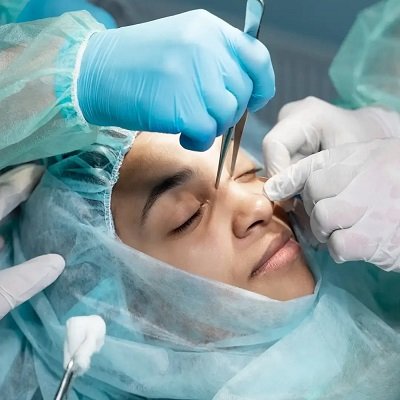
An IV Drip is a common medical treatment used to deliver fluids, medications, electrolytes, or other substances directly into the bloodstream. Because the treatment enters the body through a vein, many people naturally wonder how the IV is inserted and what the process feels like.
The procedure is generally straightforward and is performed by a trained healthcare professional using sterile equipment. Understanding what happens before, during, and after IV insertion can make the experience feel much less intimidating.
What Is an IV Drip and Why Is It Used?
An IV drip, short for intravenous drip, delivers a fluid or medication directly into a vein through a small flexible tube called an IV catheter. The catheter provides access to the bloodstream, while the attached tubing connects to a fluid bag or infusion device.
Healthcare professionals may use an IV for several reasons. It can provide fluids when a person is dehydrated, deliver certain medications efficiently, replace electrolytes, or provide other treatments that are appropriate for intravenous administration. IV access is also frequently used in hospitals and other healthcare settings before, during, or after medical procedures.
Unlike medication taken by mouth, an IV treatment does not need to pass through the digestive system before entering circulation. This can be useful when a medication or fluid needs to be administered directly into the bloodstream or when a person cannot comfortably take something orally.
The type of IV fluid or medication depends entirely on the individual’s medical needs. An IV should therefore be administered according to an appropriate healthcare assessment rather than simply because intravenous treatment is available.
How Is an IV Drip Inserted Into a Vein?
The process begins with preparation. A healthcare professional typically confirms the treatment, checks relevant information, and selects an appropriate vein. The arm or hand is commonly used because several veins in these areas can provide suitable access.
A tourniquet may be placed around the upper arm to make the veins more visible and easier to access. The skin is then cleaned with an appropriate antiseptic solution to reduce the risk of introducing bacteria into the bloodstream.
The healthcare professional uses a sterile IV catheter. The catheter contains a small needle that helps guide the device into the vein. When the needle enters the vein, blood may be visible in the catheter’s indicator chamber, helping confirm that the vein has been accessed.
Once the catheter is correctly positioned, the needle is removed. The flexible catheter remains in the vein. It is then connected to IV tubing, and the catheter is secured to the skin with appropriate medical dressing or tape.
The fluid or medication can then be administered through the tubing. Depending on the treatment, the infusion may flow using gravity or an infusion pump that regulates the delivery rate.
The needle itself does not remain in the vein during the infusion. This distinction is important because some people imagine that a sharp needle stays inside the arm for the entire treatment. Instead, the soft catheter is what remains in place.
Where Is an IV Drip Usually Inserted?
An IV can be inserted into different veins depending on the person’s age, vein condition, treatment requirements, and clinical circumstances.
For many adults, healthcare professionals commonly consider veins in the back of the hand or lower arm. Veins around the elbow area may also be used in certain circumstances.
The healthcare professional chooses the site based on factors such as vein visibility, accessibility, the type and duration of treatment, and the person’s individual anatomy. A vein that works well for one person may not be the best option for another.
In some cases, locating a suitable vein can take more than one attempt. Factors such as dehydration, small or difficult-to-see veins, previous IV access, swelling, or certain medical conditions can make insertion more challenging.
Patients can help by remaining still and following the healthcare professional’s instructions. Staying relaxed may also make the process more comfortable.
Does Inserting an IV Drip Hurt?
Most people feel a brief pinch or stinging sensation when the catheter is inserted. The discomfort usually lasts only a short time.
After the catheter is positioned and the needle is removed, there should not be a sharp needle continuously sitting inside the vein. Some people may notice mild pressure, tenderness, or awareness of the catheter while the IV is running.
Individual experiences vary. Some people barely notice the insertion, while others may feel more nervous because they are uncomfortable around needles. Communicating with the healthcare professional can help. For example, a person who feels anxious or has previously experienced difficulty with IV insertion can mention this before the procedure begins.
If significant pain, burning, swelling, or discomfort develops during the infusion, the person should immediately tell the healthcare professional. Such symptoms may indicate that the IV needs to be checked.
What Happens During an IV Drip Treatment?
Once the IV catheter is securely placed, the prescribed fluid or medication is connected. The healthcare professional checks the setup and monitors the infusion according to the treatment requirements.
The length of an IV infusion can vary considerably. Some treatments may be relatively short, while others can take longer. The duration depends on what is being administered, the prescribed infusion rate, and the individual’s medical circumstances.
During treatment, the person may usually sit or lie comfortably while the IV is running. The arm containing the catheter should generally remain positioned in a way that avoids unnecessary pulling or bending of the tubing.
Healthcare professionals may monitor the person during the infusion, particularly when medication is being administered. Monitoring can help identify problems such as an unexpected reaction or an issue with the IV site.
It is important not to adjust the IV flow rate independently. The infusion rate should be determined by the healthcare professional because administering certain fluids or medications too quickly or too slowly may be inappropriate.
What Should Someone Expect After IV Removal?
After the infusion is complete, the healthcare professional stops the flow and removes the catheter. Gentle pressure may be applied to the insertion site, followed by a small dressing if appropriate.
A small amount of bruising or tenderness can sometimes occur after IV removal. These minor effects generally settle with time.
However, the IV site should be observed for unusual symptoms. Increasing redness, significant swelling, worsening pain, warmth, discharge, or other concerning changes should be reported to a healthcare professional.
People receiving an IV should also follow any specific instructions provided for their treatment. If the infusion contained medication, additional guidance may be necessary depending on the substance administered.
Is an IV Drip Safe?
When performed by an appropriately trained healthcare professional using suitable sterile equipment, IV therapy is a routine medical procedure. Nevertheless, no medical procedure is completely risk-free.
Possible complications include bruising, discomfort, bleeding, irritation of the vein, infection, or leakage of fluid into the surrounding tissue. Infiltration occurs when IV fluid enters tissue outside the vein, while inflammation of a vein is known as phlebitis.
Some medications administered intravenously can also cause side effects or allergic reactions. The specific risks depend on the treatment being given and the individual’s health circumstances.
For this reason, an IV drip should be administered by qualified personnel who can assess whether intravenous treatment is appropriate and respond if a complication occurs.
People should promptly report symptoms such as severe pain, rapidly increasing swelling, difficulty breathing, chest discomfort, widespread rash, dizziness, or other sudden concerning symptoms during or after treatment.
Frequently Asked Questions About IV Drip
1. How long does it take to insert an IV drip?
The actual insertion is usually a relatively quick process, although the total time can vary. Preparing the equipment, identifying a suitable vein, cleaning the skin, securing the catheter, and connecting the IV all take additional time. Difficult-to-access veins may require more time or another attempt.
2. Is an IV drip inserted with a needle?
Yes. A needle is used initially to help place the IV catheter into the vein. However, the needle is removed after the catheter is positioned correctly. The flexible catheter remains in the vein during the infusion.
3. Can an IV drip be inserted anywhere on the body?
No. Healthcare professionals select an appropriate vein based on the treatment, the person’s anatomy, and the condition of the veins. The hand and arm are commonly considered for routine peripheral IV access, but the appropriate location varies between individuals.
4. What does an IV drip feel like?
Insertion may feel like a brief pinch or sting. Once the catheter is secured, many people experience little discomfort. Mild pressure or tenderness can occur, but significant pain, burning, or swelling should be reported to the healthcare professional.
5. What happens if the IV site starts swelling?
Swelling around an IV site can indicate that fluid is not entering the vein as intended. The person should alert the healthcare professional rather than attempting to fix or reposition the IV independently. The healthcare professional can assess the site and determine the appropriate action.
6. Can someone move their arm while receiving an IV drip?
Some movement is usually possible, but excessive bending, pulling, or movement around the catheter can interfere with the IV. The person should follow the healthcare professional’s instructions and report discomfort or problems with the tubing or insertion site.
An IV drip can look intimidating, but the insertion process is generally simple when performed by a trained healthcare professional. A small catheter is carefully placed into an appropriate vein, the needle used for insertion is removed, and the catheter is connected to tubing so that the prescribed fluid or medication can be delivered.
Knowing what to expect can help reduce anxiety and make the experience more comfortable. Anyone considering IV treatment should discuss its purpose, expected benefits, potential risks, and alternatives with a qualified healthcare professional. The most appropriate approach depends on the individual’s health needs and the treatment being considered.
Read More About IV Drip: https://app.getbeamer.com/product5395/en/how-long-does-it-take-to-feel-an-iv-drip-DziwtIRP