A properly aligned smile can contribute to both appearance and everyday oral function. When teeth are crowded, crooked, rotated, spaced, or positioned unevenly, they may affect the way the upper and lower teeth meet. Orthodontic treatment can gradually guide teeth toward improved positions while addressing suitable bite concerns. Teeth Braces in Dubai & Abu Dhabi provide a structured orthodontic solution for improving dental alignment and creating a more balanced smile. At Glamorous Clinic Dubai, treatment begins with an assessment of the teeth, gums, bite, oral health, and individual orthodontic requirements.
Understanding Bite and Dental Alignment
Dental alignment refers to the positioning of teeth within the upper and lower arches and the way they relate to one another when the mouth closes.
An uneven bite may be associated with concerns such as overbite, underbite, crowding, spacing, or other tooth-positioning problems. Not every bite issue has the same cause or requires the same treatment, which is why professional evaluation is important.
Orthodontic treatment focuses on gradually repositioning teeth through controlled forces. The objective is to improve alignment according to the patient’s individual dental structure and treatment requirements.
How Can Braces Improve Bite Alignment?
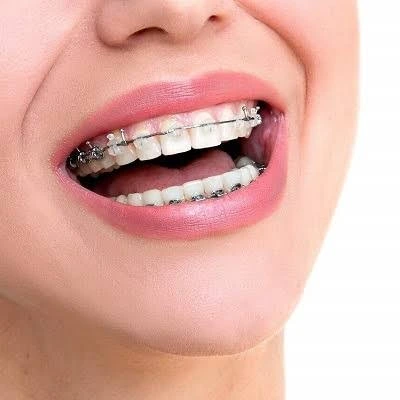
Braces use orthodontic components such as brackets and wires to apply controlled forces to the teeth. Over time, these forces guide individual teeth toward positions established in the treatment plan.
When orthodontic correction is appropriate, braces may help address:
- Crooked teeth
- Crowded teeth
- Gaps between teeth
- Rotated teeth
- Protruding teeth
- Certain overbite concerns
- Certain underbite concerns
- Selected bite irregularities
As treatment progresses, improvements in tooth positioning can create a more organized relationship between the upper and lower teeth. The exact outcome depends on the original alignment, treatment complexity, and individual response.
Why Is Bite Alignment Important?
The bite determines how the upper and lower teeth come together during everyday activities such as biting and chewing.
When teeth are significantly misaligned, certain teeth may not meet as evenly as intended. Improving suitable orthodontic problems can help establish a more balanced dental relationship.
Orthodontic treatment may also support:
- Better tooth positioning
- More organized dental arches
- Improved smile balance
- Correction of suitable bite problems
- Easier access to certain areas during oral hygiene
- Improved chewing function in appropriate cases
However, orthodontic treatment cannot automatically correct every jaw or skeletal problem. A detailed assessment is necessary to identify the underlying concern and determine the most suitable approach.
Personalized Orthodontic Assessment
Every patient’s bite is different. Before braces are placed, the dental team evaluates the teeth, gums, bite, and overall oral condition.
Depending on the individual case, dental photographs, X-rays, or digital scans may be used to evaluate tooth positions, jaw relationships, and orthodontic requirements.
The assessment helps determine:
- Severity of misalignment
- Degree of crowding
- Amount of spacing
- Tooth rotations
- Bite relationship
- Oral health
- Required tooth movement
- Treatment complexity
- Appropriate braces type
This information is then used to create an individualized treatment plan.
Types of Braces for Alignment
Different braces systems may be considered depending on the patient’s needs, lifestyle, and aesthetic preferences.
Metal Braces
Traditional metal braces use brackets and wires to gradually move teeth. They can be suitable for a wide range of orthodontic alignment concerns.
Ceramic Braces
Ceramic braces use tooth-colored components and can provide a more discreet appearance. They may be attractive to patients who want fixed orthodontic treatment with less noticeable brackets.
Self-Ligating Braces
Self-ligating braces use specialized brackets to hold the archwire. Their suitability depends on the patient’s specific orthodontic requirements.
Lingual Braces
Lingual braces are positioned behind the teeth, making them less visible from the front. They may be considered when discreet treatment is a priority and the patient’s case is appropriate.
The best option is determined through professional assessment rather than selecting an appliance based only on appearance.
The Treatment Journey
Orthodontic treatment typically begins with consultation and assessment. Once the dental condition has been evaluated, a personalized plan is prepared.
The treatment process generally includes:
- Consultation and assessment: Teeth, gums, bite, and alignment are examined.
- Treatment planning: An individualized orthodontic strategy is developed.
- Dental preparation: Existing dental concerns may need to be addressed before braces.
- Braces placement: The selected appliance is fitted according to the treatment plan.
- Comfort and care guidance: Patients receive instructions on cleaning, eating, and appliance care.
- Regular adjustments: Follow-up appointments monitor tooth movement and allow necessary adjustments.
How Long Does Treatment Take?
The treatment timeline varies from patient to patient. The current Glamorous Clinic Dubai information indicates that braces typically require around 12 to 24 months, depending on the complexity of the orthodontic case, appliance type, and individual response.
Regular appointments are important throughout treatment because they allow progress to be monitored and the appliance to be adjusted when necessary.
Maintaining Good Oral Health With Braces
Good oral hygiene is essential while undergoing orthodontic treatment. Brackets and wires can make cleaning more challenging and may create additional areas where food particles and plaque accumulate.
Patients should:
- Brush carefully around brackets and wires
- Clean along the gumline
- Use interdental brushes or recommended cleaning devices
- Clean between teeth regularly
- Avoid hard, sticky, and crunchy foods
- Limit sugary foods and drinks
- Attend regular dental and orthodontic appointments
Following professional instructions can help maintain healthy teeth and gums throughout treatment.
What Happens After Braces?
Once active orthodontic treatment is completed, retention becomes an important part of maintaining the improved alignment.
Teeth can naturally shift after braces, so retainers are commonly recommended to help keep teeth in their corrected positions. Following the recommended retention plan can support long-term orthodontic stability.
Patients should also continue routine dental checkups and maintain consistent oral hygiene after treatment.
Why Choose Glamorous Clinic Dubai?
Glamorous Clinic Dubai provides individualized orthodontic treatment planning based on each patient’s tooth alignment, bite, jaw relationship, oral health, lifestyle, and treatment goals.
The consultation allows patients to understand their available braces options, expected treatment duration, daily care requirements, follow-up schedule, and retention needs.
This personalized approach helps create an orthodontic treatment pathway focused on improved alignment and suitable bite correction.
Frequently Asked Questions
Can braces improve an uneven bite?
Braces can improve certain bite problems when they are related to tooth positioning and are suitable for orthodontic correction.
Can braces correct crowded teeth?
Yes, suitable cases of crowded teeth can be gradually repositioned through orthodontic treatment.
Can braces close gaps?
Braces can reduce suitable spaces between teeth through controlled tooth movement. The appropriate approach depends on the cause and extent of the spacing.
How long do braces take?
Treatment commonly takes around 12 to 24 months, although the exact duration varies according to individual case complexity and response.
Are retainers required after braces?
Most patients require retainers after active orthodontic treatment to help maintain the corrected tooth positions.
Improve Your Bite and Smile Alignment
A balanced bite and well-aligned teeth can contribute to a more functional and confident smile. Teeth Braces in Dubai & Abu Dhabi can be considered for suitable cases involving crooked teeth, crowding, spacing, and selected bite concerns.
At Glamorous Clinic Dubai, a personalized orthodontic assessment helps determine the appropriate treatment approach according to your dental condition and goals. Professional guidance can help you understand braces options, treatment stages, oral hygiene requirements, follow-up care, and retention. With consistent care and regular monitoring, Teeth Braces in Dubai & Abu Dhabi can support improved bite relationships, better tooth alignment, and a more balanced smile.