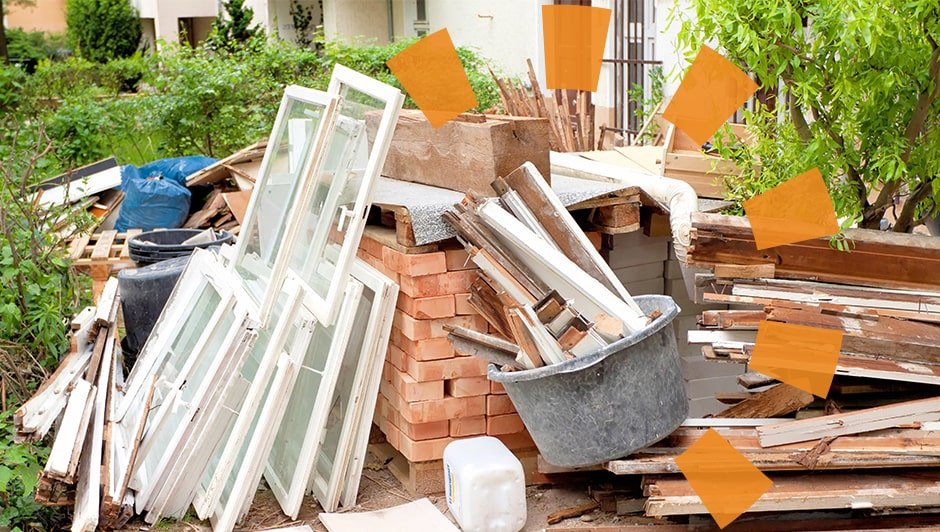
Construction work can transform a property, but it can also leave behind a large amount of unwanted material. Broken bricks, timber, plaster, packaging, tiles, old fittings, and other debris can quickly fill a site. If this waste is not cleared on time, it can make the area difficult to use and create unnecessary safety risks.
Construction Waste Removal offers a practical way to clear unwanted materials after building, renovation, or refurbishment work. A professional team can collect bulky waste and debris, load it carefully, and help leave the property ready for its next stage.
What Is Construction Waste Removal?
Construction waste removal is the process of collecting and clearing unwanted materials produced during building or renovation work. The amount and type of waste can vary depending on the project.
A small home renovation may create plasterboard, tiles, wood, packaging, and old fixtures. A larger commercial project can produce much more material and may require several collections.
Instead of leaving waste around the property, businesses, builders, landlords, and homeowners can arrange a suitable clearance service. This helps keep the work area organised while making it easier for workers to continue their tasks.
Why Is Construction Waste Clearance Important?
Construction waste can take up valuable space. When materials are left around walkways or working areas, they can make movement harder and increase the chance of accidents.
A clean site is easier to manage. Workers can access tools and materials without moving piles of rubbish out of the way. Property owners can also see the progress of a project more clearly.
Timely clearance is especially useful after a renovation. Once the work is complete, removing the leftover debris can help prepare the property for decoration, furnishing, or everyday use.
Common Types of Construction Waste
Every building project creates different waste. Some of the most common materials include:
-
Bricks and rubble
-
Timber and wooden materials
-
Plasterboard
-
Tiles and flooring
-
Packaging materials
-
Old doors and fittings
-
Broken fixtures
-
Metal items
-
Insulation materials
-
General building debris
The type of waste accepted can vary between removal companies. It is always sensible to explain what needs to be collected before arranging a service.
Construction Waste Removal After Renovation
Home and commercial renovations often produce more waste than expected. Removing an old kitchen, bathroom, flooring, or interior walls can leave behind a large amount of unwanted material.
Keeping this waste inside the property can reduce available space and make the final stages of a project more difficult. A clearance service can collect the unwanted materials once the work has been completed.
For homeowners, this means less time spent carrying heavy items outside. For contractors, it can help create a cleaner site for the next stage of work.
Construction Site Clearance for Businesses
Commercial building projects often need efficient waste clearance. Offices, shops, restaurants, warehouses, and other properties may undergo major changes that produce significant amounts of debris.
A professional clearance team can help remove unwanted materials from the site so the business can prepare the property for opening or continued operations.
For larger projects, planned collections can be useful. Regular clearance prevents waste from building up and keeps the site easier to manage.
Benefits of Professional Construction Waste Collection
Handling construction debris without the right equipment can be tiring and time-consuming. Some materials are heavy, awkward, or difficult to transport.
A professional team has experience moving bulky items safely. This can reduce the physical workload for builders, property owners, and staff.
Another benefit is convenience. Rather than arranging transport and making multiple trips, you can have the waste collected in one planned service.
Professional clearance can also improve the appearance of a property. Once debris and unwanted materials have been removed, the space can look cleaner and more prepared for its next purpose.
When Should Construction Waste Be Removed?
There is no single time that works for every project. Some sites benefit from regular collections during construction, while others may only need a final clearance.
For smaller renovations, removal at the end of the project may be enough. Larger sites may require more frequent collections to prevent waste from taking over working areas.
Planning waste collection before the project begins can make the process easier. Builders and property owners can decide where waste will be placed and when it should be cleared.
Preparing for a Construction Waste Collection
Before the removal team arrives, identify the materials that need to be collected. Keeping waste in an accessible location can help make loading quicker.
It is also useful to separate items where possible. Reusable materials should be kept away from general debris, while items that require special handling should be identified in advance.
Make sure the collection area is easy to reach. If waste is located inside a building, provide information about stairs, narrow entrances, lifts, or other access issues.
Good preparation can save time and help the collection run smoothly.
Construction Waste Removal for Homes
Homeowners may need waste clearance after extensions, kitchen upgrades, bathroom renovations, loft conversions, or other improvement projects.
Moving building debris can be difficult, especially when large amounts of waste are involved. Professional collection allows homeowners to focus on completing the project instead of dealing with leftover materials.
It can also help restore the property more quickly. Once the waste has been cleared, the homeowner can move on to cleaning, decorating, and furnishing the renovated space.
Construction Waste Removal for Contractors
Builders and contractors often work under strict schedules. Delays caused by waste can affect the progress of a project.
Having a reliable collection plan means unwanted materials can be removed when required. This helps keep working areas clear and reduces the need for workers to spend valuable time dealing with rubbish.
For contractors managing several projects, using a dependable removal service can make site organisation much easier.
Choosing a Construction Waste Removal Service
When selecting a removal company, consider its experience, vehicle capacity, service area, and the types of materials it accepts.
Clear pricing is also important. Ask what the quoted service includes and whether there are any additional charges for difficult access, large quantities, or specific materials.
Reliability should be another priority. A collection that arrives on time can help prevent unnecessary delays to your project.
It is also worth checking how collected materials are handled. Responsible waste management can help reduce the amount of suitable material that ends up in landfill.
FAQs About Construction Waste Removal
What does construction waste removal include?
It can include the collection of materials such as bricks, rubble, timber, plasterboard, tiles, packaging, old fixtures, and general building debris. The exact materials accepted depend on the removal provider.
Can construction waste be removed after a home renovation?
Yes. Waste collection can be arranged after projects such as kitchen renovations, bathroom upgrades, extensions, flooring work, and other home improvements.
Do I need to remove construction waste myself?
Not necessarily. A professional removal service can collect and load many types of building waste, saving you time and physical effort.
Can businesses use construction waste removal services?
Yes. Commercial properties often require waste clearance after refurbishment, office renovation, shop fitting, or other building work.
How can I prepare for a waste collection?
Keep the waste in an accessible area and separate materials where practical. Tell the removal company about the type and approximate amount of waste and mention any access difficulties before the collection.
A Cleaner Finish to Every Building Project
Construction does not have to end with piles of debris around the property. Proper waste clearance can create a cleaner, safer, and more usable space while saving builders and property owners valuable time. Whether you are completing a small renovation or managing a larger commercial project, Qaswa Logistics can provide practical support for clearing unwanted construction materials and helping you finish the job with a cleaner property.