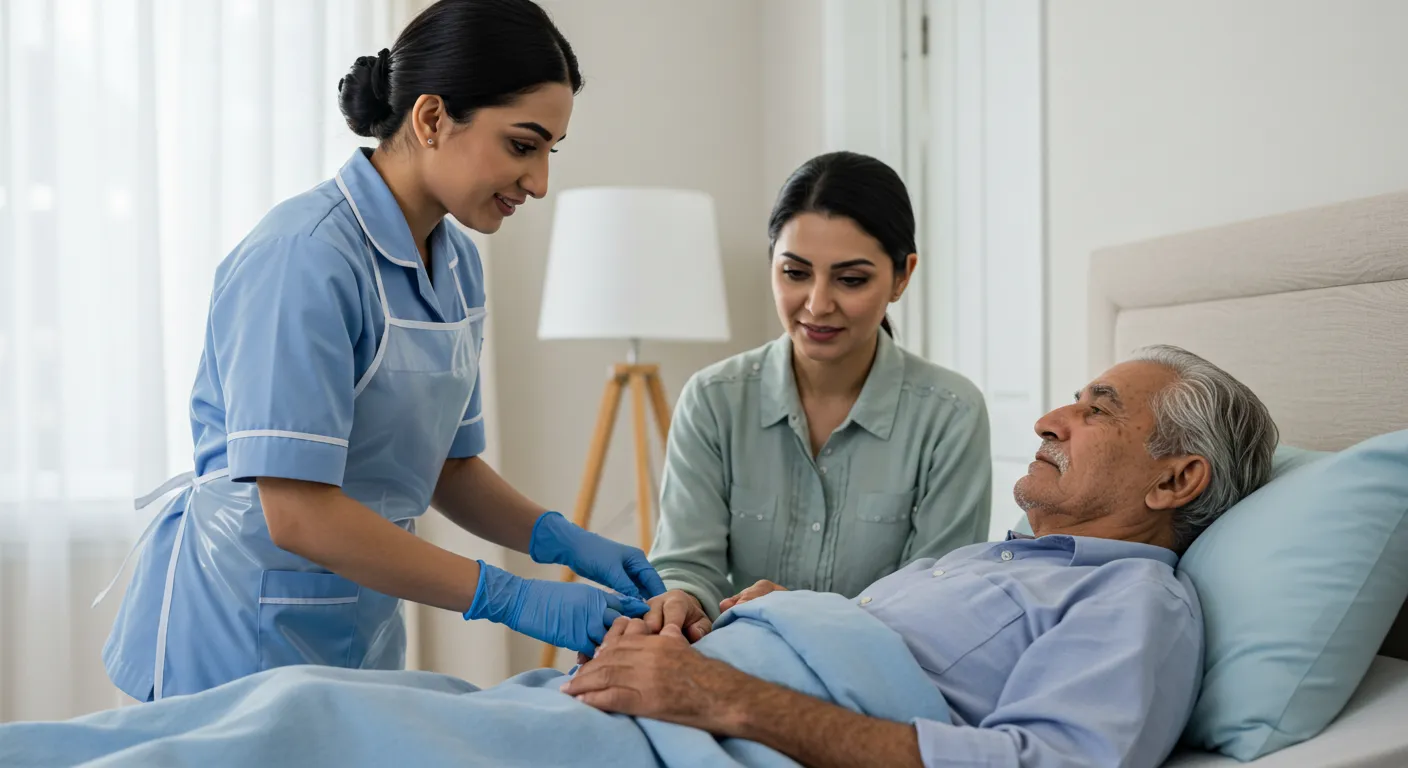
There is something deeply personal about receiving healthcare in your own home. Patients are surrounded by familiar rooms, family members, and everyday routines, yet they may still need the same professionalism and attention they would expect from a clinical setting. Home Nursing Services in Dubai help bridge that gap by bringing trained nursing professionals into the patient’s environment to provide appropriate care, monitoring, and support. While a Doctor at Home can provide medical evaluation when a consultation is needed without leaving the house, nurses often play a more continuous role in everyday care. Their responsibility goes beyond completing clinical tasks; it also involves protecting safety, respecting dignity, listening carefully, and making patients feel genuinely cared for.
Safety Begins Before the Nursing Task:
Safe home nursing starts with understanding the patient rather than immediately performing a procedure. A nurse needs to know the patient’s medical history, current condition, medications, allergies, mobility limitations, and care instructions. The home environment may also need consideration because hazards that are insignificant to a healthy person can create serious risks for someone recovering from illness or living with limited mobility. Before providing care, nurses can assess practical factors such as the patient’s ability to move safely, the cleanliness of the care area, and whether necessary equipment is positioned appropriately. This preparation helps create a safer environment and allows nursing activities to be performed according to the patient’s established care plan.
Professional Skills Make Home Care Safer:
Patients may assume that nursing at home is simply a more relaxed version of hospital care, but professional standards remain important regardless of location. Nurses must apply appropriate clinical knowledge when assisting with medications, wound care, monitoring, hygiene, mobility, and other assigned responsibilities. They also need to recognize when something falls outside their role and requires escalation to a physician or other healthcare professional. Depending on the patient’s needs, nursing tasks may include:
- Administering medications according to prescribed instructions
- Monitoring relevant vital signs
- Providing appropriate wound and dressing care
- Supporting safe mobility and positioning
- Assisting with personal hygiene
- Observing changes in the patient’s condition
- Following infection-control practices
- Communicating relevant observations to the healthcare team
The exact responsibilities should always be determined by the patient’s individual care plan and the nurse’s professional scope.
Infection Prevention Matters at Home Too:
A familiar home environment does not eliminate the need for infection-control practices. Depending on the care being provided, nurses may need to use appropriate hand hygiene, protective equipment, clean supplies, and safe disposal procedures. Wound care, medication administration, and other clinical activities require particular attention to cleanliness. Nurses also need to understand the difference between ordinary household cleanliness and the precautions necessary for specific healthcare tasks. Following appropriate infection-prevention procedures can help reduce avoidable risks, particularly for patients whose immune systems may be weakened or who are recovering from surgery or illness.
Medication Safety Requires Attention to Detail:
Medication errors can have serious consequences, which is why professional nursing requires careful attention to prescriptions and instructions. Nurses can verify the medication, dosage, timing, and method of administration according to the established care plan. They may also observe the patient for relevant changes and communicate concerns to the appropriate healthcare professional. A nurse should not casually alter a medication routine simply because a patient feels better or worse. Changes to treatment should come from an appropriately authorized clinician. Families can support medication safety by keeping prescriptions and relevant medical information organized and informing the nurse about any changes communicated by the patient’s healthcare team.
Compassion Starts With Listening:
Clinical skill answers the question, “How should this task be done?” Compassion asks a different question: “How is this patient experiencing it?” A patient who needs help bathing, dressing, moving, or taking medication may feel vulnerable or frustrated. A compassionate nurse understands that even routine tasks can feel uncomfortable when independence has been reduced. Listening to concerns, explaining what will happen, asking permission before appropriate personal-care activities, and speaking respectfully can help patients feel more in control. These small interactions are not separate from healthcare; they are part of creating a care environment where patients feel safe enough to communicate honestly.
Dignity Should Never Become Optional:
Home nursing can involve highly personal aspects of a patient’s life. Assistance with bathing, toileting, dressing, grooming, or mobility requires sensitivity and professionalism. Nurses should respect privacy and avoid making patients feel embarrassed about needing assistance. Simple practices such as closing doors or curtains when appropriate, explaining procedures, using respectful language, and allowing the patient to make choices where possible can preserve dignity. Patients should not feel that receiving care means giving up control over every aspect of their routine. Good nursing balances necessary assistance with the patient’s right to privacy, personal preferences, and independence.
Nurses Observe More Than Symptoms:
One of the unique aspects of home nursing is that the patient is observed in their natural environment. A nurse may notice practical details that are difficult to capture during a short appointment. Perhaps the patient is struggling to reach the bathroom, becoming unusually tired while eating, having difficulty following a medication routine, or moving differently from previous visits. These observations can provide useful context for the wider healthcare team. Nurses do not independently diagnose every change, but they can document relevant observations and communicate concerns appropriately. This ongoing awareness can strengthen continuity between the patient’s home routine and professional medical care.
Safe Mobility Requires Patience:
Patients recovering from surgery, injury, illness, or prolonged hospitalization may not have the same strength or balance they had before. Rushing a movement can create unnecessary risks. Nurses can provide appropriate assistance with positioning, transfers, and mobility while following the patient’s care plan. They may also encourage patients to perform tasks independently when it is safe to do so. This approach is important because the goal is not simply to prevent movement but to help patients regain confidence and function appropriately. Where specialized rehabilitation is required, nurses can work alongside other healthcare professionals such as physiotherapists.
Families Need Compassionate Communication Too:
Home nursing involves more than a nurse and a patient. Family members are often deeply involved in the care process, and they may have questions, worries, or uncertainty about what they should do. A compassionate nurse can explain appropriate aspects of the care routine and communicate relevant observations without overwhelming relatives with unnecessary information. Clear boundaries are equally important because family members should understand which decisions require medical guidance. When communication is respectful and organized, families can feel more confident while the patient benefits from a coordinated support system.
Technology Can Support Safer Home Care:
Modern healthcare technology can provide additional support in certain home-care situations. Depending on the patient’s needs, nurses may use digital records, remote communication tools, monitoring devices, or other approved technologies to document and communicate relevant information. Technology can improve organization, but it should support rather than replace professional judgment and human interaction. A blood-pressure reading, for example, becomes meaningful when considered alongside the patient’s symptoms and overall condition. The most effective approach combines appropriate technology with professional observation and direct communication.
Recognizing When a Situation Needs More Than Home Nursing:
Professional nurses are an important part of home healthcare, but they are not a substitute for emergency medical services or hospital treatment when those are required. A nurse may identify a concerning change and communicate it to the appropriate healthcare professional, but certain situations require immediate medical evaluation. Families should understand in advance how urgent concerns will be escalated and who should be contacted. If a patient experiences a serious or potentially life-threatening emergency, appropriate emergency medical services should be contacted immediately rather than waiting for the next scheduled nursing visit. Knowing these boundaries is an important part of safe home care.
What Families Should Look for in a Nursing Provider:
The quality of care depends heavily on the professionals and systems behind the service. Families should investigate whether the provider uses appropriately qualified nurses and whether there are clear procedures for patient safety, communication, scheduling, and emergencies. It can also be helpful to ask how nurses are selected and whether they have experience relevant to the patient’s condition. Before choosing a provider, families may want to consider:
- Nurse qualifications and professional experience
- Experience with the patient’s specific care requirements
- Personalized care planning
- Infection-control and safety procedures
- Communication with doctors and family members
- Backup arrangements when a nurse is unavailable
- Privacy and confidentiality practices
- Availability and scheduling flexibility
- Clear information about services and costs
These factors can help families look beyond a service’s promotional claims and evaluate how care will actually work in the home.
Compassion and Safety Work Together:
Safe care without compassion can feel cold, while compassion without professional standards can create unnecessary risks. Quality home nursing requires both. Nurses need the clinical knowledge to perform appropriate tasks safely while also understanding the emotional experience of the person receiving care. A patient may need a medication administered correctly, but they may also need someone to explain what is happening without making them feel rushed. They may need help walking, but they may also need encouragement because they are afraid of falling. Combining technical competence with patience and empathy allows nursing care to address the whole experience rather than focusing only on individual tasks.
Final Thoughts
Providing nursing care at home requires a careful balance of professional expertise, safety awareness, communication, and genuine compassion. Home Nursing Services in Dubai can help patients receive appropriate support while remaining in a familiar environment, whether they are recovering from an illness, managing an ongoing condition, or requiring assistance with everyday healthcare needs. The strongest home nursing experience is one where patients feel both protected and respected. Nurses contribute to this by following care plans carefully, observing changes, maintaining appropriate safety practices, communicating concerns, and treating every patient with dignity. Ultimately, excellent home nursing is not defined only by what a nurse does—it is also defined by how the patient feels while receiving that care: safe, heard, respected, and supported.