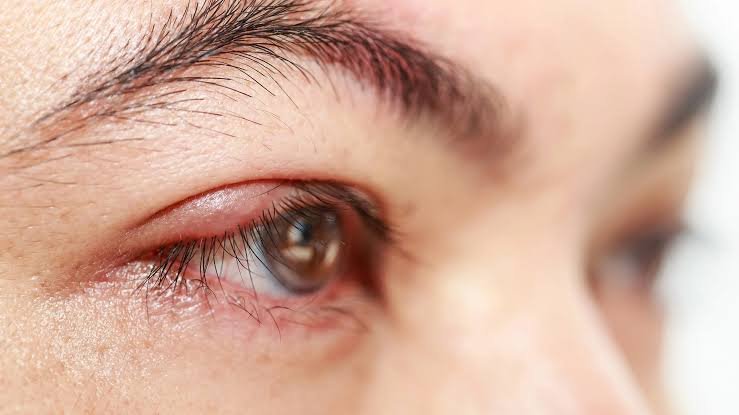
A stye can cause redness, swelling, tenderness, and irritation around the eyelid, making everyday activities uncomfortable. Selecting an appropriate stye treatment spray can help support gentle eyelid hygiene and keep the affected area clean. However, not every eye-area spray has the same ingredients, formulation, or intended use. Understanding product labels, ingredients, application methods, and safety considerations can make treatment decisions more informed. A suitable spray should be designed specifically for use around the eyes and should provide a gentle approach without unnecessary irritation. Proper eyelid care, combined with professional medical advice when needed, can also support recovery and reduce the risk of recurring problems.
How Can a Stye Treatment Spray Help?
A stye treatment spray is generally intended to support eyelid cleansing and hygiene. Certain sprays contain ingredients formulated for sensitive skin around the eyes, helping remove debris, excess oils, and other impurities from the eyelid area.
A spray can be particularly convenient because application may require less direct rubbing than traditional cleansing methods. A suitable formulation can also help maintain a clean eyelid environment while minimizing unnecessary contact with the irritated area.
It is important to understand that an eyelid hygiene spray does not necessarily eliminate the underlying cause of every stye. Product claims should always be reviewed carefully, especially when a spray is marketed specifically as a treatment.
Key Ingredients to Look For
Ingredient selection is one of the most important factors when comparing eye-area sprays. A formulation should be gentle enough for sensitive eyelid skin while serving its intended cleansing or soothing purpose.
Useful considerations include:
- Hypochlorous acid: Certain eye-care formulations use hypochlorous acid for gentle eyelid and skin cleansing.
- Purified water: A simple water-based formula can help reduce unnecessary exposure to harsh ingredients.
- Skin-friendly ingredients: Ingredients designed for sensitive skin may be preferable around delicate eyelid tissue.
- Fragrance-free formulas: Fragrances can increase irritation for sensitive users, making fragrance-free options worth considering.
- Alcohol-free formulations: Alcohol may feel drying or irritating around the eyes.
A short, clearly explained ingredient list can make it easier to understand what a product is designed to do.
Check Whether the Spray Is Made for Eye-Area Use
Not every skin-cleaning spray is appropriate for eyelid care. The skin around the eyes is delicate, and products intended for other parts of the body may contain ingredients that cause unnecessary irritation.
Before purchasing a spray, check the packaging for information about intended use. A product specifically formulated for eyelids, lashes, or the periocular area is generally more suitable than a general-purpose skin spray.
Instructions should also explain whether the product is intended for application directly to the eyelid, onto a cotton pad, or onto another suitable surface.
Consider a Gentle Formulation
A stye can already make the eyelid sensitive. A harsh product may increase discomfort rather than support comfortable cleansing.
A gentle stye treatment spray should ideally avoid unnecessary irritants. Fragrance, strong preservatives, high concentrations of drying ingredients, or unsuitable essential oils may not be appropriate for sensitive eye-area use.
Patch testing is not always practical around the eye, so careful attention to the product’s intended application and safety instructions is especially important.
Look at the Application Method
Ease of application matters because excessive touching or rubbing can aggravate an irritated eyelid. Spray-based products can offer a convenient application method, particularly when the instructions allow cleansing without vigorous rubbing.
Before use, clean hands thoroughly. Follow the manufacturer’s directions carefully and avoid touching the spray nozzle against the eye, eyelashes, or skin. Keeping the container clean can also reduce the chance of contamination.
Consider Preservative and Packaging Information
Packaging can influence product hygiene. A well-designed container can help limit unnecessary contamination during repeated use.
Some eye-area products are preservative-free, while others use preservatives to maintain product stability. Neither approach is automatically suitable for every situation. The important factor is whether the formulation is specifically designed for its intended eye-area application and whether the packaging instructions are followed.
Storage instructions should also be checked. Exposure to excessive heat, sunlight, or improper conditions may affect product quality.
Avoid Products With Unclear Claims
Marketing language can sometimes make a product appear more powerful than the available evidence supports. Terms such as “instant cure” or “guaranteed removal” should be treated cautiously.
A responsible product description should clearly explain its intended purpose, ingredients, directions, and limitations. Products used around the eyes should also provide appropriate safety information.
A spray intended for eyelid hygiene may support cleanliness without functioning as a prescription medicine or antibiotic. Understanding this distinction helps prevent unrealistic expectations.
How to Use a Stye Treatment Spray Safely
Safe application starts with clean hands and careful adherence to the product instructions. The spray should be used only as directed and should not be shared with another person.
General hygiene practices include:
- Wash hands before handling the product.
- Follow the stated application instructions.
- Avoid rubbing or squeezing the stye.
- Keep the applicator or nozzle clean.
- Avoid allowing the container tip to contact the eye.
- Stop use if significant irritation develops.
- Store the product according to the label instructions.
Warm compresses are also commonly recommended for uncomplicated styes because gentle warmth can help loosen blocked gland material and encourage natural drainage. Medical guidance should be followed when symptoms are severe or do not improve.
When Professional Eye Care Is Needed
A spray should not replace professional assessment when symptoms suggest a more serious problem. Medical attention may be appropriate when swelling becomes severe, pain increases significantly, vision changes occur, redness spreads beyond the eyelid, or symptoms continue without improvement.
Repeated styes may also indicate an underlying eyelid condition requiring further evaluation. An eye-care professional can determine whether additional treatment is appropriate.
Common Mistakes to Avoid
Several simple mistakes can make eyelid irritation worse. Squeezing or popping a stye can increase inflammation and potentially spread infection. Applying unsuitable cosmetics or skincare products close to an inflamed eyelid may also cause additional irritation.
Another common mistake is selecting a product based only on the phrase “stye treatment.” Ingredient quality, intended use, safety directions, packaging, and formulation should all be considered before purchase.
The bey co. for Gentle Eyelid Care
The bey co. provides eye-care products designed around practical, gentle hygiene needs. For consumers considering an eye-area spray, The bey co. can offer a convenient option for incorporating eyelid care into a regular routine. Product information, ingredient transparency, intended use, and application guidance remain important factors when evaluating any eyelid hygiene product. A carefully formulated spray can support clean eyelid care while avoiding unnecessary rubbing of sensitive areas. The bey co. is valuable for consumers seeking a straightforward approach to maintaining eyelid hygiene, particularly when product selection is based on formulation, safety information, and appropriate use rather than exaggerated treatment claims.