Selling an old, damaged or unused vehicle can feel like another job added to an already busy week. You need to find a buyer, work out what the car is worth, organise the paperwork, and decide how the vehicle will be collected. When the car is unregistered or no longer running, the process can appear even more complicated.
Fortunately, a little preparation can make the sale much easier. If you are considering a cash for cars Sydney service, use this practical checklist to prepare your vehicle, compare your options and avoid unnecessary delays on collection day.
Gather the Vehicle’s Basic Details
A buyer needs accurate information before providing a meaningful quote. Rather than describing the car as simply “old” or “damaged”, collect the details that may affect its value.
These usually include:
- Make, model and variant.
- Year of manufacture
- Odometer reading
- Registration status
- General mechanical condition
- Exterior and interior condition
- Missing or damaged parts
- Accident or write-off history
- Location of the vehicle
- Whether the vehicle can be safely accessed
Be honest about faults such as engine failure, transmission problems, flood damage or missing wheels. Clear information helps the buyer assess the vehicle properly and reduces the chance the offer will change when the collection team arrives.
If you are unsure about the exact model or variant, check the registration papers, owner’s manual or compliance plate.
Take Clear, Current Photos
Photos help buyers better understand the vehicle’s condition. Take pictures during daylight and show the car from several angles. Include the front, rear, both sides, interior, wheels and engine bay where possible.
You should also photograph any major damage. Hiding a dent, missing component, or accident damage may avoid a difficult conversation at first, but it can create problems during inspection. An accurate photo set supports a more realistic quote and a smoother handover.
Before sharing the images, check that personal documents, house numbers and other private information are not visible.
Remove Your Personal Belongings
Cars often become temporary storage spaces. Before collection, check every compartment carefully, including:
- Glovebox
- Centre console
- Door pockets
- Under the seats
- Boot
- Spare-wheel compartment
- Sun visor holders
- Seat-back pockets
Remove toll tags, parking permits, garage remotes, USB drives, charging cables and child restraints. If the vehicle has a connected infotainment system, delete stored addresses, paired phones and saved contact information.
Check the boot one final time immediately before handover. Small tools, shopping bags and personal paperwork are easy to overlook.
Find the Keys and Relevant Documents
Having the necessary information ready can prevent delays. The exact requirements may depend on the vehicle and its registration status, but the buyer may ask for proof of identity, proof of ownership and relevant vehicle details.
Keep the following items together where available:
- Driver licence or another accepted form of identification
- Registration papers
- Purchase documents or proof of ownership
- Vehicle keys and spare keys
- Service records
- Finance payout information, if applicable
Do not assume that missing keys or expired registration automatically prevents a sale. Explain the situation when requesting a quote so the buyer can tell you what alternatives they may accept.
If the car is registered, confirm the applicable disposal and registration steps with Transport for NSW. Do not leave signed forms or identity documents inside the unattended vehicle.
Confirm That You Have the Right to Sell It
Only the legal owner or a properly authorised representative should arrange the sale. If the vehicle belongs to a family member, business, or deceased estate, you may need to provide additional evidence.
You should also check whether finance remains owing. A vehicle under finance may have a registered security interest, which needs to be addressed before ownership can be transferred. Resolving this early protects both parties and prevents last-minute complications.
Compare Complete Offers, Not Just Headline Amounts
The highest advertised amount isn’t necessarily the best deal. Ask what the quoted price includes and whether towing, administration or inspection charges may be deducted later.
When comparing buyers, consider:
- Whether vehicle collection is included
- How and when payment will be made
- Whether the quote is conditional
- What documents are required
- Whether collection can suit your schedule
- Whether the business accepts the vehicle’s condition
- How ownership and disposal records are handled
Professional scrap car buyers should explain the process clearly. Be cautious if a buyer avoids written confirmation, cannot explain the payment method or pressures you to agree before answering basic questions.
Make the Vehicle Easy to Access
A collection vehicle needs enough room to approach and safely load the car. Let the buyer know in advance if the vehicle is parked in a basement, behind a locked gate, in a narrow driveway or on soft ground.
Mention any access challenges, including:
- Low building clearance
- Steep driveways
- Missing wheels
- Locked steering
- Seized brakes
- Blocked access
- Underground parking
- Vehicles positioned in a backyard or workshop
This information allows the collection team to bring suitable equipment. If possible, move bins, trailers and other vehicles out of the way before the scheduled arrival time. Do not attempt to push or tow an unsafe vehicle yourself.
Understand What May Affect the Offer
Two similar vehicles can receive different offers because value depends on more than age. Buyers may consider the make, model, condition, weight, reusable components, metal value and current demand for parts.
A complete car may be worth more than one that has already been stripped. Valuable components such as the engine, transmission, catalytic converter, battery and wheels can also influence the assessment.
This is why services advertising scrap cars for cash in Sydney generally request specific details before confirming a price. Accurate information gives you a better basis for comparing genuine offers.
Agree on Payment Before Collection
Confirm the final amount and payment process before they load the vehicle. Ask whether payment will be completed by electronic transfer and when it should appear in your account.
Do not rely entirely on a payment screenshot. Verify the transaction through your own banking app or account. You should also request a receipt showing the vehicle details, agreed amount, buyer’s information and date of sale.
Keeping a clear record can help if questions arise after the vehicle has been collected.
Complete a Final Handover Check
Before the car leaves, take a final set of photos showing its condition and collection. Record the buyer’s details and retain copies of the receipt and relevant paperwork.
Your final checklist should include:
- Personal belongings removed
- Toll tag and permits removed.
- Personal data cleared from the infotainment system
- Payment verified
- Receipt received
- Required paperwork completed
- Registration responsibilities confirmed
- Plates handled as required
- Copies of records safely stored
Avoid signing blank or incomplete paperwork. Read each document and confirm that the vehicle information is correct.
Turn an Unused Vehicle Into Usable Space
Old and unwanted cars can occupy valuable space while continuing to deteriorate. Preparing the vehicle properly helps you get an informed quote, organise a safer collection, and complete the sale with better records.
When you are ready to sell your car, provide accurate details, ask what the offer includes and confirm the payment arrangements before agreeing to collection. For more practical vehicle-selling guidance, visit the company’s car removal blog.
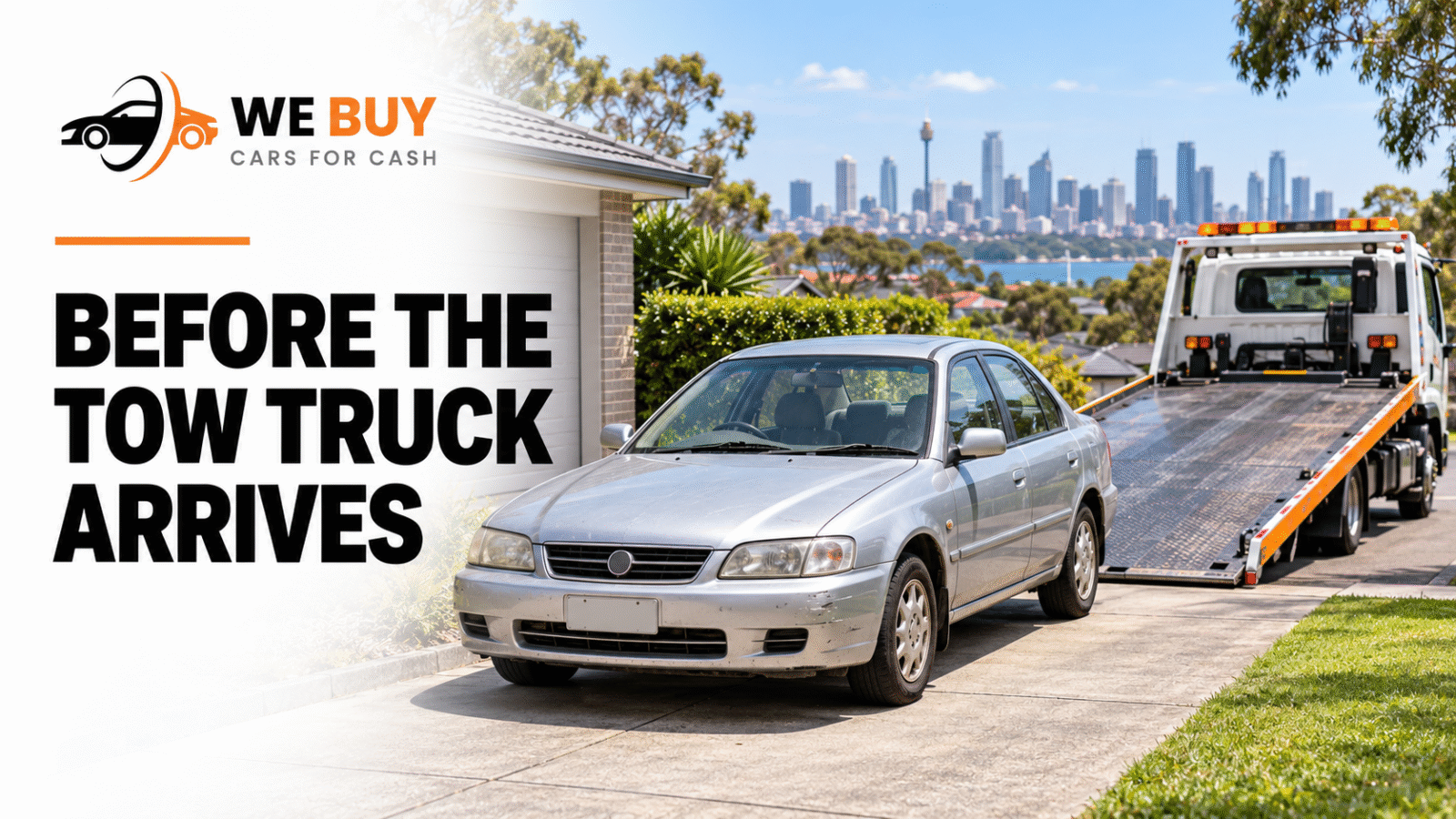
A few careful checks before the tow truck arrives can save time, reduce confusion and make the entire process easier for everyone involved.