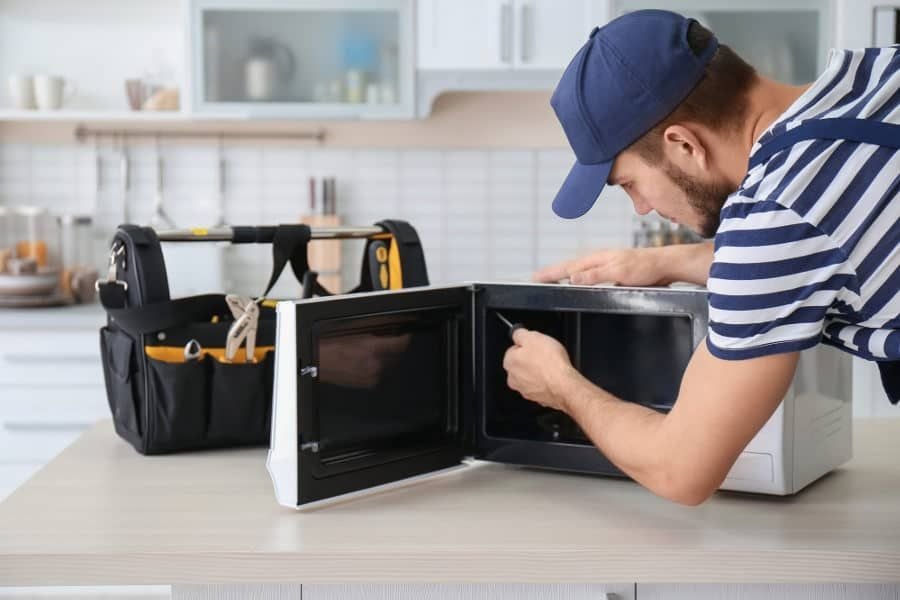
A microwave has become an important part of many kitchens because it makes heating and preparing food quick and convenient. When it stops working properly, simple tasks such as reheating meals, warming drinks, or preparing quick snacks can become difficult. Microwave repair can help address common problems and restore normal operation when the appliance develops a fault. Some issues are easy to notice, such as a microwave that will not start, while others appear through unusual sounds, uneven heating, or repeated shutdowns. Paying attention to these changes can help homeowners recognize a problem before continued use causes additional damage.
Understand Why a Microwave May Stop Heating
One of the most common microwave problems is a unit that runs but does not properly heat food. The display may work, the interior light may turn on, and the turntable may rotate, yet the food remains cold. Microwave repair can involve checking components responsible for producing and distributing heat, along with other electrical and control parts. A microwave that suddenly loses heating ability should not automatically be considered ready for replacement. Different components can create similar symptoms, so identifying the actual cause is important. Homeowners should avoid attempting to access internal high-voltage components because microwaves can retain dangerous electrical energy even after being unplugged.
Check When the Microwave Will Not Start
A microwave that does nothing when the start button is pressed can have several possible causes. The issue may involve the power supply, door switches, control panel, or another internal component. Microwave repair in Sandy Springs can help determine why the appliance is not responding to normal commands. Before assuming there is an internal failure, homeowners can check whether the power cord is properly connected and whether the outlet is working. The door should also close completely before a cycle is started. If the display is completely blank or the appliance repeatedly loses power, continued troubleshooting should be handled carefully rather than repeatedly forcing the controls.
Pay Attention to Unusual Sounds
Microwaves normally produce a steady operating sound, but new or unusually loud noises can indicate that something has changed. Buzzing, grinding, rattling, humming, or clicking sounds may come from different components depending on the situation. Microwave repair can identify whether the sound is connected to the turntable motor, cooling fan, electrical components, or another part of the appliance. A loose tray or incorrectly positioned turntable can sometimes create unnecessary noise, so checking the removable components can be a simple first step. If the sound is new, becomes louder, or occurs with other performance problems, the appliance should be inspected before regular use continues.
Deal With Turntable Problems
The rotating plate helps food heat more evenly by moving it through different areas inside the microwave. When the turntable stops rotating, moves unevenly, or makes unusual sounds, the problem may involve the roller ring, tray, drive coupling, or motor. Microwave repair can help identify which part is preventing normal movement. Homeowners can first make sure the glass tray is positioned correctly and that the roller ring is clean and seated properly. Food particles underneath the tray can sometimes interfere with movement. If the tray remains stationary despite these basic checks, the underlying mechanism may require further attention.
Take Sparking Inside the Microwave Seriously
Sparks inside a microwave should never be treated as a normal part of operation. Sparking can occur because of unsuitable metal objects, damaged interior surfaces, food buildup, or problems with internal components. Microwave repair may be needed when sparking continues after obvious causes have been removed. Before using the appliance again, homeowners should inspect the interior for burned areas, damaged paint, or other visible problems. Metal containers, foil, utensils, and other unsuitable materials should not be placed inside unless specifically designed for microwave use. If sparks appear without an obvious external cause, stopping use and having the appliance inspected is a safer approach.
Inspect the Door and Safety Mechanism
The microwave door plays an important role in normal operation because the appliance is designed to run only when the door is properly closed. Problems with hinges, latches, seals, or door switches can prevent the microwave from starting or cause inconsistent operation. Microwave repair can address issues involving these components when the door no longer functions as intended. The door should close smoothly without excessive force or unusual movement. Homeowners should not attempt to bypass safety switches or operate a microwave with a damaged door. A properly functioning door mechanism is an important part of safe everyday appliance use.
Address Control Panel and Display Problems
Modern microwaves often include digital displays, touchpads, buttons, sensors, and programmed cooking functions. When the display becomes unresponsive or certain buttons stop working, using the appliance can become frustrating. Microwave repair can help determine whether the problem is related to the control panel, electronic board, power supply, or another component. Before assuming there is a major electronic failure, homeowners can check the owner’s manual for basic reset instructions. Repeated error messages can also provide useful information about the type of problem. If controls remain unresponsive after basic steps, professional inspection may be appropriate instead of repeatedly pressing malfunctioning buttons.
Consider Repair Before Replacing the Appliance
A malfunctioning microwave does not always need to be replaced immediately. The right choice can depend on the appliance’s age, condition, type of problem, availability of parts, and expected repair cost. Microwave repair allows the actual fault to be identified before making a replacement decision. A problem involving a smaller component may be more straightforward than a major failure affecting multiple internal systems. For an older microwave, homeowners may also compare the cost of repair with the price of a suitable replacement. Understanding the condition of the appliance can make the decision more practical and prevent unnecessary spending.
Maintain Your Microwave for Everyday Use
Simple care can help keep a microwave clean and ready for regular use. Spills should be cleaned after they cool, food should be covered when appropriate, and the interior should be checked regularly for buildup or damage. Microwave repair may still become necessary because electrical and mechanical components can wear down over time. Avoiding unsuitable containers and following the manufacturer’s instructions can also reduce unnecessary problems. When unusual heating, sounds, sparks, control issues, or door problems appear, addressing them early can help prevent further complications. With proper care and timely attention, a microwave can remain a useful part of the kitchen for everyday meals and quick heating tasks.