A podcast episode can contain an hour or more of valuable conversation, but most audiences will never consume it from beginning to end. Some people discover an episode through a short clip, others watch a few minutes on YouTube, while another listener may only see a quote or discussion shared on social media.
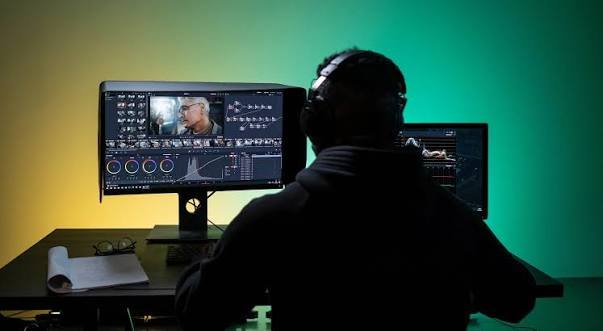
That makes the post-production stage more important than it may initially seem. A well-produced recording can become much more than a single episode when the footage is edited with the wider content strategy in mind. A professional podcast video editing service can help creators turn one recording into a collection of polished, useful pieces without losing the character of the original conversation.
Think Beyond the Full Episode
The finished podcast should remain the central piece of content, but it does not have to be the only one.
Find the Conversations Within the Conversation
Long-form discussions naturally contain smaller stories, opinions, questions, and memorable exchanges. These moments can often stand independently as short videos.
An editor can review the complete recording and identify sections that have a clear beginning, useful context, and satisfying conclusion. Instead of randomly cutting a few minutes from the episode, the goal is to create clips that make sense on their own.
This approach gives creators more opportunities to introduce new audiences to the podcast.
Preserve Context While Cutting
Shortening a conversation is not simply a matter of removing sentences. Cutting too aggressively can leave viewers wondering what the speaker is talking about.
Good editing considers what information the audience needs before the main point arrives. A brief setup may be necessary, while repeated explanations may not be. Finding that balance helps a clip remain understandable without becoming unnecessarily long.
Make the Video Comfortable to Watch
Podcast audiences are there primarily for the conversation, but the visual presentation still affects the experience.
Use Camera Changes With Purpose
Multi-camera podcasts can become visually repetitive when the same shot remains on screen for several minutes. Carefully timed changes between speakers, wider shots, and relevant angles can create movement without distracting from the discussion.
The editing should support the conversation rather than make the viewer notice the editing itself.
Give Audio the Attention It Deserves
Viewers may forgive a simple visual setup, but inconsistent or distracting audio can quickly become frustrating.
Dialogue should be clear and balanced, with unnecessary noise and awkward volume changes addressed during post-production. When people can comfortably follow the conversation, the overall production feels more professional.
Captions Can Add More Than Accessibility
Captions have become a familiar part of short-form content, particularly on mobile devices. They can also help viewers understand important statements when they are watching in environments where audio is unavailable.
Highlight Important Ideas
Well-designed captions can emphasize key phrases without turning the screen into a wall of text. Combined with appropriate formatting and timing, they can guide attention toward the most meaningful parts of a discussion.
The key is restraint. Every word does not need dramatic animation or constant visual effects.
Build a Repeatable Content System
Podcast production becomes easier to manage when editing follows a consistent process.
After each recording, creators can establish a content pipeline: the complete episode, selected highlights, short clips, social-ready versions, and other useful extracts. This creates more opportunities to distribute the ideas from one conversation.
Consistency Matters More Than Constant Reinvention
A recognizable visual style can help a podcast build familiarity. Consistent fonts, captions, framing, graphics, and editing choices can make episodes and clips feel like part of the same brand.
For growing podcasts, an experienced team such as VisionCut Media can help maintain that standard while allowing creators to concentrate on recording conversations and developing ideas.
Conclusion
A podcast recording contains more potential than the final episode alone. Inside a single conversation may be dozens of moments capable of informing, entertaining, or attracting a new audience.
Thoughtful video editing helps uncover those moments while protecting the natural flow of the original discussion. With clear audio, purposeful visuals, useful captions, and carefully selected clips, one recording can become a broader content resource.
The real value of podcast editing is therefore not just making an episode look polished. It is helping good conversations travel further, reach different audiences, and continue creating value long after the recording has ended.