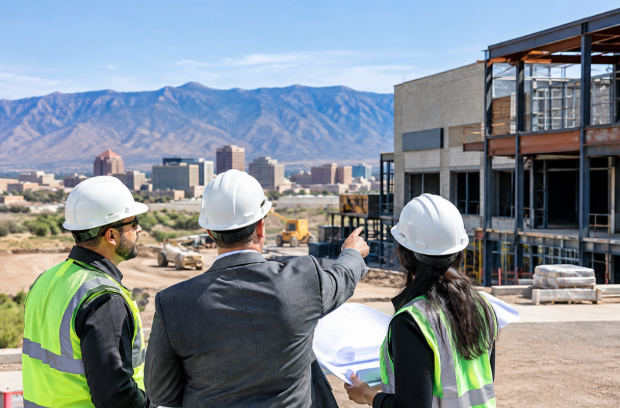
Commercial construction projects involve considerably more coordination, regulatory oversight, and technical planning than most residential jobs; choosing who leads the project is one of the most consequential decisions a business will make. Selecting the right commercial building contractor in the middle of planning a new build or renovation directly affects timeline, budget, and the overall quality of the finished space. Understanding what separates a capable contractor from a risky choice helps business owners and property developers approach this decision with more confidence.
Why Commercial Projects Demand Specialized Expertise
Unlike residential construction, commercial projects typically involve more complex code requirements, larger-scale systems like HVAC and electrical infrastructure, and coordination across multiple trades working simultaneously. A qualified commercial building contractor brings experience navigating permitting processes, inspection schedules, and the logistical demands of larger-scale builds that differ significantly from smaller residential work. This specialized knowledge often determines whether a project stays on schedule or encounters costly delays from overlooked regulatory requirements.
Evaluating Experience and Project History
Reviewing a contractor’s portfolio of completed commercial projects, particularly those similar in scope and building type, offers meaningful insight into their capability and reliability. Contractors experienced in delivering commercial construction services for office buildings, retail spaces, or industrial facilities bring relevant knowledge that generalist builders may lack. Asking for references from recent clients and, where possible, visiting completed projects helps verify that a contractor’s portfolio reflects consistent quality rather than a few standout examples.
Understanding Licensing and Insurance Requirements
Commercial contractors must carry specific licensing appropriate to the scope and location of the project, along with adequate insurance coverage protecting against liability, property damage, and workplace injuries. Verifying current licensing status and requesting proof of insurance before signing a contract protects property owners from significant financial and legal exposure. A commercial building contractor unwilling to provide this documentation promptly is generally a warning sign worth taking seriously.
How Project Timelines and Budgets Are Typically Structured
Commercial projects usually involve detailed timelines broken into phases, from site preparation and permitting through construction, inspections, and final walkthrough. Understanding how a contractor structures payment schedules, typically tied to project milestones rather than a single upfront payment, helps property owners manage cash flow and hold contractors accountable for progress. Clear communication about how change orders and unexpected costs will be handled also helps prevent budget disputes later in the project.
The Importance of Clear Communication
Projects involving multiple subcontractors, inspectors, and stakeholders require a contractor capable of coordinating communication effectively across all parties involved. Regular progress updates, transparent handling of delays or issues, and responsiveness to client questions all contribute to a smoother overall experience. Contractors offering comprehensive commercial construction services typically designate a dedicated project manager to serve as the primary point of contact throughout the build.
Assessing Subcontractor Relationships
Most commercial contractors rely on a network of subcontractors for specialized work like electrical, plumbing, and mechanical systems, making the quality of these relationships an important factor in overall project reliability. Established relationships with experienced, licensed subcontractors generally result in smoother coordination and fewer scheduling conflicts than contractors assembling teams project by project. Asking about a contractor’s typical subcontractor partnerships offers useful insight into how consistently a project team works together.
Red Flags Worth Watching For
Unusually low bids compared to other estimates can sometimes indicate corners will be cut or costs added later through change orders. Reluctance to provide detailed written contracts, incomplete documentation, or vague answers about licensing and insurance are all worth taking seriously when evaluating potential contractors. Taking time to compare multiple detailed proposals, rather than selecting based on price alone, generally results in a more reliable project outcome.
Conclusion
Businesses researching commercial construction services benefit from thorough vetting, including reviewing project history, verifying licensing, and evaluating communication practices before signing a contract. Selecting a contractor suited to a project’s specific scope and complexity ultimately affects timeline, budget, and the quality of the finished space. Careful due diligence upfront helps ensure a commercial construction project proceeds smoothly from planning through completion.