Looking for an unforgettable way to reach Machu Picchu? The Best Salkantay Trek combines dramatic Andean scenery, high mountain passes, turquoise lakes, cloud forests, and the ancient wonder of Machu Picchu. Unlike a single-landscape hike, this route takes travelers through several distinct ecosystems in one journey.
According to Peru Travel, the traditional Salkantay route covers roughly 60 km and is commonly completed in five days and four nights. It begins around Mollepata and passes landmarks including Humantay Lake, Salkantay Mountain, Aguas Calientes, and Machu Picchu.
Table of Contents
- What Is the Salkantay Trek?
- Why Choose This Route?
- What Does the 5-Day Trek Include?
- When Is the Best Time to Go?
- Who Can Do the Trek?
- FAQs
What Is the Best Salkantay Trek?
The Best Salkantay Trek is a multi-day hiking route through the Peruvian Andes that leads travelers toward Machu Picchu. A popular five-day, four-night version combines challenging mountain hiking with changing landscapes and a guided visit to the famous Inca citadel.
A current five-day itinerary offered with us covers approximately 70 km and includes Humantay Lake, Salkantay Mountain, cloud forests, and Machu Picchu.
Why Is Salkantay Popular?
The route appeals to travelers who want:
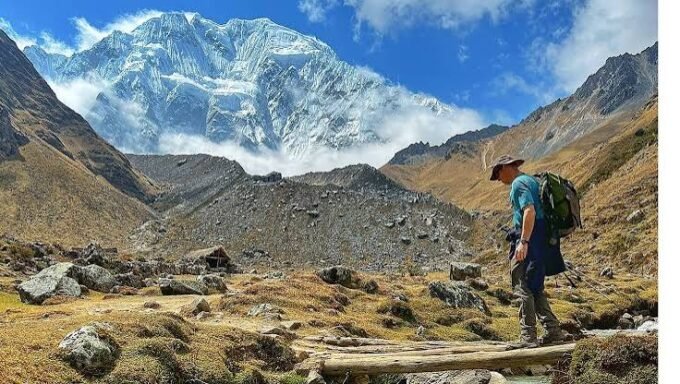
- Snow-covered Andean Mountain scenery
- Humantay Lake and its striking turquoise water
- High-altitude trekking around Salkantay
- Cloud forests and warmer valleys
- A memorable journey ending at Machu Picchu
Machu Picchu itself is a UNESCO World Heritage site and one of Peru’s most important cultural attractions.
What Does a 5-Day Trek Machu Picchu Salkantay Itinerary Look Like?
A typical journey gradually changes from high mountain terrain to greener, warmer landscapes.
|
Day |
Main Experience |
|
Day 1 |
Cusco, Soraypampa and Humantay Lake |
|
Day 2 |
Salkantay Pass and descent |
|
Day 3 |
Cloud forest and local communities |
|
Day 4 |
Route toward Aguas Calientes |
|
Day 5 |
Machu Picchu and return journey |
Exact routes, camps, transport, and activities vary by operator. Alpaca Expeditions currently describes its five-day itinerary as a challenging trek with supported logistics, guides, porters, meals, and Machu Picchu entry.
When Is the Best Time for the Best Salkantay Trek?
The dry season, generally April through October, is commonly recommended for clearer skies and drier trail conditions. April and October can also appeal to travelers looking for shoulder-season conditions.
Always check current trail conditions and operator guidance before departure.
Who Should Choose This Trek?
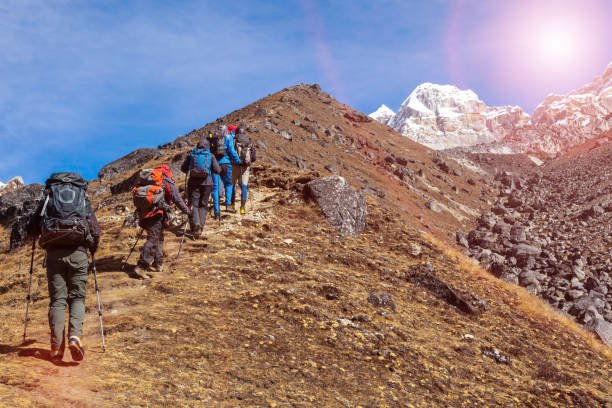
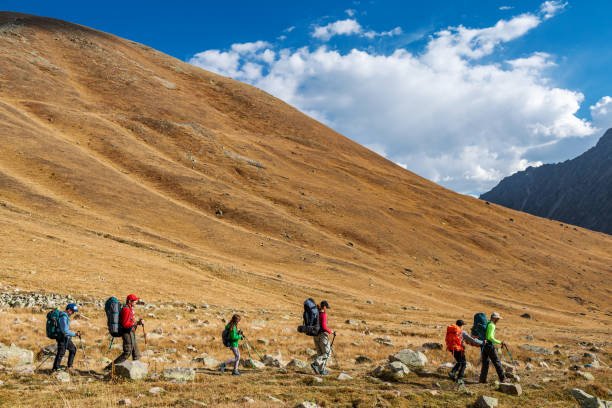
The Best Salkantay Trek is suitable for active travelers comfortable with long hiking days and significant altitude changes. Good preparation matters because the route reaches high elevations before descending into lower, warmer environments.
Train with uphill walking, longer hikes, and stair climbing before arriving in Peru. Allow time in Cusco for acclimatization, stay hydrated, and pack layers because mountain weather can change quickly.
Conclusion
The Best Salkantay Trek offers more than a route to Machu Picchu. It is an immersive journey through the Andes, connecting dramatic mountain landscapes with tropical valleys and one of the world’s most remarkable archaeological sites.
For travelers planning a Trek Machu Picchu Salkantay adventure, choosing an experienced operator and preparing properly can make the journey more comfortable and organized.
Explore the 5-day Salkantay Trek to Machu Picchu with us and start planning your Peru adventure.
FAQs
Is the Salkantay Trek difficult?
Yes. It is generally considered challenging because of altitude, steep sections, and multiple long hiking days.
Does Salkantay Trek go to Machu Picchu?
Yes. The route ultimately takes travelers to Machu Picchu, generally through Aguas Calientes before the guided visit.
Can beginners do the trek?
Active beginners can consider it with proper preparation and acclimatization, but the physical demands should not be underestimated.
Should I book with a trekking operator?
A reputable operator can arrange guides, transportation, accommodation, meals, permits or entries, and trail logistics, making a complex multi-day journey easier to manage.