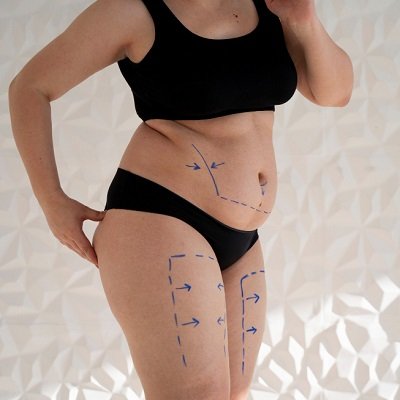
Achieving and maintaining a healthy body weight is about much more than following a short-term diet or spending a few weeks exercising. Sustainable weight management usually requires a practical approach that considers nutrition, physical activity, sleep, daily habits, emotional well-being, and, when appropriate, professional medical support. For people exploring Weight Loss Treatment in Oman, understanding the available approaches can make it easier to choose a safe and realistic path toward long-term results.
Weight loss treatment is not necessarily about reaching the lowest possible number on the weighing scale. Instead, the focus should be on improving overall health, reducing excess body fat, supporting healthy metabolic function, and developing habits that can be maintained over time. A suitable treatment plan may differ from one person to another because factors such as age, current weight, medical history, lifestyle, eating patterns, and individual goals can all influence outcomes.
Understanding Weight Loss Treatment
Weight loss treatment generally refers to a structured approach designed to help an individual reduce excess body weight and maintain those changes over time. It can range from lifestyle modification and nutritional guidance to medically supervised interventions for people who may benefit from additional support.
A sustainable plan usually begins with an assessment rather than immediately recommending a particular treatment. A healthcare professional may consider body mass index, waist circumference, existing health conditions, medications, dietary habits, activity levels, and previous weight-loss attempts.
This assessment is important because excess weight can have different causes. For some people, calorie intake and physical inactivity may be the primary factors. Others may experience weight changes associated with hormonal conditions, certain medications, sleep problems, stress, genetics, or other health-related factors.
The goal is therefore not simply to lose weight quickly. A responsible approach identifies the factors contributing to weight gain and creates a strategy that can realistically fit into everyday life.
Why Sustainable Weight Loss Matters
Rapid weight loss can appear attractive, particularly when restrictive diets promise dramatic results within a short period. However, extremely restrictive approaches may be difficult to maintain and can encourage cycles of weight loss and regain.
Sustainable weight loss takes a different approach. It emphasizes gradual improvements that can become part of a person’s regular routine. This may include choosing more nutrient-dense foods, improving portion awareness, becoming more physically active, sleeping adequately, and developing healthier responses to stress.
Even a moderate reduction in body weight can be meaningful for some individuals. Improvements in blood pressure, blood sugar regulation, mobility, energy levels, and other aspects of health may occur when excess weight is reduced.
Another important consideration is weight maintenance. Losing weight is only one part of the process. Keeping the weight off requires habits that remain practical after the initial treatment period. A successful weight management plan therefore considers both the weight-loss phase and the long-term maintenance phase.
Common Approaches to Weight Loss Treatment in Oman
People searching for Weight Loss Treatment in Oman may encounter several different approaches. The most appropriate option depends on individual health needs and should be selected with qualified professional guidance.
Nutrition and Lifestyle Modification
Nutrition is often one of the foundations of weight management. Rather than eliminating entire food groups without a clear reason, a balanced plan can focus on appropriate portions, adequate protein, fiber-rich foods, vegetables, fruits, whole grains, and healthier sources of fats.
Lifestyle changes may also involve reducing frequent consumption of highly processed foods, sugary beverages, and excessive snacks. However, successful nutrition plans do not necessarily require completely avoiding favorite foods. A flexible approach can make healthy eating easier to maintain.
Physical activity is another important component. Walking, strength training, swimming, cycling, or other enjoyable activities can support calorie expenditure, cardiovascular health, muscle strength, and general well-being. The ideal activity plan should reflect the person’s fitness level and physical limitations.
Behavioral Support
Eating behavior is influenced by more than hunger. Stress, boredom, social situations, sleep deprivation, and emotional factors can affect food choices and portion sizes.
Behavior-focused weight management can help individuals identify patterns that make weight control difficult. Keeping track of meals, recognizing triggers for overeating, improving meal planning, and establishing consistent routines can all contribute to better long-term outcomes.
Medically Supervised Weight Management
Some individuals may require more than lifestyle changes alone. Depending on a person’s health profile and eligibility, a healthcare professional may consider medical weight-management options.
These may include prescription treatments designed to support appetite regulation, reduce food intake, or influence certain metabolic pathways. Such treatments should only be used under appropriate medical supervision because they are not suitable for everyone and may have contraindications or side effects.
Medical treatment should generally complement healthy lifestyle habits rather than replace them. Nutrition, physical activity, sleep, and behavioral changes remain important components of long-term weight management.
Bariatric or Metabolic Procedures
For individuals living with significant obesity and related health risks, certain surgical or procedural approaches may be considered. These interventions can lead to substantial weight reduction in appropriately selected patients.
However, they are not a quick cosmetic solution. Candidates generally require careful assessment, preparation, follow-up, and long-term lifestyle changes. Professional evaluation is essential to determine whether such an approach is appropriate.
How to Choose a Safe Weight Loss Plan
Choosing a weight-loss approach can feel overwhelming because there are countless diets, supplements, programs, and online claims. A safer strategy is to focus on evidence-based principles and individualized care.
A reputable treatment plan should begin with an assessment of the person’s health rather than promising identical results for everyone. Unrealistic guarantees such as losing a very large amount of weight within an exceptionally short period should be approached cautiously.
It is also important to understand what the treatment involves. Individuals may want to ask about expected benefits, possible risks, treatment duration, follow-up requirements, lifestyle recommendations, and what happens after the initial weight-loss phase.
Supplements and non-prescription weight-loss products also deserve caution. “Natural” does not automatically mean safe, and some products may interact with medications or contain ingredients that are unsuitable for certain people.
A qualified healthcare professional can help distinguish between appropriate interventions and approaches that may carry unnecessary risks.
Building Habits That Support Long-Term Results
The most effective weight management strategy is often one that can fit naturally into everyday life. Small, consistent changes may be easier to maintain than dramatic restrictions.
For example, an individual might begin by increasing daily walking, replacing some sugary drinks with water, adding vegetables to meals, establishing regular meal times, or improving sleep habits. Once these behaviors become routine, additional goals can be introduced.
Sleep deserves particular attention. Poor or inconsistent sleep can affect appetite, energy, mood, and food choices. Establishing a regular sleep schedule can therefore support broader weight-management efforts.
Stress management can also be valuable. Relaxation techniques, physical activity, social support, hobbies, and professional counseling when appropriate may help reduce stress-related eating.
Tracking progress can provide useful information, but the weighing scale should not be the only measure of success. Changes in waist measurements, physical fitness, energy, clothing fit, eating habits, and health markers may also indicate meaningful progress.
What to Expect From Weight Loss Treatment in Oman
Individuals considering Weight Loss Treatment in Oman should understand that results vary considerably. Weight loss can be affected by starting weight, age, genetics, medical conditions, medications, dietary habits, physical activity, sleep, and adherence to the treatment plan.
Some people may see noticeable changes relatively quickly, while others may progress more gradually. A slower pace does not necessarily mean that treatment is unsuccessful.
Regular follow-up can be particularly helpful. It allows progress to be assessed, challenges to be identified, and the treatment plan to be adjusted when necessary. If weight loss plateaus, the solution may involve reviewing dietary intake, activity levels, sleep, medications, or other contributing factors rather than simply adopting a more restrictive diet.
Long-term maintenance should also be discussed from the beginning. Once an individual reaches a healthier weight, continuing supportive habits is essential because the body may respond to weight loss with changes in appetite and energy expenditure.
Ultimately, sustainable weight management is a long-term health process rather than a temporary challenge. With realistic goals, appropriate professional guidance, and consistent lifestyle changes, individuals can work toward healthier body weight while also improving their overall quality of life.
Frequently Asked Questions
1. What is Weight Loss Treatment in Oman?
Weight Loss Treatment in Oman refers to structured approaches used to help individuals manage excess body weight. Depending on the person’s health and goals, treatment may include nutrition planning, physical activity, behavioral support, medically supervised treatments, or appropriate procedures.
2. Is weight loss treatment suitable for everyone?
Not every treatment is appropriate for every individual. Factors such as medical history, current weight, medications, existing health conditions, age, and previous weight-loss attempts should be considered before selecting an approach. Professional assessment can help determine the safest option.
3. How quickly can someone lose weight with treatment?
The rate of weight loss varies from person to person. A gradual and sustainable reduction is generally more realistic than expecting dramatic changes within a few weeks. The appropriate pace depends on individual circumstances and the treatment approach being used.
4. Can lifestyle changes alone help with weight management?
Yes. Nutrition, physical activity, sleep, stress management, and behavioral changes can play an important role in weight management. Some individuals may achieve meaningful results through lifestyle changes alone, while others may benefit from additional professional or medical support.
5. Are medical weight-loss treatments safe?
Some medical treatments can be appropriate for eligible individuals when prescribed and monitored by qualified healthcare professionals. However, they can have risks, side effects, or contraindications. They should not be started without suitable medical evaluation.
6. What happens after reaching the desired weight?
Weight maintenance becomes the next priority. Continuing healthy eating patterns, regular physical activity, adequate sleep, and other supportive habits can help reduce the likelihood of regaining weight. Ongoing professional follow-up may also be useful for some individuals.
Read More About Weight Loss Treatment: https://linkmate.mn.co/posts/what-your-progress-may-look-like-during-weight-loss-treatment