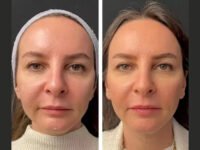
Glutathione injections have become increasingly popular among people exploring treatments related to skin appearance, antioxidant support, and general wellness. Glutathione is a naturally occurring antioxidant produced by the body, where it helps protect cells from oxidative stress and supports several important biological processes.
However, the fact that glutathione occurs naturally in the body does not automatically mean that injectable glutathione is appropriate or risk-free for everyone. Injection-based treatments require proper assessment, appropriate medical supervision, sterile preparation, and careful consideration of an individual’s health history.
Anyone considering Glutathione Injections can benefit from having an informed conversation with a qualified healthcare provider before treatment. Asking the right questions can help clarify whether the treatment is suitable, what benefits may realistically be expected, what risks exist, and how the product will be administered.
What Are Glutathione Injections?
Glutathione is made from three amino acids and functions as an important antioxidant within the body. It helps neutralize certain free radicals and participates in processes involved in cellular protection and metabolism.
Glutathione injections deliver the substance directly into the body rather than relying on oral absorption. They may be administered in different clinical settings depending on the formulation and intended use.
Some people seek injectable glutathione for cosmetic purposes, particularly for skin-brightening or complexion-related goals. Others may be interested in its antioxidant properties or use it as part of a broader wellness approach.
It is important to distinguish between a naturally occurring substance and an established medical treatment. The evidence supporting injectable glutathione for cosmetic purposes is limited compared with its established biological role in the body. A healthcare provider can explain what evidence exists for the particular reason someone is considering treatment.
Why Is a Safety Consultation Important?
A consultation should come before any injection. Injectable treatments involve more considerations than simply choosing a product and receiving an injection.
A provider may review a person’s medical history, current medications, allergies, previous reactions to injections, and relevant health conditions. This information can help identify circumstances in which treatment may need to be avoided, modified, or discussed more carefully.
The consultation is also an opportunity to establish realistic expectations. Marketing materials sometimes present glutathione injections as capable of producing broad or dramatic health and cosmetic benefits. A qualified provider should distinguish established evidence from claims that remain uncertain.
A person considering treatment may want to ask:
- Why is glutathione being recommended?
- What evidence supports its use for the intended purpose?
- Are there alternatives that may be more appropriate?
- What potential side effects should be expected?
- How will the treatment be monitored?
- What should be done if a reaction occurs?
A detailed consultation can make the treatment decision more informed and individualized.
Questions to Ask About the Glutathione Product
One of the most important parts of the conversation involves understanding exactly what will be injected.
Patients can ask the provider where the glutathione product comes from and whether it has been prepared and stored according to applicable safety requirements. They can also ask whether the product is intended for injection and how its quality is verified.
Useful questions include:
1. What exactly is being injected?
The provider should be able to explain the formulation, concentration, and purpose of the product in understandable language.
2. Where does the product come from?
Knowing the source and supply chain can provide useful information about product quality and handling.
3. How is the product stored?
Storage conditions can affect certain injectable products. A provider should be able to explain how the product is stored and handled before administration.
4. Is the product appropriate for injection?
Products intended for oral or other uses should not automatically be assumed to be suitable for injection.
5. How is sterility maintained?
Because injections bypass the body’s normal protective barriers, sterile preparation and handling are essential.
These questions are particularly relevant when treatment is obtained outside a conventional medical setting.
What Are the Potential Risks of Glutathione Injections?
No injectable treatment is completely without risk. The possible risks can vary depending on the formulation, dose, route of administration, preparation standards, and individual health factors.
Injection-site problems can include pain, redness, swelling, irritation, or bruising. More serious reactions may occur in some circumstances, including allergic or hypersensitivity reactions.
There have also been safety concerns reported in connection with improperly compounded or contaminated injectable glutathione products. The risk associated with a particular product cannot be determined simply from the name “glutathione.”
People should therefore ask what warning signs require immediate medical attention. Symptoms such as difficulty breathing, significant swelling, severe dizziness, or other signs of a serious allergic reaction require urgent medical evaluation.
Another important consideration is that cosmetic use may involve repeated treatments. Someone considering a series of injections should ask whether there is evidence supporting repeated administration and whether the potential benefits justify the cumulative exposure and inconvenience.
How Can Someone Evaluate Whether the Treatment Is Appropriate?
There is no universal answer to whether glutathione injections are appropriate. The decision depends on the individual’s purpose, health circumstances, treatment goals, and the evidence supporting the proposed use.
For cosmetic goals, expectations should be especially realistic. Although glutathione has been investigated for effects on pigmentation and skin appearance, research has limitations, including differences in study design, dosage, treatment duration, and administration methods.
A provider should explain what results are reasonably expected rather than promising guaranteed changes.
People can also ask how success will be measured. For example, if the goal relates to skin appearance, the provider may explain what type of change could realistically occur and over what period. If the expected benefit is unclear, that uncertainty should be part of the decision-making process.
A responsible consultation should also include alternatives. Depending on the goal, there may be established topical, behavioral, or medical options with a different evidence base and risk profile.
What Should Be Discussed Before Receiving an Injection?
A complete medical history can be particularly important before injectable treatment.
Patients should tell their healthcare provider about relevant allergies, medications, supplements, previous reactions to injections, pregnancy or breastfeeding when applicable, and significant medical conditions. They should not assume that a treatment is suitable simply because it has been described as a wellness or cosmetic procedure.
It is also useful to ask about aftercare. Questions can include:
- Is there anything that should be avoided before or after treatment?
- What reactions are considered normal?
- How long might injection-site discomfort last?
- When should the provider be contacted?
- What symptoms require urgent medical attention?
- Is follow-up necessary?
A provider should give clear instructions rather than leaving the patient to search for answers after the procedure.
Choosing a Safe Setting for Glutathione Injections
The setting in which an injection is provided matters. A person should look for an environment where appropriate infection-control practices are followed and where qualified healthcare professionals are responsible for administering the treatment.
Clean equipment, proper hand hygiene, appropriate disposal of needles, suitable storage of injectable products, and clear emergency procedures are important aspects of safe injection practice.
A person should also be cautious about providers who make unusually broad promises, dismiss questions about safety, or discourage patients from discussing medical history.
Transparency is an important part of informed healthcare. Patients should feel comfortable asking questions about the product, administration process, potential risks, expected benefits, and alternatives.
The goal of a consultation should not simply be to encourage treatment. It should help an individual understand the available information well enough to make a thoughtful decision.
Frequently Asked Questions About Glutathione Injections
1. Are glutathione injections safe for everyone?
No treatment can be considered universally safe for everyone. Individual health conditions, allergies, medications, the product used, and the method of administration can all affect risk. A qualified healthcare provider should assess whether the treatment is appropriate for a particular person.
2. What are glutathione injections commonly used for?
Glutathione injections may be sought for antioxidant-related or cosmetic purposes, including attempts to improve skin appearance. However, evidence for some cosmetic claims remains limited, so individuals should discuss the intended purpose and available research with a healthcare provider.
3. Can glutathione injections cause side effects?
Yes. Possible problems can include injection-site pain, redness, swelling, bruising, or irritation. More serious reactions can also occur. Anyone experiencing symptoms suggesting a severe allergic reaction should seek urgent medical attention.
4. How should someone choose a provider for glutathione injections?
A person should look for a qualified healthcare professional working in an appropriate clinical setting. The provider should be willing to explain the product, preparation, administration method, potential risks, expected benefits, and aftercare.
5. Should medical history be discussed before glutathione injections?
Yes. Relevant allergies, medications, supplements, medical conditions, previous injection reactions, and other important health information should be discussed before treatment. This helps the provider evaluate potential risks and determine whether the treatment is appropriate.
6. Are glutathione injections proven to provide dramatic skin-lightening results?
The evidence does not establish dramatic or guaranteed skin-lightening results. Research into glutathione and pigmentation has produced findings of interest, but limitations remain, particularly regarding injectable cosmetic use. Anyone considering treatment should discuss the evidence and realistic expectations with a qualified provider.
Final Thoughts
Glutathione injections may attract attention because glutathione plays an important antioxidant role in the body and is often promoted for cosmetic and wellness purposes. However, injectable treatments require more careful consideration than simply choosing a popular wellness procedure.
Asking detailed questions about the product, source, sterility, administration, potential side effects, expected benefits, alternatives, and aftercare can help people approach treatment more safely. A qualified healthcare provider should be prepared to discuss both potential benefits and limitations without making unrealistic promises.
Ultimately, informed decision-making starts with understanding what is known, what remains uncertain, and how the treatment may apply to an individual’s circumstances. Anyone considering glutathione injections should have a thorough consultation before proceeding and should seek urgent medical care if serious symptoms develop after an injection.
Read More About Glutathione Injections: https://linkmate.mn.co/posts/how-are-glutathione-injections-administered