A damaged, weakened, or heavily restored tooth can affect much more than your smile. It may make chewing uncomfortable, increase sensitivity, or leave you hesitant to speak and laugh naturally. Dental crowns offer a practical way to protect compromised teeth while also improving their appearance. With modern materials and digital dentistry, Dental Crowns in Dubai can be designed to look natural while providing the strength needed for everyday use. Rather than simply covering a tooth, a well-designed crown can become an important part of a comprehensive restorative dental plan.
What Exactly Is a Dental Crown?
A dental crown is a custom-made restoration that fits over a prepared tooth. It is designed to restore the tooth’s shape, size, strength, and appearance after significant damage or structural loss. Crowns can be manufactured from different materials, including porcelain, ceramic, zirconia, and certain metal-based options.
The choice depends on factors such as the location of the tooth, the amount of remaining natural structure, bite pressure, aesthetic expectations, and the dentist’s recommendation. Front teeth often require an especially natural appearance, while back teeth may require materials selected primarily for durability and resistance to chewing forces.
When Might a Tooth Need a Crown?
Not every damaged tooth requires a crown. However, a dentist may recommend one when a tooth has lost enough structure that a conventional filling may not provide sufficient protection. Large cavities, fractures, extensive fillings, and certain types of wear can leave a tooth vulnerable to further damage.
Crowns are also commonly considered after root canal treatment. Because a tooth that has undergone extensive treatment may require additional structural protection, a crown can help restore its function. The dentist first evaluates the tooth carefully to determine whether it can support a crown and whether another treatment would be more appropriate.
The Role of Crowns in Smile Improvement
Restorative dentistry and cosmetic dentistry often overlap. A crown is primarily intended to restore a compromised tooth, but its design can also influence the overall appearance of a smile.
Modern dental crowns can be customized according to tooth shade, shape, proportions, and surrounding teeth. This allows the restoration to blend more naturally rather than appearing noticeably different from the rest of the smile. For patients concerned about aesthetics, factors such as translucency, surface texture, and color matching can be discussed before fabrication.
The goal is not necessarily to create an unnaturally perfect-looking tooth. Instead, the restoration should complement the patient’s facial features and existing smile.
Different Materials Used for Dental Crowns
Dental technology provides several crown materials, each with particular advantages. Porcelain and ceramic crowns are widely appreciated for their tooth-like appearance and may be suitable for visible areas of the mouth.
Zirconia is another popular option because of its strength and versatility. It can be considered for teeth exposed to considerable chewing forces while still offering an attractive appearance.
Metal crowns have traditionally been valued for their durability, although their appearance makes them less desirable for highly visible teeth. Some restorations combine different materials to balance strength and aesthetics.
There is no universally perfect crown material for every patient. The most appropriate choice depends on the tooth being treated, oral health, functional requirements, aesthetic goals, and professional assessment.
How the Dental Crown Procedure Works
The process generally begins with a dental examination. The dentist evaluates the condition of the tooth, surrounding gums, bite, and overall oral health. X-rays or other diagnostic methods may be used when necessary.
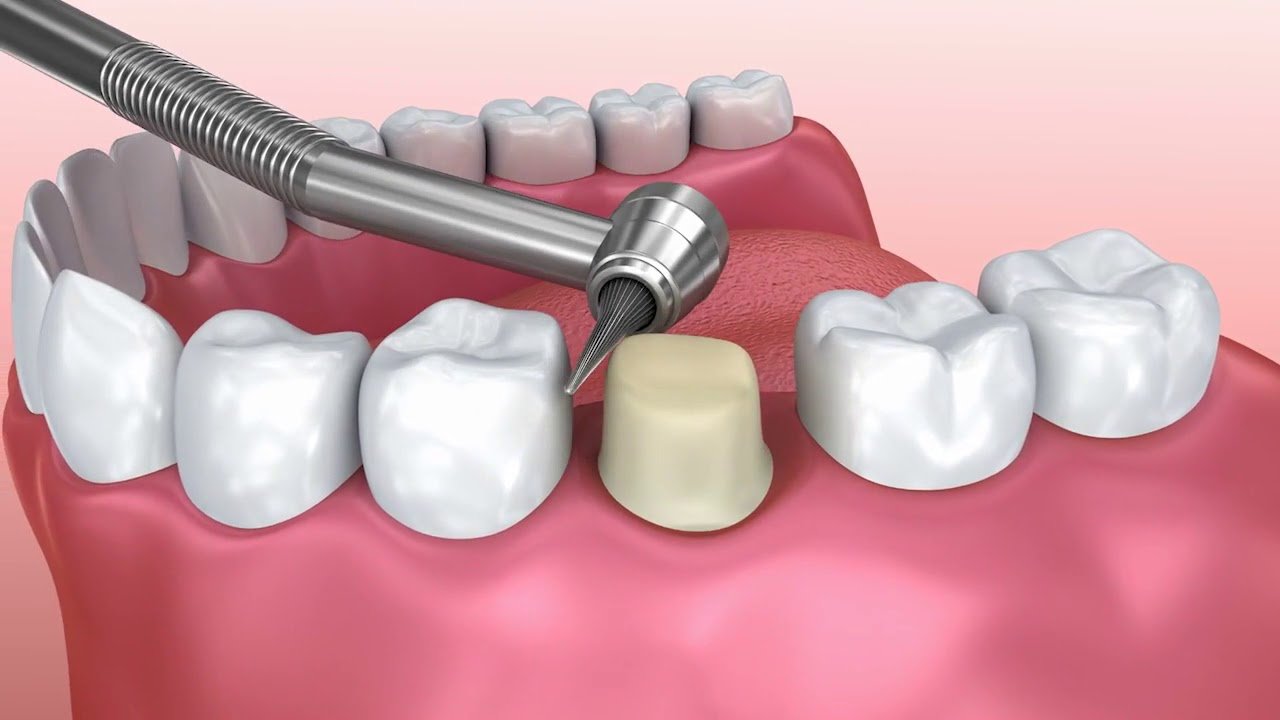
If a crown is appropriate, the tooth is carefully prepared to create sufficient space for the restoration. An impression or digital scan is then taken so the crown can be produced according to the individual’s dental anatomy.
Depending on the dental practice and laboratory workflow, patients may receive a temporary restoration while the permanent crown is being fabricated. The temporary crown protects the prepared tooth during this stage.
At the final appointment, the dentist checks the permanent crown’s fit, shape, color, and bite. Adjustments can be made when necessary before the restoration is permanently placed.
Why Digital Dentistry Can Make a Difference
Digital dentistry has changed the way many dental restorations are planned and produced. Digital scanning can create detailed representations of the teeth without relying exclusively on traditional impression materials.
These digital records can help dental professionals evaluate the shape and positioning of teeth and communicate precise information to the laboratory. Computer-assisted design and manufacturing may also contribute to more consistent crown fabrication.
The benefit is not simply technological convenience. Accurate planning is important because a crown needs to work comfortably within the patient’s bite while also fitting appropriately around the prepared tooth and gumline.
What Should You Expect After Getting a Crown?
It is normal for a newly placed crown to feel slightly unfamiliar at first. The tongue can notice even small changes in tooth shape, and the bite may initially feel different. This sensation commonly becomes less noticeable as the patient adjusts.
Some temporary sensitivity may occur following treatment, particularly if the tooth has undergone significant preparation. However, persistent pain, a noticeably uneven bite, swelling, or other unusual symptoms should be discussed with a dentist.
A crown does not make the underlying tooth immune to dental problems. The tooth and surrounding gum tissue still require proper care.
How to Care for a Dental Crown
Good oral hygiene remains essential after crown placement. Brushing twice daily with fluoride toothpaste and cleaning between the teeth can help reduce plaque accumulation around the restoration.
Flossing should be performed carefully but consistently. Patients should also follow their dentist’s recommendations regarding professional dental cleanings and routine examinations.
Although crowns are designed to withstand normal chewing, habits such as biting extremely hard objects, opening packages with the teeth, or repeatedly chewing on inappropriate materials can place unnecessary stress on dental restorations.
For individuals who grind or clench their teeth, a dentist may recommend additional protection, such as a custom night guard, depending on the severity of the habit.
How Long Can a Dental Crown Last?
The lifespan of a crown varies from person to person. Oral hygiene, bite forces, material selection, tooth location, dietary habits, and regular dental care can all influence its longevity.
A crown can remain functional for many years when properly maintained, but it is not considered a lifetime restoration in every case. Wear, damage, changes in the supporting tooth, or gum problems may eventually require replacement or additional treatment.
Regular dental examinations make it easier to identify potential issues before they become more complicated.
Are Dental Crowns Right for Everyone?
Crowns are not automatically the best solution for every dental concern. A small cavity may require only a filling, while a severely compromised tooth may need more extensive treatment. In some situations, other restorative or cosmetic options may provide a more appropriate solution.
This is why an individualized examination is important. A dentist needs to consider the condition of the tooth, periodontal health, bite, available tooth structure, and the patient’s expectations before recommending treatment.
Patients should also discuss existing medical conditions, medications, allergies, previous dental procedures, and any concerns about sensitivity or discomfort during the consultation.
Choosing a Dental Crown Treatment in Dubai
Selecting a dental clinic involves more than comparing prices. Patients should consider the dentist’s experience, diagnostic approach, available technology, crown materials, sterilization standards, laboratory support, and aftercare services.
A detailed consultation provides an opportunity to understand why a crown is being recommended and what type of restoration may be appropriate. It also allows patients to ask about the expected treatment stages, maintenance requirements, and potential alternatives.
When restorative dentistry is approached as a personalized treatment rather than a one-size-fits-all procedure, the final restoration can be planned around both oral function and appearance.
A Stronger, More Confident Smile Starts With the Right Plan
A damaged tooth does not necessarily mean that its natural function and appearance have to be permanently compromised. Modern restorative dentistry offers several ways to rebuild and protect teeth while maintaining a natural-looking smile. Dental Crowns in Dubai can be part of that approach when a tooth requires additional structural support or significant restoration.
Before deciding on treatment, a professional dental examination is essential to determine whether a crown is suitable and which material and design best match the patient’s needs. For personalized restorative dental care and professional guidance, patients can consult Euromed Clinic Dubai to discuss their dental concerns and available treatment options.