Rapid urbanization, expanding infrastructure investments, and increasing demand for efficient water management systems are reshaping the construction materials landscape across Saudi Arabia. As residential, commercial, and industrial developments continue to accelerate under Vision 2030, durable piping solutions have become an essential component of modern infrastructure, supporting projects ranging from housing communities to large-scale industrial facilities.
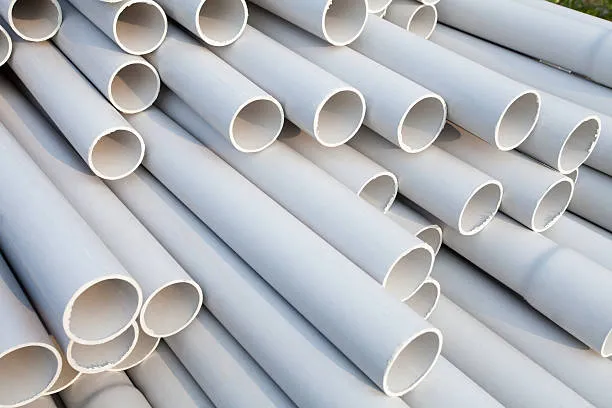
The Saudi Arabia PVC Pipes Market reflects this growing momentum as investments in water distribution, wastewater management, irrigation, and real estate projects continue to rise. According to the latest industry analysis, the market is valued at around USD 1.30 billion in 2025 and is projected to reach USD 1.67 billion by 2032, expanding at a CAGR of approximately 3.62% during 2026–2032. Growing adoption of plastic piping solutions for water infrastructure is supporting long-term market development.
Infrastructure Expansion Continues to Strengthen Demand
Saudi Arabia’s ongoing infrastructure transformation remains one of the primary growth catalysts for the industry. Large-scale residential communities, smart city developments, industrial zones, transportation corridors, and public utility projects require reliable piping systems capable of supporting long operational lifespans with minimal maintenance. PVC pipes have emerged as a preferred solution because of their corrosion resistance, lightweight design, and ease of installation.
Government-backed investments under Vision 2030 are encouraging continuous development of water supply networks and sanitation systems across urban and rural regions. These projects create sustained demand for piping materials that can withstand harsh environmental conditions while maintaining operational efficiency over extended periods. According to the Saudi Vision 2030, infrastructure modernization and sustainable urban development remain national priorities supporting long-term construction activity.
Water Management Projects Fuel Market Opportunities
Water conservation has become increasingly important in Saudi Arabia due to limited freshwater resources and growing population requirements. Efficient distribution networks, desalination facilities, wastewater treatment plants, and irrigation systems all depend on durable piping infrastructure capable of reducing water losses and improving operational reliability.
PVC pipes offer several performance advantages for these applications, including smooth internal surfaces that reduce friction losses, chemical resistance, and long service life. As water utilities continue replacing aging infrastructure while expanding service coverage, demand for modern piping materials is expected to remain stable. The World Bank highlights that efficient water infrastructure plays a significant role in supporting sustainable urban development and resource management.
Construction Sector Creates Consistent Growth Potential
The country’s expanding construction industry continues generating opportunities across multiple application segments. Residential housing projects, commercial buildings, healthcare facilities, educational institutions, and industrial complexes all require extensive plumbing and drainage systems. As developers increasingly prioritize long-term durability and lower maintenance costs, PVC-based solutions continue gaining preference across new construction projects.
Additionally, renovation and replacement activities contribute to market demand as older infrastructure is upgraded with modern materials offering improved performance and compliance with evolving building standards. This balanced demand from both new developments and infrastructure upgrades helps create a stable market environment.
Industrial Applications Expand Product Adoption
Beyond construction, industrial sectors such as manufacturing, chemical processing, agriculture, and utilities continue adopting PVC piping systems for fluid transportation and process applications. Their resistance to corrosion and chemicals makes them suitable for environments where traditional metallic pipes may experience faster degradation.
Industrial diversification initiatives under national economic development strategies are encouraging investments in manufacturing facilities and processing plants. These developments increase demand for dependable piping systems capable of supporting various industrial operations while minimizing lifecycle costs.
Innovation Supports Long-Term Market Development
Manufacturers continue introducing advanced production technologies that improve pipe strength, dimensional accuracy, and installation efficiency. Product innovations designed for higher pressure ratings, improved joint integrity, and enhanced durability enable PVC piping systems to address increasingly demanding applications across infrastructure and industrial projects.
Sustainability also remains an important consideration throughout product development. Modern manufacturing processes focus on reducing material waste, improving energy efficiency, and supporting recycling initiatives while maintaining product quality and compliance with international standards.
Future Outlook
The Saudi Arabian market is expected to maintain steady growth as infrastructure modernization, water resource management initiatives, and industrial expansion continue creating long-term demand for reliable piping solutions. Government investments in utilities, urban development, and public infrastructure are likely to support consistent market activity throughout the forecast period.
As project developers increasingly emphasize operational efficiency, durability, and lifecycle performance, PVC pipes are expected to remain an important component of the country’s evolving infrastructure ecosystem. Their combination of cost-effectiveness, ease of installation, and long service life positions them well to meet the requirements of future construction and utility projects while supporting Saudi Arabia’s broader economic transformation objectives.