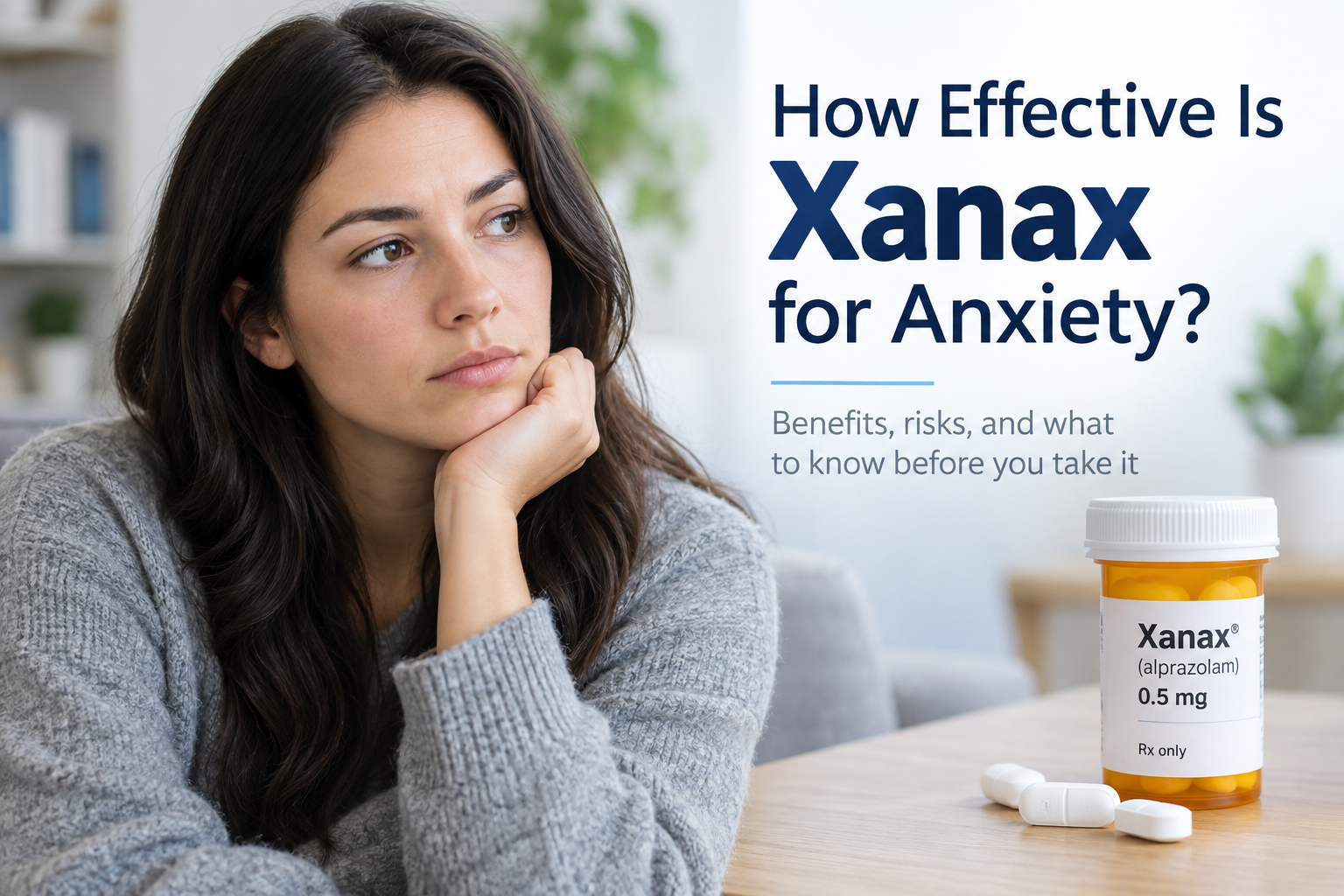
Anxiety disorders affect millions of people worldwide, interfering with daily activities, work, and personal relationships. While lifestyle changes, therapy, and mindfulness can help manage anxiety, sometimes medication becomes necessary. One of the most commonly prescribed medications for anxiety is Xanax (generic name: alprazolam). This article explores how effective Xanax is for anxiety, its uses, potential long-term side effects, and considerations for safe use.
Understanding Anxiety Disorders
Before diving into Xanax, it’s important to understand what anxiety is. Anxiety is a natural response to stress and can manifest as excessive worry, fear, or nervousness. However, when anxiety becomes persistent, intense, and difficult to control, it may develop into an anxiety disorder. Common types include:
-
Generalized Anxiety Disorder (GAD): Constant, excessive worry about everyday situations.
-
Panic Disorder: Sudden, intense episodes of fear accompanied by physical symptoms like rapid heartbeat, shortness of breath, or dizziness.
-
Social Anxiety Disorder: Fear of social situations and being judged by others.
-
Specific Phobias: Intense fear triggered by specific objects or situations.
Treating anxiety often requires a combination of therapy, lifestyle changes, and, in some cases, medication like Xanax.
What Is Xanax?
Xanax is a prescription medication that belongs to the class of drugs known as benzodiazepines. It works by enhancing the effect of a neurotransmitter called gamma-aminobutyric acid (GABA) in the brain, which produces a calming effect on the nervous system. This action helps reduce the intensity of anxiety symptoms and allows individuals to feel more relaxed.
Xanax is typically prescribed for:
-
Generalized Anxiety Disorder (GAD)
-
Panic Disorder
-
Short-term relief of anxiety symptoms
How Effective Is Xanax for Anxiety?
Xanax is widely recognised for its rapid effectiveness in reducing anxiety. Patients often report feeling calmer within 30 minutes to an hour of taking the medication. Its quick action makes it particularly useful for managing acute anxiety attacks or panic episodes.
Clinical studies have shown that Xanax can significantly reduce the frequency and severity of anxiety and panic symptoms. In fact, it is often preferred for short-term management because it provides fast relief when other medications like SSRIs (Selective Serotonin Reuptake Inhibitors) may take weeks to become effective.
Benefits of Xanax for Anxiety
-
Rapid Relief: One of the main advantages of Xanax is its ability to act quickly, making it ideal for acute anxiety or panic attacks.
-
High Efficacy: Xanax has been shown to significantly reduce anxiety symptoms in many patients, often within hours of the first dose.
-
Versatility: It can be used for a variety of anxiety disorders, including panic disorder and generalised anxiety.
-
Short-Term Use: Effective for temporary relief of anxiety symptoms while other long-term treatments are being established.
Limitations and Considerations
While Xanax is highly effective, it is not without limitations and potential risks:
-
Short-Term Use Recommended: Xanax is typically recommended for short-term use due to the risk of dependence and tolerance. Long-term use can lead to decreased effectiveness and withdrawal symptoms if discontinued abruptly.
-
Side Effects: Common side effects include drowsiness, dizziness, fatigue, memory problems, and impaired coordination. In rare cases, serious side effects like severe allergic reactions, confusion, or depression may occur.
-
Dependence and Withdrawal: Prolonged use can lead to physical and psychological dependence. Withdrawal symptoms may include anxiety, irritability, insomnia, tremors, and, in severe cases, seizures.
-
Interaction with Other Substances: Xanax should not be combined with alcohol, opioids, or other central nervous system depressants, as this can increase the risk of severe sedation, respiratory depression, or overdose.
Dosage and Administration
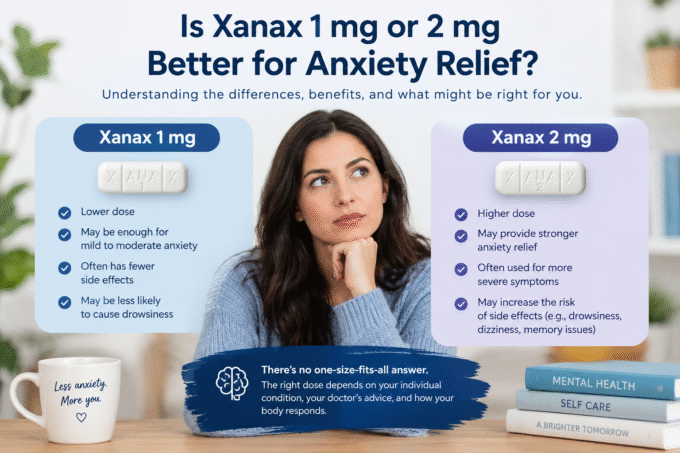
Xanax is available in various strengths, usually ranging from 0.25 mg to 2 mg per tablet. The exact dosage depends on the severity of anxiety, the patient’s medical history, and other medications being taken.
-
Typical starting dose: 0.25 mg to 0.5 mg, taken up to three times daily.
-
Maximum recommended dose: Typically 4 mg per day, divided into multiple doses.
It’s crucial to follow the prescribing doctor’s instructions carefully and not adjust the dosage without medical guidance.
Alternatives to Xanax
While Xanax can be highly effective, it may not be suitable for everyone. Alternative treatments for anxiety include:
-
Other Benzodiazepines: Medications like lorazepam or diazepam work similarly to Xanax but may have different durations of action or side effect profiles.
-
SSRIs and SNRIs: These medications, including sertraline, escitalopram, and venlafaxine, are often prescribed for long-term management of anxiety disorders. They take longer to work but carry a lower risk of dependence.
-
Therapy: Cognitive Behavioral Therapy (CBT) and other forms of psychotherapy are highly effective in treating anxiety and can provide long-lasting results.
-
Lifestyle Changes: Regular exercise, a balanced diet, adequate sleep, mindfulness, and stress management techniques can help reduce anxiety naturally.
Safety Tips for Using Xanax
-
Use only as prescribed: do not exceed the recommended dose or frequency.
-
Avoid alcohol and recreational drugs: these substances can amplify side effects and increase the risk of dangerous interactions.
-
Monitor for dependence: If you have been taking Xanax for an extended period, consult your doctor before discontinuing to avoid withdrawal symptoms.
-
Report side effects: Seek medical attention if you experience severe drowsiness, confusion, or unusual behavior.
-
Pregnancy and breastfeeding: Xanax is not recommended during pregnancy or breastfeeding unless prescribed by a healthcare provider.
Conclusion
Xanax is a highly effective medication for managing anxiety, especially for short-term relief of acute symptoms and panic attacks. Its rapid action and proven efficacy make it a popular choice among healthcare providers. However, due to its potential for dependence, side effects, and withdrawal, Xanax is generally recommended for short-term use or as part of a broader treatment plan that includes therapy and lifestyle changes.
If you are considering Xanax for anxiety, it is essential to consult a qualified healthcare provider who can evaluate your symptoms, recommend appropriate dosage, and monitor your response to treatment. By combining medication with therapy, stress management, and healthy lifestyle habits, individuals with anxiety can achieve meaningful and sustainable relief.
If you want to buy Xanax online in the United Kingdom, go to our online pharmacy, SleepTabletUK, and place your order.
FAQs About Xanax and Anxiety
Q1: How quickly does Xanax work for anxiety?
A: Xanax usually starts working within 30 to 60 minutes, making it effective for acute anxiety attacks.
Q2: Can Xanax be used long-term?
A: Long-term use is generally not recommended due to the risk of dependence. Doctors may prescribe it for short periods while other treatments take effect.
Q3: Are there natural alternatives to Xanax?
A: Yes, therapy, exercise, mindfulness, and stress management techniques can help manage anxiety without medication.
Q4: What are common side effects of Xanax?
A: Drowsiness, dizziness, fatigue, impaired coordination, and memory issues are common side effects. Severe reactions are rare.
Q5: Can Xanax be combined with other medications?
A: Xanax can interact with other medications, especially alcohol, opioids, and certain antidepressants. Always consult your doctor before combining drugs.