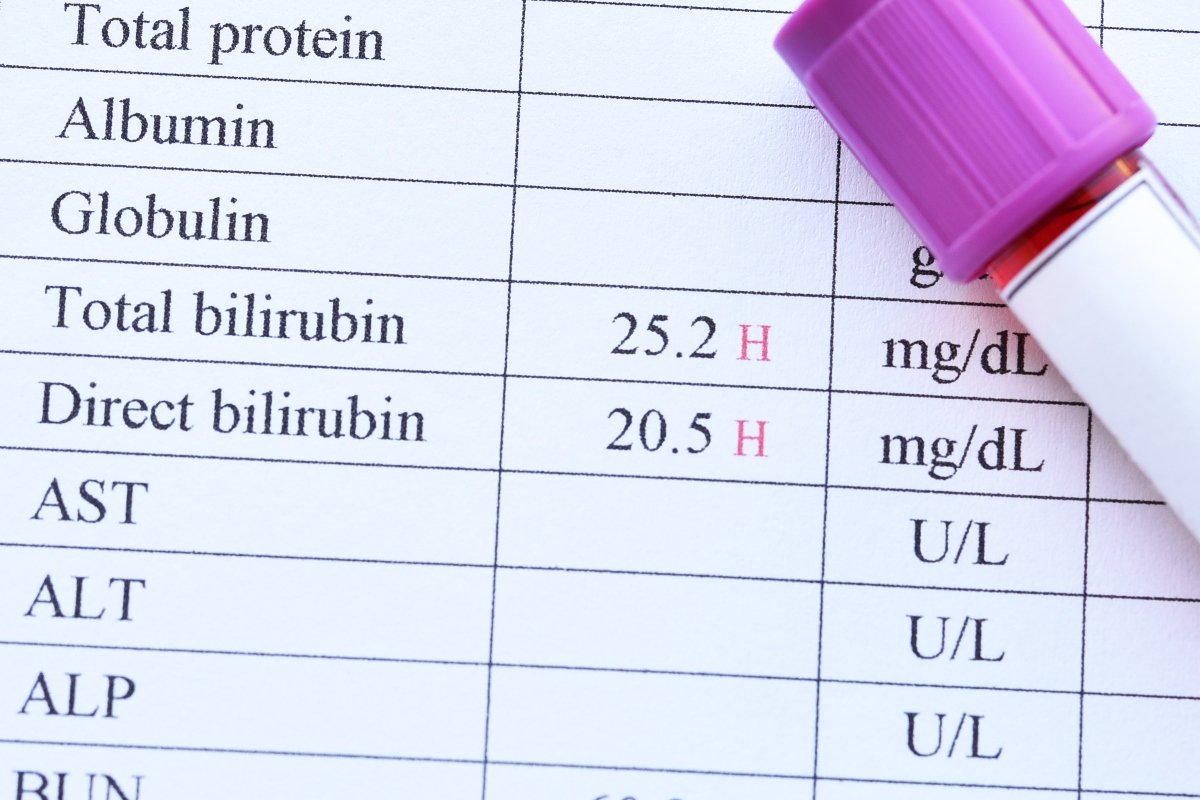
A Bilirubin Total Test is a blood test that measures the amount of bilirubin in your bloodstream. Bilirubin is a yellow substance produced when the body breaks down old red blood cells. The liver processes bilirubin and helps remove it from the body through bile.
Doctors commonly use a total Bilirubin Total Test in Dubai as part of a liver function evaluation, especially when someone has symptoms such as yellowing of the skin or eyes, dark urine, abdominal discomfort, or unexplained changes in liver-related blood tests.
Understanding what this test measures and what the results may mean can make your laboratory report easier to understand.
What Is a Bilirubin Total Test?
The Bilirubin Total Test measures the total amount of bilirubin in the blood. Total bilirubin generally includes two forms:
-
Unconjugated bilirubin, also called indirect bilirubin
-
Conjugated bilirubin, also called direct bilirubin
Bilirubin is formed mainly when hemoglobin from aging red blood cells is broken down. Initially, bilirubin is not water-soluble. It travels to the liver, where it is processed into a form that can be excreted through bile.
A bilirubin blood test can therefore provide useful information about processes involving red blood cell breakdown, liver function, and bile flow.
Why Is a Bilirubin Total Test Done?
A doctor may order this test for several reasons. It can be used to investigate symptoms, monitor an existing condition, or evaluate other abnormal blood test findings.
Common reasons include:
1. Investigating Jaundice
Jaundice causes the skin or whites of the eyes to appear yellow. It can occur when bilirubin accumulates in the bloodstream.
A total bilirubin test helps determine whether bilirubin is elevated and may be followed by additional testing to identify the underlying cause.
2. Evaluating Liver Function
Bilirubin is processed by the liver, so abnormal levels can occur with certain liver conditions. Doctors may order bilirubin alongside other tests such as ALT, AST, alkaline phosphatase, and albumin to obtain a broader picture of liver health.
3. Investigating Dark Urine or Pale Stools
Changes in urine or stool color can sometimes be associated with problems involving bilirubin metabolism or bile flow. Bilirubin testing may help determine whether further evaluation is appropriate.
4. Monitoring a Known Condition
People with certain liver, gallbladder, bile duct, or blood-related conditions may have bilirubin measured periodically to monitor changes.
5. Checking Newborn Bilirubin Levels
Bilirubin testing is also important in newborns because elevated bilirubin can cause neonatal jaundice. Newborn testing may use blood or other validated methods depending on the clinical situation.
What Does Bilirubin Do in the Body?
To understand the test, it helps to understand the bilirubin pathway.
Old red blood cells are continuously removed from circulation. Hemoglobin is broken down, producing bilirubin. The initial form is unconjugated bilirubin.
This bilirubin travels to the liver, where it is converted into conjugated bilirubin. The conjugated form can then be excreted into bile and eventually leave the body through the digestive tract.
If bilirubin production increases, liver processing is impaired, or bile cannot flow normally, bilirubin may accumulate in the blood.
This is why an elevated bilirubin result can have several possible explanations rather than pointing to one specific disease.
What Is the Difference Between Total, Direct, and Indirect Bilirubin?
A total bilirubin test gives the overall bilirubin concentration.
Doctors may also request:
Direct bilirubin: Measures primarily conjugated bilirubin.
Indirect bilirubin: Usually calculated from total and direct bilirubin and reflects mainly unconjugated bilirubin.
Looking at the pattern can provide more information than looking at total bilirubin alone.
For example, an increase in indirect bilirubin may occur when bilirubin production is increased or when bilirubin processing is affected. A rise in direct bilirubin may be associated with impaired excretion or bile flow.
However, these patterns must be interpreted together with symptoms, medical history, physical examination, and other laboratory results.
What Is a Normal Bilirubin Level?
There is no single universal bilirubin reference range that applies to every laboratory.
For many adults, total bilirubin is commonly reported within a relatively low range, often around 0.2 to 1.2 mg/dL, but the laboratory’s own reference interval should be used when interpreting a report.
Reference ranges can vary because of differences in laboratory methods, equipment, and patient populations.
A result slightly outside the laboratory’s range does not automatically mean that a person has a serious medical condition.
The actual number, laboratory reference range, symptoms, and other test results all matter.
What Does a High Bilirubin Result Mean?
An elevated Bilirubin Total Test level is called hyperbilirubinemia.
High bilirubin can occur for different reasons, including:
-
Increased breakdown of red blood cells
-
Certain inherited bilirubin-processing conditions
-
Liver inflammation or injury
-
Some liver diseases
-
Problems affecting bile flow
-
Gallbladder or bile duct disorders
-
Certain medications
-
Some infections or other medical conditions
The significance depends partly on whether the bilirubin elevation is mainly direct or indirect.
For example, Gilbert syndrome is a common inherited condition that can cause mild, intermittent increases in unconjugated bilirubin without causing significant liver damage.
By contrast, a substantial bilirubin increase accompanied by jaundice, abdominal pain, fever, or other abnormal liver tests may require more urgent investigation.
What Does a Low Bilirubin Result Mean?
Low bilirubin levels are generally not considered a major health concern.
Unlike significantly elevated bilirubin, a low total bilirubin result usually does not point toward a specific disease by itself.
If the rest of the laboratory evaluation is normal and you have no concerning symptoms, a low bilirubin value is often not clinically significant.
Can Bilirubin Levels Change?
Yes. Bilirubin levels can change over time.
Temporary changes may occur because of factors such as illness, fasting, dehydration, certain medications, or changes in red blood cell breakdown.
Some people also have naturally fluctuating bilirubin levels because of inherited conditions such as Gilbert syndrome.
For this reason, doctors do not usually interpret a bilirubin result in isolation. Trends over time can sometimes be more informative than a single measurement.
What Symptoms May Lead to Bilirubin Testing?
A bilirubin test may be considered when symptoms suggest a possible problem with bilirubin metabolism, the liver, or bile flow.
Potential symptoms include:
-
Yellow skin or eyes
-
Dark-colored urine
-
Pale or clay-colored stools
-
Abdominal discomfort
-
Nausea or vomiting
-
Unusual tiredness
-
Itching
-
Loss of appetite
-
Fever in certain situations
These symptoms can have many causes. A bilirubin test helps provide one piece of the diagnostic picture.
How Is the Bilirubin Total Test Performed?
The test usually requires a small blood sample from a vein.
A healthcare professional cleans the skin, inserts a needle into a vein, collects the required blood into a tube, and sends the sample to a laboratory for analysis.
The procedure generally takes only a few minutes.
Some people experience brief discomfort or a small bruise at the collection site. Serious complications are uncommon.
Do You Need to Fast Before a Bilirubin Test?
Fasting is not always required for a bilirubin test alone.
However, your healthcare provider may request fasting if bilirubin is being measured as part of a broader group of blood tests with different preparation requirements.
Always follow the preparation instructions provided by your healthcare professional or laboratory rather than assuming that fasting is necessary.
How Are Bilirubin Results Interpreted?
A bilirubin result should be considered alongside other information.
Doctors may compare total bilirubin with:
-
Direct bilirubin
-
Indirect bilirubin
-
ALT
-
AST
-
Alkaline phosphatase
-
Albumin
-
Complete blood count
-
Other tests when clinically appropriate
The pattern can help determine whether further evaluation should focus on the liver, bile ducts, gallbladder, or red blood cell breakdown.
If bilirubin is elevated, additional testing may sometimes include imaging studies, hepatitis testing, blood tests, or other investigations depending on the suspected cause.
When Should You Discuss a High Bilirubin Result With a Doctor?
A high bilirubin result deserves appropriate medical interpretation, particularly when it is accompanied by symptoms.
Seek prompt medical attention for significant jaundice accompanied by symptoms such as severe abdominal pain, fever, confusion, persistent vomiting, or marked weakness.
Newborn jaundice also requires appropriate medical assessment because bilirubin levels in infants are interpreted differently from adult levels, including consideration of the baby’s age in hours and other clinical factors.
Frequently Asked Questions About the Bilirubin Total Test
Is a bilirubin test the same as a liver function test?
Not exactly. Bilirubin is commonly included in liver evaluations, but it is only one part of a broader assessment. Other liver-related blood tests measure different aspects of liver and bile duct function.
Does a high bilirubin level always mean liver disease?
No. Elevated bilirubin can result from increased red blood cell breakdown, inherited conditions, liver problems, or impaired bile flow. The underlying cause must be determined from the overall clinical picture.
Can dehydration increase bilirubin?
Dehydration and reduced food intake may contribute to temporary bilirubin changes in some people, particularly those with conditions such as Gilbert syndrome. Persistent or significant elevation should still be medically evaluated.
Can medications affect bilirubin levels?
Yes. Some medications can influence bilirubin metabolism, liver function, or bile flow. Tell your healthcare provider about prescription medicines, over-the-counter products, and supplements you take.
Is bilirubin related to jaundice?
Yes. Jaundice occurs when bilirubin accumulates in the body and causes yellow discoloration of the skin or eyes. However, jaundice has several possible causes.
Key Takeaway:
The Bilirubin Total Lab tests is a useful blood test for measuring the overall bilirubin level in the bloodstream. It can help doctors investigate jaundice, assess liver and bile-related conditions, monitor certain medical problems, and evaluate bilirubin levels in newborns.
A high or low result should not be interpreted on its own. The most meaningful interpretation considers the laboratory’s reference range, direct and indirect bilirubin levels, other liver function tests, symptoms, medical history, and clinical findings.
Most importantly, an abnormal bilirubin result is a finding, not a diagnosis. If your result is outside the expected range, discuss it with a qualified healthcare professional to understand what it means in your specific situation.