When people think about getting essential vitamins, minerals, or other nutrients, supplements are usually the first option that comes to mind. Tablets, capsules, powders, gummies, and liquid supplements are widely available and can be convenient additions to a balanced lifestyle. IV Drips, however, work in a very different way.
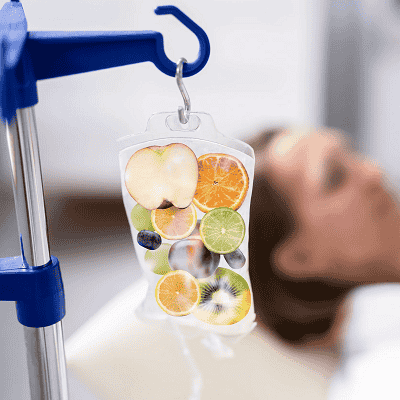
IV drips deliver fluids and selected nutrients directly into a vein through an intravenous line. Because the substances enter the bloodstream directly, they bypass the digestive system. This difference has made IV therapy an increasingly discussed option for people interested in hydration, nutrient delivery, recovery, and certain supportive wellness services.
Still, IV drips should not automatically be considered better than regular supplements. Each approach has different purposes, benefits, limitations, and safety considerations. Understanding how they work can help people make more informed decisions about whether an IV-based treatment is appropriate for their individual needs.
How IV Drips and Regular Supplements Work Differently
The biggest difference between IV drips and oral supplements is the route of administration.
Regular supplements are taken by mouth. After swallowing a capsule, tablet, powder, or liquid supplement, the digestive system breaks it down. Nutrients are then absorbed through the gastrointestinal tract before entering circulation. The amount ultimately absorbed can vary depending on the nutrient, formulation, digestive health, food intake, and other individual factors.
IV drips take a different route. A healthcare professional places a small catheter into a vein, allowing the selected fluid or nutrients to enter the bloodstream directly. This means the digestive system does not need to process the substances first.
This distinction can be particularly relevant when rapid fluid replacement or direct delivery is medically appropriate. However, direct delivery does not automatically mean that every person will experience greater benefits. The usefulness of an IV treatment depends on the individual’s health status, nutritional needs, hydration status, and the specific formulation being administered.
In other words, IV drips and supplements are different delivery methods rather than interchangeable products.
Why the Body May Respond Differently to IV Nutrients
The digestive system acts as an important barrier between what a person consumes and what eventually reaches the bloodstream. Some nutrients are absorbed efficiently, while others have more variable absorption.
Oral supplements can also be affected by digestive conditions, interactions with other substances, and individual differences in metabolism. Some nutrients require specific conditions for effective absorption.
With IV therapy, the digestive absorption stage is bypassed. Nutrients and fluids enter circulation directly, allowing healthcare professionals to administer specific substances in controlled amounts.
This is one reason IV therapy can have an important role in certain medical situations. For example, intravenous fluids may be used when a person needs hydration and cannot adequately take fluids by mouth. IV administration may also be appropriate for delivering certain medications or nutrients when oral administration is unsuitable.
For general wellness, however, the situation is more nuanced. A person who already has adequate nutrition and hydration may not necessarily gain additional advantages from receiving nutrients intravenously. The body does not simply benefit from receiving more of a vitamin because it is delivered through an IV.
That is why an appropriate assessment is important before choosing an IV treatment.
What Are IV Drips Commonly Used For?
IV drips can contain different combinations of fluids, electrolytes, vitamins, minerals, or medications depending on the clinical purpose. The exact ingredients should be determined according to the person’s needs and the treatment being provided.
One common use of intravenous therapy is hydration. Fluids administered through an IV can be useful when someone is unable to adequately replace fluids through drinking. In medical settings, IV fluids may be used for conditions involving significant fluid loss or when oral intake is difficult.
Some IV services are also marketed for wellness purposes, including hydration support, fatigue, recovery, or general nutritional support. The evidence for these uses can vary depending on the specific ingredients and the individual’s circumstances.
For this reason, people should be cautious about broad claims suggesting that IV drips can solve multiple health concerns at once. A treatment should have a clear rationale rather than being selected simply because it is promoted as a faster or more powerful version of a supplement.
The quality, dosage, ingredients, and method of administration all matter.
IV Drips vs. Supplements: Which One Is Better?
There is no universal answer to whether IV drips or supplements are better. The appropriate choice depends on the person’s circumstances.
For someone with a healthy digestive system who needs to address a nutritional deficiency, an oral supplement may be practical and effective when recommended by a qualified healthcare professional. Supplements are generally easier to use, do not require an IV procedure, and can often be taken at home.
IV drips may have a role when rapid fluid administration is necessary, oral intake is not suitable, or a healthcare professional determines that intravenous delivery is clinically appropriate.
The difference can be summarized simply:
- Oral supplements: Nutrients are consumed and absorbed through the digestive system.
- IV drips: Fluids or selected substances are delivered directly into the bloodstream.
- Oral supplements: Usually more convenient for routine supplementation.
- IV drips: Require administration through an intravenous line.
- Oral supplements: Generally avoid procedure-related risks associated with IV access.
- IV drips: May provide a more direct route of delivery when intravenous treatment is medically indicated.
The most suitable option should therefore be based on need rather than the assumption that one delivery method is automatically superior.
Are IV Drips Safe?
When administered appropriately by qualified healthcare professionals using suitable products and proper sterile techniques, IV therapy can be safely used in appropriate circumstances. However, because an IV drip involves accessing a vein, it is not completely risk-free.
Possible complications can include discomfort at the insertion site, bruising, irritation of the vein, infection, or fluid-related complications. There can also be risks associated with the particular vitamin, mineral, medication, or other substance being administered.
Another important consideration is dosage. Certain vitamins and minerals can cause problems when consumed or administered in excessive amounts. More is not necessarily better, even when a nutrient is commonly associated with wellness.
People with certain medical conditions, allergies, kidney problems, heart conditions, or other health concerns may require particular caution. Pregnancy, medications, and previous reactions to IV treatment may also affect whether a particular infusion is appropriate.
For these reasons, IV drips should be viewed as a healthcare procedure rather than simply another type of supplement.
What Should Someone Consider Before Choosing an IV Drip?
Before receiving an IV drip, it is sensible to consider why the treatment is being requested in the first place.
A person experiencing persistent fatigue, weakness, dizziness, dehydration, or other unexplained symptoms may need an appropriate medical evaluation rather than relying on an IV wellness treatment. Symptoms can have many possible causes, and treating the symptom without identifying the underlying issue may delay appropriate care.
People considering IV therapy should also ask what the infusion contains, why each ingredient is being used, how the treatment is administered, and whether there are potential side effects or interactions.
It is also useful to understand that IV therapy is not a replacement for a balanced diet, adequate sleep, regular physical activity, or treatment of an underlying medical condition.
A well-rounded approach to health usually begins with fundamental lifestyle habits and evidence-based medical care. IV drips may have a place in that broader picture when there is a clear reason to use them.
The Bottom Line: Understanding the Difference Matters
The main difference between IV drips and regular supplements is how substances reach the body. Oral supplements travel through the digestive system, while IV drips introduce fluids or selected nutrients directly into the bloodstream.
That difference can make IV therapy useful in specific medical circumstances, particularly when intravenous fluids or medications are clinically necessary. At the same time, direct delivery should not be confused with automatically better results.
For everyday nutritional needs, oral supplements may be sufficient when supplementation is actually needed. For certain medical or hydration-related situations, intravenous therapy may be more appropriate.
The best approach is individualized. Instead of choosing an IV drip simply because it sounds faster or more effective, people should consider their health needs, nutritional status, treatment goals, and potential risks. Professional guidance can help determine whether an IV treatment is appropriate and whether a simpler option could provide the same benefit.
Ultimately, understanding the difference between IV drips and regular supplements allows people to make health decisions based on evidence and individual needs rather than marketing claims.
Frequently Asked Questions
1. Are IV drips better than oral supplements?
Not necessarily. IV drips and oral supplements use different delivery methods. IV therapy may be appropriate when intravenous treatment is medically indicated, while oral supplements may be suitable for routine nutritional supplementation. The better option depends on the individual’s needs.
2. How quickly do IV drips work compared with supplements?
Because IV administration delivers substances directly into the bloodstream, it bypasses gastrointestinal absorption. However, the speed at which someone notices an effect depends on what is being administered and the reason for treatment. Direct delivery does not guarantee an immediate or noticeable wellness benefit.
3. Can IV drips replace a healthy diet?
No. IV therapy should not be considered a replacement for a balanced diet. Food provides a broad combination of nutrients, fiber, protein, carbohydrates, fats, and other components that support overall health.
4. Are there risks associated with IV drips?
Yes. Although IV therapy can be appropriate and safe in suitable circumstances, potential risks include bruising, irritation, infection, vein-related complications, and reactions to the substances being administered. The risks depend partly on the individual and the specific treatment.
5. Who should avoid or carefully consider IV therapy?
Anyone with significant medical conditions, allergies, kidney or heart concerns, pregnancy, medication interactions, or a history of reactions to IV treatment should discuss the treatment with an appropriate healthcare professional before receiving it.
6. Does everyone need IV vitamin therapy?
No. Most people do not automatically need vitamins delivered intravenously. Nutritional requirements vary from person to person, and supplementation should generally be based on an identified need rather than the assumption that higher or faster delivery is always beneficial.
Read More About IV Drips:https://linkmate.mn.co/posts/how-to-prepare-for-your-first-iv-drips-appointment