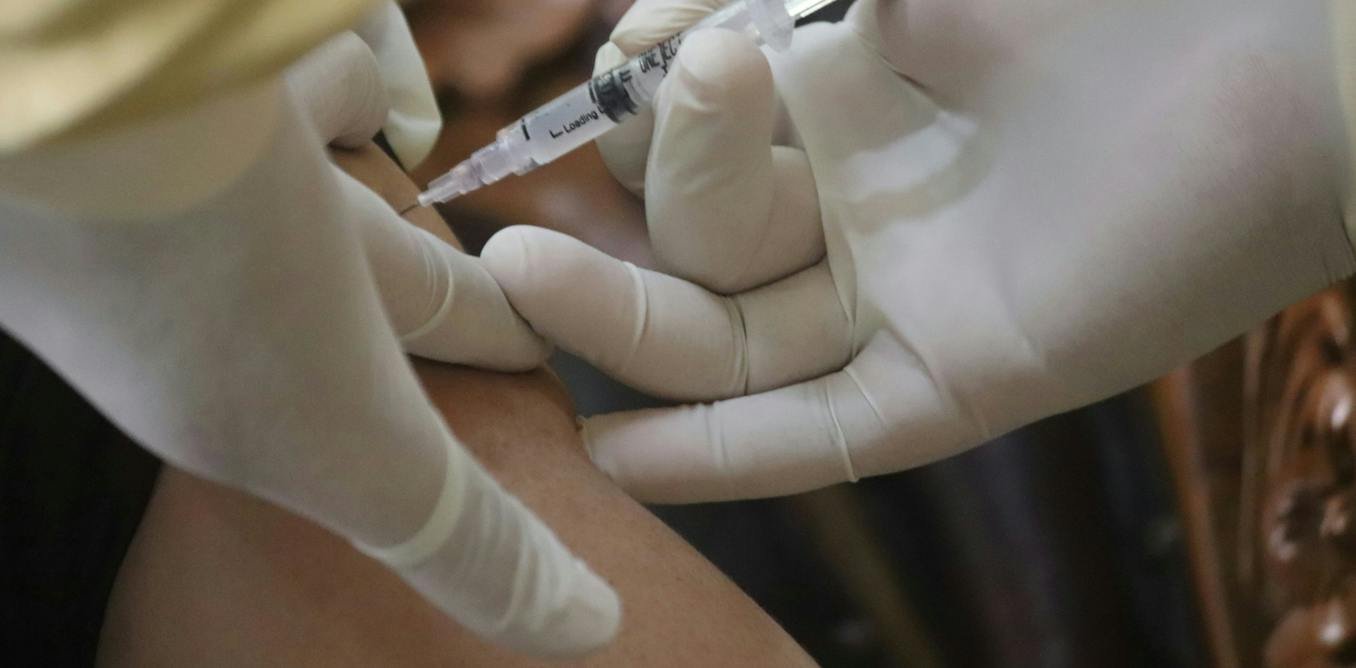
Vaccination is an important part of preventive healthcare, and receiving immunizations at home can make the process more convenient for many eligible patients. Vaccination at Home in Dubai allows individuals and families to access professional vaccination services without the need to travel to a clinic. A Doctor at Home may assess the patient’s health information when required, while a qualified nurse can manage the vaccination process in a suitable home environment. Preparing the space and having the necessary information ready can help make the session organized, comfortable, and focused on patient safety.
Choose a Suitable Vaccination Area:
The first step in preparing your home is selecting an appropriate area for the vaccination session. Choose a clean, quiet, well-lit space with enough room for the healthcare professional to work comfortably. The patient should have a stable chair or another suitable position where they can remain relaxed during the assessment and injection. Avoid crowded areas or locations where family members, pets, or unnecessary household activities could interrupt the procedure. A suitable environment allows the professional to maintain focus and follow appropriate vaccination practices.
Clean the Area Before the Visit:
Good hygiene is an important part of any healthcare procedure. Before the professional arrives, clean the surface where medical supplies may be organized and remove unnecessary household items from the area. The vaccination space should be free from dust, clutter, food, and other materials that could interfere with the procedure. Families do not need to create a clinical environment at home, but maintaining a clean and organized space can support appropriate infection-control practices. The healthcare professional will follow their own hygiene procedures before administering the vaccine.
Provide Adequate Lighting:
Good lighting helps the healthcare professional assess the patient and prepare the injection safely. Natural daylight can be useful, but an additional light source should be available if necessary. Avoid choosing a dark corner or an area where shadows make it difficult to see the patient’s arm or other appropriate injection site. Adequate lighting also helps caregivers and patients communicate comfortably during the appointment. A well-lit environment is a simple preparation step that can contribute to an efficient vaccination session.
Prepare Comfortable Seating:
Patients should have a safe and comfortable place to sit during the vaccination appointment. This is particularly important for children, elderly adults, and people with mobility limitations. A stable chair with appropriate support can help the patient remain still during administration. If the patient has difficulty standing or walking, families should inform the healthcare professional in advance. Additional support may be useful for patients who need assistance getting into position. Comfort and stability can help reduce unnecessary movement during the procedure.
Keep Vaccination Records Ready:
Having vaccination records available is one of the most useful preparations families can make. Records help healthcare professionals understand which vaccines and doses the patient has previously received. This can be especially important for children and elderly patients who may have multiple vaccination requirements. Families should collect physical or digital records before the appointment and provide them for review. If a record is incomplete or missing, inform the healthcare professional rather than guessing about previous vaccinations.
Prepare the Patient’s Medical Information:
The healthcare professional may need to review relevant health information before vaccination. Patients and caregivers should prepare details about current medications, allergies, previous vaccine reactions, existing medical conditions, and recent illnesses. A simple medication list can be particularly helpful for elderly patients who take several medicines. Parents should also communicate any concerns about a child’s recent health. Complete information allows the professional to assess whether vaccination is appropriate and whether additional precautions may be necessary.
Keep Children Comfortable and Reassured:
Children may feel nervous about receiving an injection, even when the vaccination takes place at home. Parents can make the experience easier by creating a calm atmosphere and keeping familiar items nearby. A favorite toy, book, or activity can provide distraction during the appointment. Parents should explain the vaccination honestly using language that matches the child’s age. Avoid creating additional fear by discussing the injection negatively. A calm caregiver can provide reassurance and help the child cooperate with the healthcare professional.
Prepare Older Adults and Patients With Limited Mobility:
Older adults may require additional assistance before, during, or after vaccination. Families should ensure that the patient has a safe path to the vaccination area and a comfortable place to sit. If the patient uses a wheelchair, walker, or another mobility aid, keep it accessible. Caregivers should tell the healthcare professional about mobility limitations before the appointment. This allows the professional to consider the patient’s comfort and positioning during the vaccination process. Home vaccination can reduce travel-related difficulties, but proper preparation remains important.
Keep Pets and Unnecessary Distractions Away:
Pets are an important part of many households, but they can sometimes interfere with a medical appointment. Keeping pets in another area during vaccination can provide a calmer and more controlled environment. Families should also limit unnecessary movement around the vaccination space while the healthcare professional is preparing and administering the vaccine. Reducing distractions can help children remain calm and allow adults to communicate important health information without interruption.
Ensure Easy Access to the Home:
Families should make sure the healthcare professional can enter the home without unnecessary difficulty. If building access, security procedures, elevators, or parking arrangements require advance information, provide the necessary details when scheduling the appointment. This can prevent delays and allow the vaccination session to begin on time. For elderly or mobility-limited patients, clear access to the vaccination area is particularly important. Removing obstacles from walkways can also reduce the risk of trips or falls.
Do Not Attempt to Handle the Vaccine Yourself:
Patients and families should leave vaccine handling and administration to qualified healthcare professionals. Vaccines may require specific storage and transportation conditions, and improper handling can affect their quality. Families should not attempt to open, prepare, inject, or dispose of vaccination materials unless specifically instructed and appropriately qualified. Professional providers should bring the necessary equipment and follow appropriate procedures for storage, administration, and disposal. This helps ensure that the convenience of home vaccination does not compromise safety.
Prepare a Safe Space for Medical Equipment:
The healthcare professional may need a clean surface for organizing medical supplies. Families can clear a table or another suitable area before the appointment. Keep children and pets away from the supplies while the professional is working. Used needles and other medical materials should be handled and disposed of by the healthcare professional according to appropriate safety procedures. Families should never place used needles in ordinary household waste unless specifically instructed under applicable safety requirements.
Plan for Observation After Vaccination:
Patients may be advised to remain under observation for an appropriate period after receiving a vaccine. Families should therefore avoid immediately scheduling demanding activities after the appointment. A comfortable chair or resting area can be prepared so the patient can remain relaxed. Parents can keep children nearby, while caregivers can remain with elderly or dependent patients. The healthcare professional can explain what reactions may be expected and what symptoms require further medical advice.
Know What Reactions to Watch For:
Some vaccines can cause temporary reactions such as soreness, redness, swelling, tiredness, or mild fever. Before the professional leaves, patients and caregivers should ask which reactions are expected for the particular vaccine and how they should respond. They should also ask when professional medical advice should be sought. Families should not ignore severe, unusual, or rapidly worsening symptoms. If concerns arise after the vaccination, contacting an appropriate healthcare professional is preferable to attempting to determine the cause independently.
Keep Important Contact Information Available:
Before the appointment ends, families should ensure they know how to contact the healthcare provider if questions arise afterward. This can be useful when patients have concerns about expected reactions, future doses, or vaccination records. Parents and caregivers should also know where the patient’s updated immunization information has been documented. Having important information easily accessible can make follow-up care more organized.
Use a Simple Home Vaccination Checklist:
A checklist can help families prepare without overlooking important details. Before the healthcare professional arrives, consider the following:
-
Select a clean and well-lit area.
-
Prepare comfortable and stable seating.
-
Keep vaccination records available.
-
Prepare a list of current medications.
-
Mention allergies and previous vaccine reactions.
-
Inform the professional about recent illness.
-
Keep children reassured and supported.
-
Ensure safe access to the vaccination area.
-
Keep pets and unnecessary distractions away.
-
Provide a clear surface for medical supplies.
-
Plan for appropriate observation afterward.
-
Keep provider contact information accessible.
Final Thoughts:
Preparing your home properly can make Vaccination at Home in Dubai a smoother and more comfortable experience for patients and families. A clean, well-lit vaccination area, comfortable seating, accurate medical information, updated vaccination records, and appropriate caregiver support can help the healthcare professional work efficiently. Families should also allow qualified professionals to manage vaccine storage, administration, monitoring, and medical waste disposal. With thoughtful preparation and professional care, home vaccination can provide a convenient approach to preventive healthcare while keeping patient comfort and safety at the forefront.