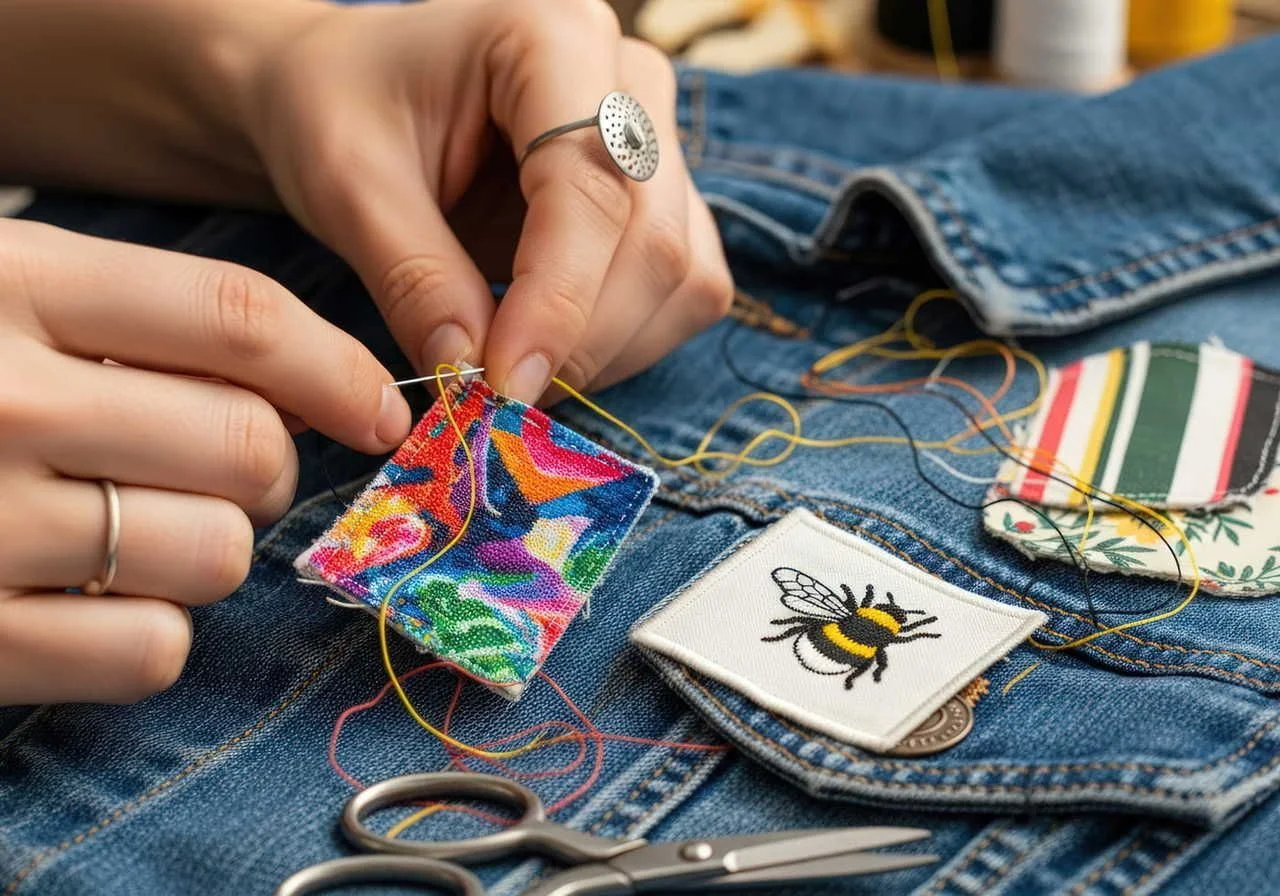
Embroidered patches are a popular way to add personality, style, and identity to clothing, bags, uniforms, and accessories. However, not every patch has the same appearance or quality. Some look professional and polished, while others appear uneven or lose their appeal after a short time. The difference often comes down to stitching, thread quality, design, and finishing. custom embroidery patches can create a premium look when these elements work together to produce a clean, durable, and attractive result.
Whether you are ordering patches for a business, clothing brand, sports team, or personal project, understanding these details can help you make a better choice. A well-made patch does more than display a logo or design. It also reflects attention to detail and gives the item a more professional appearance.
Stitching Quality Makes the Biggest Difference
Stitching is one of the first things people notice when looking at an embroidered patch. Neat, consistent stitches create a smooth surface and help the design look clear. On the other hand, loose threads, uneven stitching, and visible gaps can make even a creative design look poorly made.
High-quality embroidery requires careful control over stitch density and direction. The stitches should cover the intended areas without making the patch look bulky or messy. Fine details, such as letters, symbols, and small outlines, also need precise stitching to remain recognizable.
Before choosing a patch, examine the embroidery closely. Check whether the threads look secure and the edges of the design appear clean. These small details can help you distinguish a professionally produced patch from one with an inconsistent finish.
Thread Quality and Colour Selection Matter
Thread quality plays an important role in the final appearance of an embroidered patch. Good-quality threads can provide a consistent finish and help the design maintain its appearance with regular use. Poor-quality threads may look dull, become loose, or show signs of wear over time.
Colour selection is equally important. A premium patch should have colours that complement the design and remain easy to distinguish. For example, a business logo needs clear contrast between its background, text, and main symbol. When the colours blend together, important details may become difficult to see.
It is also helpful to consider how the thread colours match your original design. If you are creating patches for a company or team, consistent colours can support brand recognition. Requesting a digital proof or sample before production can help you check the design and make adjustments when necessary.
A Clear Design Creates a Professional Finish
Even excellent embroidery cannot fully improve a design that is too complicated for the size of the patch. Small text, crowded elements, and excessive details may become difficult to reproduce accurately with thread.
A simple, well-organized design often produces a more premium result. Clear lettering, balanced spacing, and recognizable shapes make the patch easier to understand at a glance. If your design includes a logo, focus on the elements that matter most instead of trying to include every detail.
The size of the patch should also suit its intended use. A larger patch may work well on the back of a jacket, while a smaller design may be more suitable for a cap, sleeve, or bag. Choosing the right size gives the embroidery enough space to show its details clearly.
Before placing an order, consider asking the manufacturer whether your artwork needs adjustments for embroidery. Small changes to lettering, spacing, or line thickness can make a noticeable difference in the final product.
Materials, Borders, and Backing Improve Durability
A premium patch needs more than attractive embroidery. The base material, border, and backing also influence its overall quality and usability.
The base fabric should support the stitching and suit the intended application. A patch designed for everyday clothing may need different material characteristics from one used on a work uniform or outdoor bag. Choosing suitable materials can help the patch maintain its shape and appearance.
The border is another important detail. Clean, even edges give a patch a finished appearance and help prevent the design from looking unfinished. An uneven border or loose threads around the edges can reduce its visual appeal.
Backing matters because it affects how the patch attaches to an item. Sew-on, iron-on, and hook-and-loop backings offer different benefits depending on the fabric and intended use. For items that experience frequent movement or washing, proper attachment is particularly important. The right backing should suit the garment, while following the manufacturer’s application instructions helps achieve a secure fit.
Check Quality Before Placing an Order
Taking a few minutes to review the available options can help you avoid disappointing results. Start by checking product samples or clear photographs that show the stitching, borders, and overall finish. If possible, examine a physical sample to understand the texture and thickness.
You should also review the manufacturer’s design and approval process. A digital proof gives you an opportunity to check colours, dimensions, text, and layout before production begins. Ask about available materials, backing options, expected production time, and quality checks.
Price is worth considering, but the cheapest option may not offer the finish or durability you need. Compare the overall quality, design support, and production details rather than judging a patch by price alone. Clear communication with the supplier can also help ensure that your expectations match the final product.
Conclusion
A premium embroidered patch is the result of several details working together. Consistent stitching, suitable thread, balanced colours, a clear design, quality materials, and clean borders all contribute to its appearance. The right backing and careful production also help the patch perform well in its intended setting.
By checking these features before ordering, you can make a more informed decision and choose patches that suit your needs. Whether you want to represent a business, personalize clothing, or create a design for a team, paying attention to quality can help your embroidered patches look polished and professional.