Introduction
Kerala is a destination where beaches, green hills, backwaters, wildlife, traditional villages, and distinctive food traditions come together. Whether you are planning a family vacation, a romantic escape, or a journey focused on culture and nature, the state offers plenty of ways to create a memorable holiday. However, understanding the regions, travel distances, weather, accommodation choices, and local customs before departure can make your trip much more enjoyable.
1. Understand Kerala’s Different Travel Regions
Kerala is geographically diverse, and each region offers a different atmosphere. Before booking transport or accommodation, decide which landscapes and experiences interest you most.
The southern and central parts of the state are known for backwaters, beaches, historic towns, and popular cultural attractions. The hill regions offer tea plantations, forested landscapes, waterfalls, and cooler conditions in elevated areas. Northern Kerala has its own combination of coastal towns, traditional communities, historic landmarks, and regional food culture.
Rather than attempting to explore the entire state during a short visit, select one or two regions and plan around them.
For example, a trip focused on backwaters may work well around Kumarakom and nearby areas. Travelers interested in hill scenery might consider Munnar or Wayanad, depending on their preferred route. Those looking for coastal heritage and regional traditions can explore northern districts.
The best itinerary depends on your available time, arrival point, and interests.
2. Discover Malabar in Kerala
Malabar is an important part of Kerala’s cultural and historical identity. Located in the northern part of the state, the region has long been associated with maritime trade, coastal settlements, traditional arts, diverse communities, and distinctive cuisine.
For travelers, Malabar offers more than a collection of sightseeing stops. It provides an opportunity to understand how history, geography, food, and everyday life have shaped northern Kerala.
Depending on your route, you can explore places around Kozhikode, Kannur, Kasaragod, and other northern districts. Coastal scenery, historic neighborhoods, local markets, religious landmarks, and traditional cultural performances can all contribute to the experience.
If you want to include Malabar in your itinerary, allow time for local exploration instead of moving between attractions too quickly. A conversation with a local host or guide can help you understand the significance of places you visit.
Remember that Malabar covers a broad area, so confirm distances before combining several destinations in a single day.
3. Learn About the Malabar Places in Kerala Worth Exploring
Travelers interested in regional history and coastal landscapes can build an itinerary around the many malabar place in kerala experiences available across northern Kerala.
Kozhikode is known for its historical connections with maritime trade, its food culture, and its urban coastal atmosphere. Visitors can explore local markets, sample regional dishes, and spend time around the waterfront.
Kannur offers a combination of beaches, forts, cultural traditions, and historic sites. Depending on the season, travelers may also have opportunities to learn about Theyyam, a distinctive ritual performance tradition associated with northern Kerala. Performances are tied to specific places and calendars, so check local schedules rather than assuming they will be available throughout the year.
Kasaragod provides opportunities to explore coastal scenery, historic structures, and the region’s cultural diversity. Visitors can include Bekal Fort in their plans and combine sightseeing with time along the coast.
When selecting places to visit, consider your travel pace and the distance between them. A focused itinerary is usually more enjoyable than trying to cover every major attraction in one trip.
4. Choose Accommodation That Matches Your Holiday
Accommodation affects how comfortably you can explore Kerala. A property near your main attractions may save travel time, while a countryside or coastal stay can provide a quieter atmosphere.
Think about what matters most to you. Families may need spacious rooms, convenient meals, parking, and easy access to transport. Couples may prefer a peaceful setting with outdoor seating. Nature lovers may prioritize greenery, views, and proximity to walking routes.
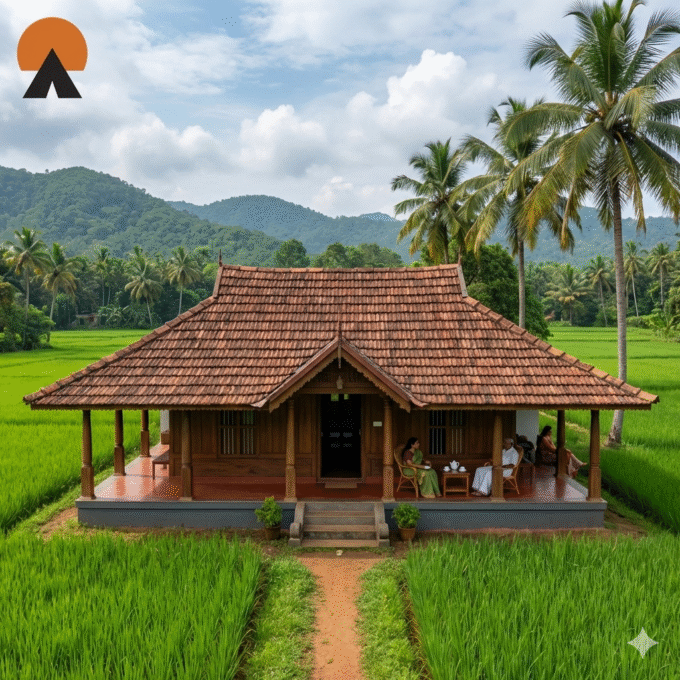
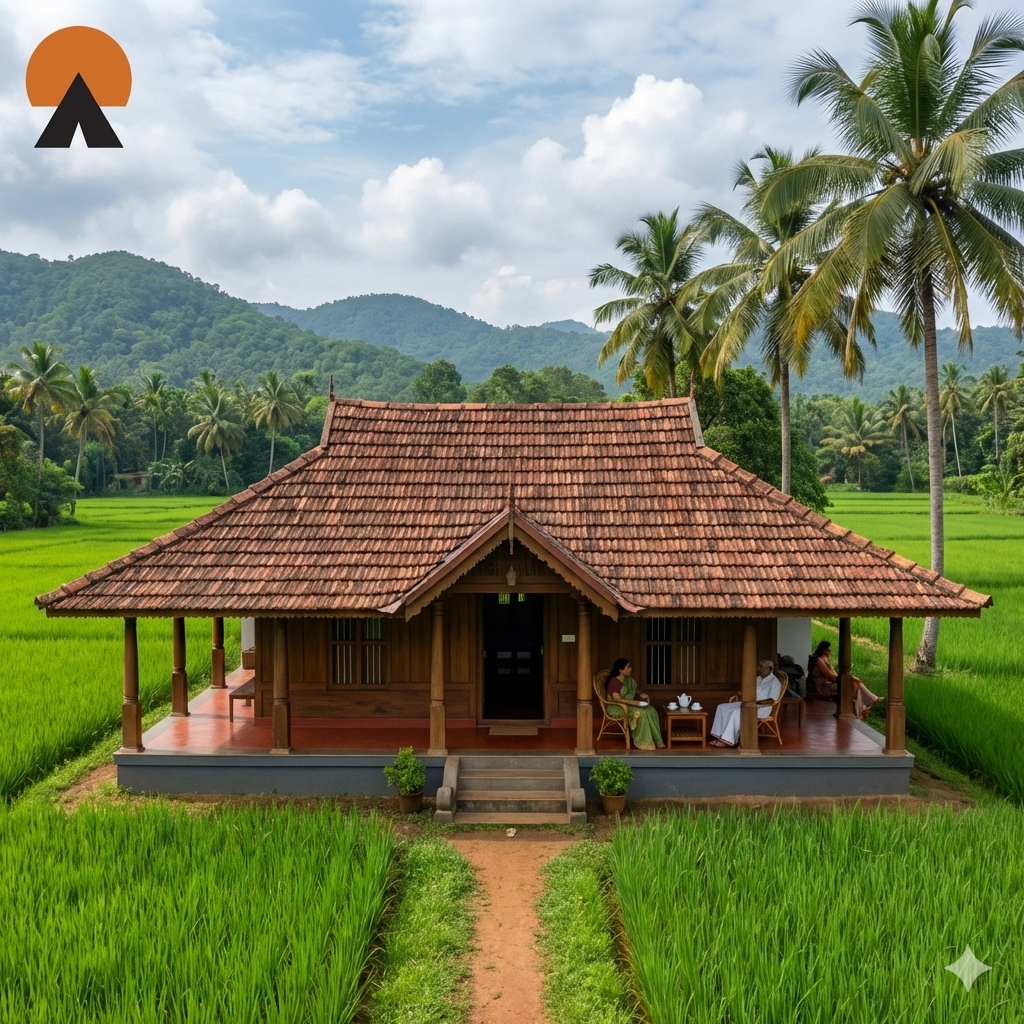
A homestay can be a useful option for travelers interested in local hospitality and regional food. Depending on the property, hosts may share recommendations about nearby attractions, local markets, and cultural experiences.
Before booking, check recent guest reviews, room facilities, the exact location, meal arrangements, and cancellation conditions. Do not assume that every property described as a homestay provides the same amenities or level of host interaction.
For a broader selection of accommodation options, explore Raahghar’s Kerala stays and compare properties according to your travel plans.
5. Experience Kerala Malabar Through Local Food
Food is one of the most rewarding ways to understand northern Kerala. The cuisine associated with Kerala Malabar reflects the region’s agricultural traditions, coastal environment, historical trade links, and diverse communities.
Depending on where you travel, you may encounter dishes featuring rice, coconut, seafood, spices, and locally available ingredients. Malabar is also known for biryani traditions, snacks, layered breads, and a variety of sweet preparations.
Kozhikode is particularly associated with its food culture, including biryani and local sweets. Other towns and communities across northern Kerala have their own specialties, so asking local residents for recommendations can lead to interesting discoveries.
If you are staying at a homestay, ask whether home-cooked meals are available and which regional dishes can be prepared. Confirm meal timings, additional costs, and dietary requirements in advance.
Travelers who prefer vegetarian food or have allergies should communicate their needs clearly before ordering meals.
6. Plan Around Kerala’s Weather
Kerala has a tropical climate, but weather conditions vary by region and season. Coastal areas are generally warm and humid, while elevated destinations can be cooler. Rainfall can also affect road travel, sightseeing, and outdoor activities.
The drier months are often convenient for general sightseeing, although temperatures and conditions differ between destinations. The monsoon brings substantial rainfall and lush scenery, but heavy showers may disrupt travel plans or restrict access to certain locations.
Before choosing your dates, consider the activities you want to enjoy. Beach visits, trekking, wildlife excursions, and hill-station travel can each be affected differently by the weather.
Check the forecast shortly before departure and confirm any local advisories. If you plan to visit waterfalls, forests, or mountainous areas during rainy periods, follow safety instructions and avoid restricted routes.
Packing lightweight clothing, comfortable walking shoes, sun protection, and rain gear can help you prepare for changing conditions.
7. Decide How Many Days You Need
The length of your trip should determine how much of Kerala you attempt to explore.
A two- or three-day holiday is usually better suited to one main region. You might focus on the backwaters, a coastal area, a hill destination, or a few nearby cultural attractions.
A five- to seven-day itinerary offers more flexibility. You could combine two destinations with different landscapes, such as a hill region and a coastal town, provided the travel times are manageable.
For a longer holiday, you can explore several parts of the state while allowing time for local experiences and rest.
Avoid underestimating travel distances. Roads may be winding in hilly areas, and traffic can slow journeys through towns. Plan realistic travel times and avoid scheduling several distant attractions on the same day.
A balanced itinerary gives you time to enjoy the destination rather than spending most of your holiday in transit.
8. Understand Local Transport Options
Transportation planning can make a significant difference to your Kerala experience.
Trains and buses connect many towns, while taxis and rental vehicles can provide greater flexibility for reaching countryside properties and attractions. The most suitable option depends on your route, group size, budget, and preferred level of convenience.
If you are traveling by public transport, check schedules and the distance between stations and your accommodation. For remote stays, arrange onward transport before arrival rather than assuming a taxi will be immediately available.
If you plan to drive, consider road conditions, parking, and the time needed to reach attractions. In hill regions, allow additional time for winding roads and changing weather.
For a short holiday, staying close to your main activities may be more practical than choosing a remote property that requires long daily journeys.
9. Explore Local Culture Respectfully
Kerala has a rich cultural landscape shaped by different communities, religious traditions, performing arts, architecture, and regional histories.
Visitors may encounter temples, churches, mosques, historic homes, traditional markets, and cultural performances. Each offers a different perspective on local life.
When visiting religious or heritage sites, follow posted rules and local guidance. Dress appropriately where required, ask before taking photographs, and respect private spaces.
Cultural performances may take place only at certain times or during particular festivals. If you want to attend a specific event, confirm dates and access arrangements in advance.
In villages and residential areas, remember that daily life continues beyond the tourist experience. Avoid entering private property without permission and be considerate when photographing residents.
Approaching local traditions with curiosity and respect can make your journey more meaningful.
10. Prepare a Realistic Travel Budget
Your Kerala holiday budget will depend on accommodation, transport, meals, activities, and the time of year.
A town-based stay may offer convenient access to restaurants and public transport, while a countryside property may require additional spending on private transfers. Premium properties and accommodation in popular destinations can also cost more during busy periods.
Before booking, estimate the major expenses:
-
Accommodation and applicable taxes
-
Travel to and within Kerala
-
Meals and refreshments
-
Entry fees and guided activities
-
Local transport and parking
-
A contingency amount for unexpected costs
Compare accommodation based on total value rather than room price alone. Check whether breakfast, parking, or other services are included and ask about additional charges before confirming.
Booking transport and accommodation in advance can be helpful during holidays and popular travel periods. However, retain some flexibility for weather changes and unexpected delays.
11. Know What to Pack for Your Trip
Packing for Kerala is easier when you consider your destination and season.
Lightweight, breathable clothing is generally useful in warm and humid coastal areas. If you are visiting elevated destinations, bring an additional layer for cooler mornings and evenings. Rain gear can be helpful during wet periods.
Consider carrying comfortable walking shoes, sunscreen, insect repellent, a reusable water bottle, and any personal medication you require. A small day bag is useful for sightseeing and short excursions.
If you plan to visit religious places, pack clothing appropriate for local requirements. Travelers planning outdoor activities should also check whether specialized footwear or equipment is recommended.
Avoid overpacking, particularly if your itinerary includes multiple destinations. Keeping your luggage manageable makes transfers between towns and accommodation easier.
12. Make Room for Slow Travel
One of the best ways to enjoy Kerala is to leave some time unplanned.
Instead of spending every day visiting a long list of attractions, allow yourself to enjoy a local breakfast, explore a market, walk through a neighborhood, or relax at your accommodation.
Slow travel is particularly rewarding in destinations where the landscape and local culture are central to the experience. A quiet morning near the backwaters, an evening walk along the coast, or a conversation about regional food can become a memorable part of the holiday.
If you are exploring Malabar, consider spending time in one town before moving to the next. This can help you appreciate local traditions and discover details that a rushed itinerary might miss.
A flexible schedule also makes it easier to adapt to weather, transport delays, or changes in attraction opening hours.
A Sample Five-Day Kerala Itinerary
If you have five days available, choose destinations that fit together geographically rather than attempting to cover the entire state.
Day 1: Arrival and local exploration
Arrive at your chosen base, settle into your accommodation, and explore nearby markets or cultural attractions.
Day 2: Nature or backwater experience
Spend the day enjoying a suitable local experience, such as a backwater outing, countryside walk, or visit to a nearby natural attraction.
Day 3: Cultural exploration
Visit a historic site, local market, heritage area, or cultural attraction. If you are traveling in Malabar, consider exploring a destination such as Kozhikode or Kannur, depending on your route.
Day 4: Regional food and relaxed sightseeing
Try local cuisine and visit a few nearby places without rushing. Ask your host or a local guide for recommendations.
Day 5: Leisure and departure
Enjoy breakfast, take a short walk, and leave enough time to reach your departure point.
This is a flexible example rather than a fixed route. Your final itinerary should account for arrival and departure locations, transport connections, weather, and the destinations you most want to experience.
Common Planning Mistakes to Avoid
Even a well-planned holiday can become tiring if practical details are overlooked. Keep these points in mind:
- Trying to cover too much: Focus on a manageable number of destinations.
- Ignoring travel time: Check realistic journey times, especially for hill routes.
- Booking without checking facilities: Confirm meals, parking, Wi-Fi, and room arrangements.
- Overlooking seasonal conditions: Weather can affect outdoor activities and road access.
- Assuming every attraction is open: Verify opening hours and event schedules before visiting.
- Leaving transport until the last minute: Arrange transfers for remote properties in advance.
A little preparation can reduce unnecessary stress and give you more time to enjoy the journey.
Conclusion
Planning a Kerala holiday becomes easier when you understand the state’s regional diversity, seasonal conditions, transport options, and accommodation choices. From backwaters and hill landscapes to the coastal heritage and food traditions of Malabar, the state offers a wide range of experiences for different types of travelers.
Choose destinations that match your interests, allow enough time to explore each area, and check practical details before booking. Whether you prefer nature, cultural attractions, regional cuisine, or a relaxed countryside stay, a thoughtful itinerary can help you experience Kerala at your own pace.
For travelers looking for accommodation options and inspiration for exploring the state, Raahghar can be a useful starting point for planning a comfortable and memorable trip.
Frequently Asked Questions
1. What should travelers consider before planning a holiday in Kerala?
Consider the season, destinations, travel time, accommodation, transport options, budget, and activities you want to enjoy. Check local weather and attraction schedules before finalizing your itinerary.
2. What makes Malabar in Kerala worth visiting?
Malabar offers a combination of coastal scenery, historic sites, regional cuisine, cultural traditions, and local markets. It can be especially appealing to travelers interested in northern Kerala’s heritage and everyday life.
3. Which Malabar places in Kerala can travelers explore?
Depending on your itinerary, you can consider Kozhikode, Kannur, Kasaragod, and nearby coastal or cultural destinations. Choose places according to your interests and confirm travel distances before planning day trips.
4. What does Kerala Malabar offer food lovers?
Northern Kerala is known for regional food traditions that include biryani, seafood, rice-based dishes, coconut preparations, snacks, and sweets. Available dishes vary by location and household.
5. How many days are enough for a Kerala holiday?
Two or three days may be enough for one region, while five to seven days allow a more varied itinerary. Longer trips provide more time to explore different landscapes without rushing between destinations.