A semen analysis test is one of the most important investigations used to evaluate male reproductive health and fertility. It provides valuable information about sperm count, sperm movement, sperm shape, and other characteristics of semen that may influence a man’s ability to conceive naturally. However, the results can vary depending on several factors, including lifestyle habits, recent illness, sample collection methods, and the time between sample collection and laboratory examination.
Understanding what affects your Semen Analysis Test in Dubai results can help you prepare properly, avoid common testing mistakes, and interpret your findings more confidently. Although an abnormal result does not automatically mean infertility, knowing the factors behind the numbers can help you and your healthcare provider decide whether further evaluation or repeat testing is necessary.
Understanding What a Semen Analysis Test Measures:
A semen analysis test examines a semen sample to assess important indicators of male fertility. It is commonly recommended when a couple experiences difficulty conceiving, when a doctor wants to investigate reproductive health, or when sperm production needs to be evaluated.
The main parameters measured during a semen analysis include:
-
Sperm concentration: The number of sperm present in a specific volume of semen.
-
Total sperm count: The overall number of sperm in the entire ejaculate.
-
Sperm motility: The ability of sperm to move, particularly in a forward direction.
-
Sperm morphology: The size and shape of sperm, including the appearance of their heads, midpieces, and tails.
-
Semen volume: The amount of fluid released during ejaculation.
-
Semen pH: A measurement that helps assess the chemical characteristics of semen.
-
Sperm vitality: The percentage of living sperm in the sample.
These measurements provide a broader picture of male reproductive health. However, semen quality is not fixed, and individual results may change over time. Several biological, environmental, and practical factors can influence the findings.
The 9 Key Factors That Can Influence Your Results:
1. Abstinence Period Before Sample Collection
The length of time between ejaculations is an important factor affecting semen analysis results. A short abstinence period may reduce semen volume and total sperm count, while a longer period may increase these measurements.
However, longer abstinence does not necessarily mean better sperm quality. Extended periods without ejaculation may affect sperm motility and increase the proportion of sperm showing DNA damage in some circumstances.
For reliable results, follow the laboratory’s instructions regarding sexual abstinence. A period of two to seven days is commonly recommended, although the appropriate interval may depend on the laboratory’s protocol and the reason for testing.
Consistency is particularly important when comparing results from two different semen analysis tests.
2. Lifestyle Habits and Daily Routines
Everyday habits can influence sperm production, hormone balance, and overall reproductive health. Smoking, excessive alcohol consumption, recreational drug use, and a sedentary lifestyle have all been associated with poorer sperm parameters in some studies.
Smoking may affect sperm concentration, movement, and genetic integrity. Heavy alcohol consumption can interfere with reproductive hormones and testicular function. The use of anabolic steroids or testosterone supplements can suppress the body’s natural sperm production, sometimes substantially.
Maintaining a healthy weight, exercising regularly, getting sufficient sleep, and following a balanced diet may support better reproductive health.
Lifestyle improvements do not guarantee a normal semen analysis, but they can address several potentially modifiable contributors to poor semen quality.
3. Recent Fever or Illness
A recent illness, particularly one accompanied by a high fever, can temporarily affect sperm production and quality. Sperm development takes approximately 74 days, followed by additional maturation and transport time. Consequently, the effects of a fever may not appear immediately.
A significant fever can lead to temporary reductions in sperm concentration, motility, and normal sperm morphology. These changes may persist for several weeks or months, depending on the severity of the illness and individual recovery.
If you have recently experienced a high fever, a severe infection, or another significant illness, inform your doctor before interpreting your semen analysis results. Your healthcare provider may recommend repeating the test after an appropriate interval.
4. Stress, Sleep, and Hormonal Balance
Chronic stress and inadequate sleep can affect general health and may influence reproductive hormones. Hormones such as testosterone, follicle-stimulating hormone, and luteinizing hormone play important roles in sperm production.
Although everyday stress does not necessarily cause abnormal semen parameters, prolonged psychological stress may be associated with changes in reproductive function and sexual health.
Poor sleep quality can also contribute to hormonal disturbances, particularly when sleep deprivation is persistent.
Developing a consistent sleep schedule, managing stress, and maintaining a balanced routine may support reproductive well-being. If you have concerns about low testosterone or other hormonal problems, discuss them with a healthcare professional rather than relying on semen analysis alone.
5. Diet, Nutrition, and Body Weight
Nutritional status can influence sperm production, antioxidant protection, and reproductive function. A balanced diet provides essential nutrients that support normal cellular activity and sperm development.
Nutrients such as zinc, selenium, folate, vitamin C, and vitamin E contribute to various processes involved in reproductive health. However, taking high doses of supplements does not automatically improve sperm quality, and evidence for many fertility supplements remains mixed.
Being significantly overweight or underweight may also affect reproductive hormones and sperm parameters. Excess body fat can contribute to hormonal changes, inflammation, and metabolic problems that may negatively influence male fertility.
A nutritious diet that includes vegetables, fruits, whole grains, healthy fats, and adequate protein can help support overall health. If you are considering fertility supplements, seek medical advice before starting them.
6. Medications and Medical Conditions
Certain medications and underlying health conditions can affect Semen Analysis Test quality. These factors are particularly important when investigating an unexpectedly low sperm count or reduced sperm motility.
Medications that may influence male reproductive function include testosterone therapy, anabolic steroids, some cancer treatments, and certain other prescription medicines. The effects depend on the medication, dosage, and duration of use.
Medical conditions associated with changes in semen parameters include:
-
Varicocele, which involves enlarged veins around the testicles.
-
Hormonal disorders affecting testosterone or other reproductive hormones.
-
Diabetes and certain metabolic conditions.
-
Infections involving the reproductive tract.
-
Conditions that obstruct the transport of sperm.
Do not stop prescribed medication without consulting your doctor. A medical review can help determine whether a medication, health condition, or combination of factors may explain an abnormal semen analysis result.
7. Sample Collection and Handling Errors
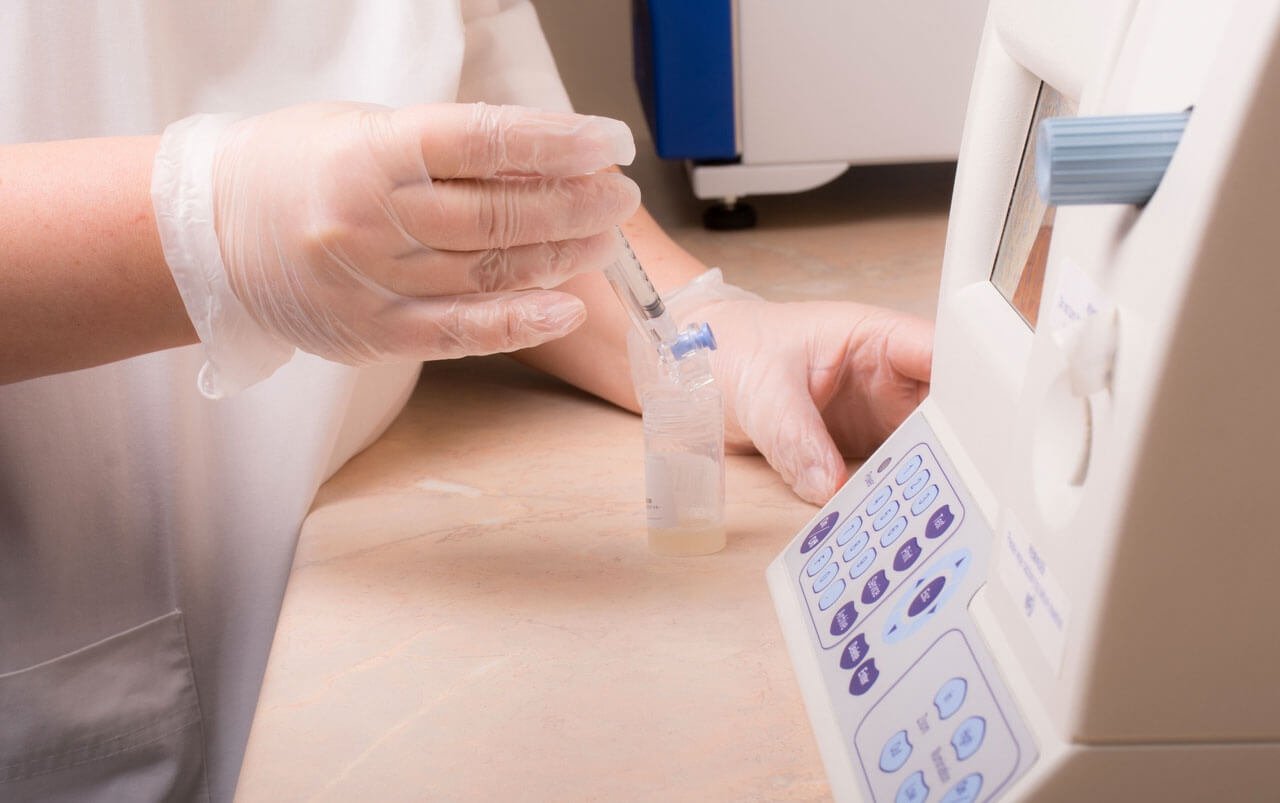
The accuracy of a semen analysis test depends partly on collecting and handling the sample correctly. Even when sperm production is normal, an improperly collected specimen may produce misleading findings.
For the most reliable results, follow the laboratory’s collection instructions carefully. Important considerations include:
-
Collect the entire ejaculate in the approved sterile container.
-
Avoid using ordinary lubricants or saliva, which may interfere with sperm assessment.
-
Do not use a regular condom unless the laboratory specifically provides an approved collection condom.
-
Report any loss of part of the sample, especially the initial portion.
-
Deliver the specimen within the laboratory’s specified time frame.
The initial portion of the ejaculate often contains a substantial proportion of the sperm. Missing this portion can lead to an artificially low sperm count.
Incorrect storage temperatures or excessive delays before examination may also affect sperm motility and other measurements. If collection difficulties occur, inform the laboratory so the results can be interpreted appropriately.
8. Environmental Heat and Exposure to Toxins
Sperm production is sensitive to temperature. The testicles normally remain slightly cooler than the body’s internal temperature, which helps support sperm development.
Frequent exposure to excessive heat, including prolonged hot tub use, may temporarily affect sperm production in some individuals. Occupational exposure to certain chemicals, pesticides, heavy metals, and other reproductive toxins may also influence semen quality.
The extent of these effects varies according to exposure intensity, duration, and individual susceptibility.
If your work involves industrial chemicals, pesticides, or high-temperature environments, discuss appropriate protective measures with your healthcare provider. Avoid assuming that a single exposure necessarily causes infertility, as the relationship depends on several factors.
9. Natural Variation and Laboratory Differences
Semen analysis results can vary even when a person follows the same preparation routine. Sperm production occurs continuously, and biological fluctuations may affect sperm concentration, motility, and semen volume.
Different laboratories may also use different equipment, examination procedures, and reporting formats. Although standardized methods help improve consistency, minor differences in results can occur.
For this reason, one abnormal semen analysis test should not always be considered conclusive evidence of infertility.
When a result falls outside the laboratory’s reference range, a doctor may recommend a repeat test. Using the same laboratory and maintaining a similar abstinence period can make comparisons more meaningful.
How Can You Improve the Reliability of Your Semen Analysis Results?
Preparing properly can help reduce avoidable variations and make your test results more useful.
Before your appointment, confirm the recommended abstinence period and collection procedure with the laboratory. Tell your healthcare provider about recent illnesses, medications, supplements, and relevant lifestyle habits.
Avoid making sudden changes solely to influence the test result. Instead, focus on following the instructions and providing an accurate account of your health.
If you are investigating fertility concerns, remember that sperm production changes gradually. Improvements following lifestyle changes may take several months to become apparent, and individual outcomes vary.
When Should You Repeat a Semen Analysis Test?
A repeat semen analysis may be appropriate when the first result is abnormal, the sample was incomplete, or recent illness could have affected sperm production.
Your doctor may also recommend repeat testing when the results do not match your medical history or when a more reliable assessment of sperm count and motility is needed.
The timing depends on the initial findings and the clinical reason for testing. A repeat test may be arranged after a relatively short interval to confirm an unexpected result, while reassessment after approximately three months may be useful when evaluating changes in sperm production.
Do not delay medical evaluation if you have persistent fertility concerns or symptoms such as testicular pain, swelling, or a noticeable change in reproductive function.
Frequently Asked Questions:
Can stress affect semen analysis test results?
Chronic stress may be associated with changes in reproductive hormones and sperm quality. However, stress alone does not necessarily cause an abnormal result.
Does frequent ejaculation lower sperm count?
Frequent ejaculation can temporarily reduce semen volume and sperm count per ejaculate. These measurements may increase after a longer abstinence period, which is why consistent preparation matters.
Can a fever cause a low sperm count?
Yes. A significant fever can temporarily affect sperm production and may reduce sperm concentration, motility, or normal morphology for several weeks or months.
Does an abnormal semen analysis mean infertility?
No. An abnormal result does not automatically mean that natural conception is impossible. Fertility depends on several factors, and your doctor may recommend repeat testing or additional investigations.
Conclusion:
Several factors can affect your semen analysis Lab tests results, including abstinence duration, lifestyle habits, recent illness, nutrition, medications, environmental exposures, and sample collection procedures. Natural biological variation and differences in laboratory methods can also influence the findings.
Following the recommended preparation instructions, providing a complete sample, and informing your doctor about relevant health factors can help improve the reliability of your results.
Most importantly, interpret your semen analysis in the context of your overall reproductive health. If your findings are abnormal, a healthcare professional can help identify possible causes, determine whether repeat testing is necessary, and recommend appropriate next steps.