Facial features contribute to each person’s unique appearance, and small skin details can sometimes influence how someone feels about their look. Moles are common skin growths that may appear on the cheeks, forehead, chin, nose, or around the lips. While many people appreciate their moles as natural features, others may prefer to remove a particular mole because of its size, position, or effect on their facial appearance.
Professional mole removal offers different options for selected skin growths. The appropriate approach depends on the mole’s characteristics, medical assessment, and individual preferences. For people considering Mole removal treatment in Islamabad, understanding the available techniques, potential results, and recovery process can help them make informed decisions about their skin.
Understanding Mole Removal for Facial Aesthetics
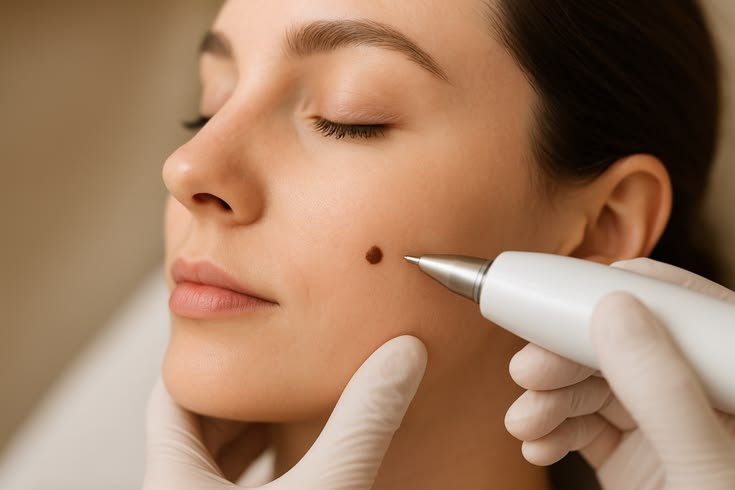
Mole removal is a medical procedure used to remove selected skin growths. On the face, a mole may be flat, raised, small, or relatively prominent. Its location and depth influence the method that may be appropriate.
Some people consider removal because a mole attracts attention or creates a texture difference on the skin. Others experience irritation when shaving or applying skincare products around a raised mole. In certain cases, a mole may require medical investigation because of changes in its appearance.
Not every mole needs removal, and facial treatment requires careful planning. Because facial skin is visible and may be sensitive to scarring or pigment changes, a qualified dermatologist or appropriately trained medical professional should assess the mole before recommending a procedure.
How Mole Removal May Enhance Facial Appearance
A prominent mole can draw attention to a particular part of the face. Removing a suitable mole may help create a more even-looking area of skin or reduce a raised feature that a patient finds distracting.
For some individuals, addressing a mole can also make everyday grooming more comfortable. A mole near the beard line, for example, may be repeatedly irritated during shaving.
However, facial aesthetics are personal, and natural features do not automatically require treatment. A successful consultation should focus on the patient’s concerns, skin health, and realistic expectations. Mole removal may leave a small scar or colour change, so the potential benefits should always be weighed against the possible outcomes.
Professional Mole Removal Techniques
The most appropriate technique depends on the mole’s size, depth, location, and whether tissue examination is necessary.
Surgical Excision
Surgical excision involves removing the mole with a medical instrument. Local anaesthetic is commonly used to reduce discomfort, and stitches may be required depending on the depth and size of the wound.
This method may be appropriate when complete removal or laboratory examination is needed. If the mole appears suspicious, the removed tissue may be sent for histopathological analysis.
Although excision can effectively remove selected moles, it can leave a scar. On the face, the clinician should explain the expected healing process and discuss how the incision may affect the final appearance.
Shave Removal
Shave removal may be suitable for certain raised moles after a professional assessment. A sterile instrument is used to remove the growth close to the skin’s surface.
Stitches are often unnecessary, but the area still requires careful wound care. Some moles may return after this procedure, and shave removal may not be suitable when a deeper tissue sample is needed for diagnosis.
Laser Treatment
Laser treatment may be considered for selected pigmented lesions after appropriate medical assessment. It is not suitable for every mole, particularly when the diagnosis is uncertain.
Laser treatment can destroy tissue needed for laboratory testing. Therefore, suspicious moles should be evaluated before cosmetic treatment, and another removal method may be recommended when tissue analysis is necessary.
The Importance of a Facial Skin Consultation
A consultation helps the clinician understand the patient’s goals and assess the mole carefully. They may ask when it first appeared, whether it has changed, and whether it causes discomfort, itching, or bleeding.
The professional examines the mole and may use a dermatoscope for a closer assessment. If the mole has changed in size, shape, or colour, has irregular borders, or bleeds, it should be medically evaluated before cosmetic removal is considered.
Patients should discuss their medical history, medications, allergies, previous skin procedures, and history of scarring. The clinician should explain the recommended technique, potential risks, expected recovery, and whether laboratory examination or follow-up is required.
Preparing for Facial Mole Removal
Preparation depends on the selected procedure and the patient’s medical circumstances. Follow the clinician’s instructions and disclose any medications or supplements you take.
Before treatment, ask whether local anaesthetic will be used, whether stitches are likely, and how to care for the area afterwards. It is also helpful to understand when makeup, shaving, and normal skincare products can safely be resumed.
Avoid attempting to remove facial moles at home using sharp objects, acids, or unverified creams. These methods may cause infection, scarring, bleeding, and delays in identifying a potentially concerning skin condition.
Recovery and Aftercare for Facial Skin
Recovery varies according to the removal method, mole depth, treatment location, and individual healing. Temporary redness, tenderness, or mild swelling may occur.
General aftercare recommendations include:
-
Keep the treated area clean and follow dressing instructions.
-
Avoid scratching, picking scabs, or rubbing the wound.
-
Use only the products recommended by your clinician.
-
Protect healed skin from excessive sun exposure.
-
Attend follow-up appointments and discuss laboratory results when applicable.
Seek medical advice if you develop worsening pain, spreading redness, pus, fever, or persistent bleeding. Careful aftercare supports healing but cannot guarantee that a scar or pigment change will not occur.
Benefits, Risks, and Realistic Expectations
Professional mole removal may help address a cosmetic concern, reduce irritation, or allow a mole to be examined medically. Individual treatment planning helps ensure the method suits the mole and the patient’s needs.
Potential risks include infection, bleeding, scarring, pigment changes, and recurrence. Facial skin may heal differently from other body areas, and the final appearance depends on several factors, including the removal technique and the individual’s healing response.
Patients should understand that removing a mole does not guarantee perfectly smooth or mark-free skin. A qualified professional can discuss likely outcomes and help establish realistic expectations before treatment.
Choosing Mole Removal Treatment in Islamabad
When considering Mole removal treatment in Islamabad, choose a qualified medical professional who examines the mole before recommending treatment. Ask about the clinician’s experience, the reasons for selecting a particular technique, possible scarring, and the need for laboratory testing.
A responsible provider should explain both the advantages and limitations of treatment. The decision should balance facial aesthetic goals with medical safety and an appropriate understanding of the likely result.
Conclusion
Mole removal can be an option for people who wish to address a prominent facial mole or need a skin growth evaluated for medical reasons. Understanding the techniques, consultation process, and aftercare requirements helps patients approach treatment with confidence and realistic expectations.
For individuals considering Mole removal treatment in Islamabad, professional assessment is the first step. A personalised plan that prioritises skin health can help guide an appropriate decision about facial mole removal.
Frequently Asked Questions
1. Can facial mole removal improve my appearance?
Removing a suitable prominent mole may help create a more even-looking area of skin. The outcome depends on the mole’s characteristics and healing, and a scar or pigment change may remain.
2. Is facial mole removal safe?
Removal can be appropriate when performed by a qualified professional after proper assessment. Possible risks include infection, bleeding, scarring, and changes in skin pigmentation.
3. How long does facial mole removal take to heal?
Healing time varies depending on the procedure, location, and individual skin response. Your clinician will provide aftercare instructions and explain when follow-up is needed.
4. How can I find Mole removal treatment in Islamabad?
Consult a qualified dermatologist or appropriately trained medical professional who can examine the mole, explain suitable removal methods, discuss risks, and recommend laboratory testing when necessary.
For more information visit Enfield royal clinic in islamabad