Choosing to change the shape of the nose is a personal decision that often begins with questions about the procedure, expected results, safety, and recovery. For individuals considering cosmetic improvements, a consultation is an important first step toward understanding the available options and determining whether treatment is appropriate for their needs.
When researching Nose Reshaping Surgery in Muscat, many people want to know what happens during the initial appointment, which questions they should ask, and how a medical professional evaluates the nose before recommending treatment. A consultation provides an opportunity to discuss aesthetic goals, review nasal anatomy, understand potential risks, and develop a treatment plan based on individual circumstances.
Whether someone is considering subtle refinements or more significant structural changes, a well-planned consultation can help establish realistic expectations. It also allows individuals to make informed decisions without feeling pressured to proceed with a procedure.
Understanding each stage of the consultation can make the experience more comfortable and help patients prepare for a productive discussion.
1. Why Is a Nose Reshaping Surgery Consultation Important?
A nose reshaping consultation is more than an introductory conversation. It is an essential part of determining whether a particular treatment can safely and realistically achieve the desired outcome.
Every nose has a unique structure. Differences in bone, cartilage, skin thickness, facial proportions, and internal anatomy influence both appearance and function. As a result, the same surgical technique may produce different outcomes in different individuals.
During the consultation, the medical professional evaluates the patient’s concerns and determines which changes may be achievable. Some people may want to smooth a prominent bridge, refine the nasal tip, improve symmetry, or adjust the width of the nose. Others may be concerned about breathing difficulties or a previous injury.
These concerns require individual assessment because cosmetic and functional goals may overlap.
A consultation also helps distinguish between changes that require surgery and those that might be addressed through other approaches. For example, injectable treatments may temporarily improve selected contour irregularities, but they cannot reduce the size of the nose or correct every structural problem.
For individuals exploring Nose Reshaping Surgery in Muscat, the appointment provides an opportunity to understand the benefits, limitations, risks, and recovery requirements associated with the recommended procedure.
Most importantly, it gives the patient time to ask questions, consider the available information, and decide whether treatment aligns with personal goals and expectations.
2. Medical History and Discussion of Personal Goals
One of the first stages of a consultation involves discussing medical history, lifestyle factors, and the reasons for considering nose reshaping.
The medical professional may ask about previous operations, nasal injuries, allergies, breathing problems, medications, and any medical conditions that could affect treatment or healing. Information about smoking or nicotine use is also important because it can influence wound healing and surgical outcomes.
Patients should provide accurate information about their health and any previous cosmetic procedures, including injectable treatments. This information helps the professional identify potential risks and determine whether additional assessment is necessary.
Discussing the Desired Nasal Shape
The consultation also focuses on what the patient hopes to achieve.
Some individuals prefer a straighter nasal bridge, while others want a more defined tip or improved balance between the nose and the rest of the face. Discussing these preferences helps clarify the intended outcome.
Reference photographs may help communicate aesthetic preferences, but they should be used as examples rather than promises of an identical result. Facial proportions, skin characteristics, cartilage strength, and other anatomical factors influence what is realistic for each person.
A responsible treatment plan considers the patient’s preferences while maintaining natural-looking proportions and preserving nasal function.
It is also important to discuss whether expectations are realistic. Significant changes may not be possible without compromising structural support, and certain features may be best left unchanged to maintain facial harmony.
The consultation should feel like a collaborative discussion. Patients should have enough time to explain their concerns, understand the professional’s recommendations, and consider whether the proposed outcome matches their priorities.
3. Nasal Examination and Assessment of Facial Proportions
A physical examination is an important part of planning nose reshaping surgery. It helps the medical professional understand the existing nasal structure and identify factors that could influence the procedure.
The examination may involve assessing the nose from the front, side, and other angles. Attention may be given to the nasal bridge, tip, nostrils, width, symmetry, and relationship between the nose, chin, forehead, and other facial features.
The thickness and quality of the skin may also be considered. Thicker skin can influence how clearly underlying structural changes become visible, while thinner skin may reveal small irregularities more readily.
Evaluating Nasal Structure and Breathing
A cosmetic assessment may be accompanied by an evaluation of nasal function, particularly when the patient reports congestion, restricted airflow, or a history of nasal injury.
Depending on the symptoms and examination findings, the professional may assess the nasal passages or recommend additional evaluation by an appropriately qualified specialist.
A deviated septum, enlarged internal structures, or other anatomical concerns may contribute to breathing difficulties. These issues require separate consideration because cosmetic changes alone do not necessarily improve airflow.
Photographs may be taken to document the initial appearance and support treatment planning. In some settings, digital simulations may also be used to illustrate possible aesthetic changes. However, simulations are illustrative tools, not guarantees of the final result.
The examination helps establish which changes may be technically possible, which limitations should be considered, and whether additional functional treatment may be appropriate.
4. Understanding Treatment Options, Benefits, and Potential Risks
After reviewing the patient’s goals and nasal anatomy, the medical professional can explain the most appropriate treatment options.
Surgical rhinoplasty involves modifying bone, cartilage, or other nasal structures to achieve the intended changes. Depending on the individual’s needs, surgery may address the bridge, tip, width, asymmetry, or selected functional concerns.
The exact technique depends on the complexity of the case and the changes required. Some procedures involve incisions inside the nose, while others may also require a small incision across the tissue between the nostrils. The appropriate approach is determined during treatment planning.
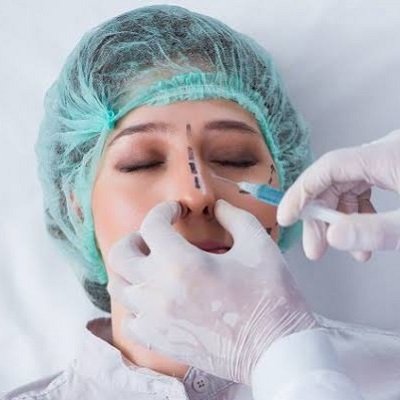
Non-surgical nose reshaping may be discussed when the concern involves selected contour irregularities that can be improved by adding volume. However, injectable fillers cannot remove bone or cartilage, substantially reduce nasal size, or reliably correct internal structural problems.
Discussing Surgical Risks
A thorough consultation includes an honest discussion of potential complications. These may include bleeding, infection, anaesthesia-related complications, scarring, persistent swelling, changes in sensation, breathing difficulties, asymmetry, dissatisfaction with the result, or the possibility of revision surgery.
The risks vary depending on the individual’s health, anatomy, and the type of procedure performed.
Patients should also understand that healing takes time. Swelling can obscure the early result, and subtle changes may continue for many months. The final appearance may take a year or longer to become fully apparent.
Non-surgical treatments have their own risks. Nasal filler injections can cause vascular blockage, tissue injury, and, rarely, vision loss. They should not be treated as automatically safer simply because they do not involve surgery.
For anyone considering Nose Reshaping Surgery in Muscat, the goal of this discussion is to provide a balanced understanding of expected benefits and potential complications. A trustworthy consultation should address both rather than focusing only on the anticipated cosmetic improvement.
5. Treatment Planning, Preparation, and Recovery Expectations
Once the examination and discussion are complete, the next stage involves developing a personalized treatment plan.
The plan should explain the recommended procedure, the intended changes, important limitations, and any additional assessments needed before treatment. It should also outline preparation requirements and the expected recovery process.
Preparing for the Procedure
Depending on the patient’s health and the planned surgery, preparation may include a medical assessment, review of medications, and instructions regarding smoking or nicotine use.
Certain medications and supplements can affect bleeding or healing. Patients should provide a complete list of what they take and follow individualized medical advice rather than stopping prescribed medication independently.
If general anaesthesia is planned, specific fasting instructions may be necessary. Patients should also arrange transportation and assistance at home when required, especially during the early recovery period.
The consultation is the right time to ask whether time away from work, study, exercise, or social activities will be needed.
What to Expect During Recovery
Recovery depends on the type of procedure and the extent of the changes made.
After surgical rhinoplasty, temporary swelling, bruising, congestion, and discomfort may occur. A splint may be used to support the nose during early healing. Patients generally need to avoid strenuous exercise and activities that could injure the nose until cleared by their medical professional.
Follow-up appointments allow the healing process to be monitored and any concerns to be addressed.
Patients should not judge the final outcome too early. Swelling often improves gradually, and changes around the nasal tip may take longer to settle.
The treatment plan should also explain which symptoms are expected and which require urgent attention. Heavy bleeding, fever with worsening symptoms, severe pain, or significant breathing difficulties warrant prompt medical advice. Any sudden visual disturbance after a nasal filler procedure requires emergency assessment.
Clear preparation and recovery instructions help patients know what to expect and reduce avoidable uncertainty throughout the treatment journey.
6. Questions to Ask During a Nose Reshaping Consultation
A consultation is an opportunity to gather information and evaluate whether the proposed treatment is suitable. Preparing questions beforehand can help patients make the most of the appointment.
Useful questions include:
-
What changes are realistically achievable with the recommended procedure?
-
Will the treatment address cosmetic concerns, breathing problems, or both?
-
Which surgical technique or non-surgical approach is being recommended, and why?
-
What are the most relevant risks for the individual’s medical history and nasal anatomy?
-
How long will the initial recovery take, and when can normal activities resume?
-
How long might the results last, and could additional treatment be needed?
-
What follow-up care will be provided?
-
What happens if the result differs from expectations or a complication occurs?
-
What professional qualifications, licensing, and experience does the treating professional have?
It is also reasonable to ask about the overall treatment costs, what is included, and whether follow-up visits or additional procedures may involve separate expenses. Specific financial details should be explained directly during the consultation.
Patients should feel comfortable asking for clarification if any part of the proposed plan is unclear. They may also request time to review the information or seek another qualified opinion before making a decision.
A consultation should support informed consent, not create pressure to book surgery immediately. Taking time to consider the benefits, limitations, and alternatives is a normal part of responsible decision-making.
Frequently Asked Questions
1. How long does a nose reshaping surgery consultation take?
The duration varies depending on the complexity of the patient’s concerns, medical history, and the examination required. Some appointments are relatively brief, while others take longer when breathing issues, previous surgery, or multiple treatment options need to be discussed.
2. Should a patient prepare anything before the consultation?
It can be helpful to prepare a list of aesthetic concerns, medical conditions, current medications, allergies, and previous nasal treatments. Reference photographs may also help communicate preferences, although they cannot guarantee the same outcome.
3. Is a nose examination necessary before rhinoplasty?
Yes. Examining the nose helps the medical professional assess its structure, skin characteristics, symmetry, and, when appropriate, breathing function. This information supports safer and more realistic treatment planning.
4. Can the final surgical result be guaranteed during the consultation?
No. A consultation can establish realistic goals and explain likely outcomes, but no medical professional can guarantee a precise cosmetic result. Healing, anatomy, skin characteristics, and individual responses can influence the final appearance.
5. Can a patient discuss non-surgical options during the consultation?
Yes. Patients can ask whether injectable fillers or other non-surgical methods could address their concerns. The professional should explain the limitations and risks of these alternatives, including the serious vascular complications associated with nasal fillers.
6. How can someone prepare for Nose Reshaping Surgery in Muscat?
Preparation begins with a consultation with an appropriately licensed and qualified medical professional. Patients should discuss their goals, provide accurate medical information, understand the proposed procedure and its risks, and follow the individualized instructions provided before treatment.
Final Thoughts
A nose reshaping consultation provides the foundation for an informed and personalized treatment decision. By discussing aesthetic goals, reviewing medical history, examining nasal anatomy, and understanding the available options, patients can develop realistic expectations before committing to a procedure.
For individuals researching Nose Reshaping Surgery in Muscat, the consultation should offer clear information about treatment suitability, potential benefits, risks, preparation, and recovery. It should also provide an opportunity to ask questions without feeling rushed or pressured.
The most appropriate treatment is not necessarily the one that promises the most dramatic change. It is the one that considers individual anatomy, personal preferences, nasal function, and overall safety. With careful assessment and open communication, patients can make decisions that are better informed and aligned with their long-term goals.
Read More About Nose Reshaping Surgery: https://linkmate.mn.co/posts/nose-reshaping-surgery-for-a-wide-nose-available-options